Recent weeks have seen a significant escalation of military tensions in and around the Baltics. Lithuania, Latvia and Estonia, all NATO members, now experience regular incursions into their airspace by Ukrainian drones. According to both Kyiv and the Baltic capitals, those drones, en route to hit targets in western Russia, get diverted by Russian electronic jamming and end up entering these countries’ territories.
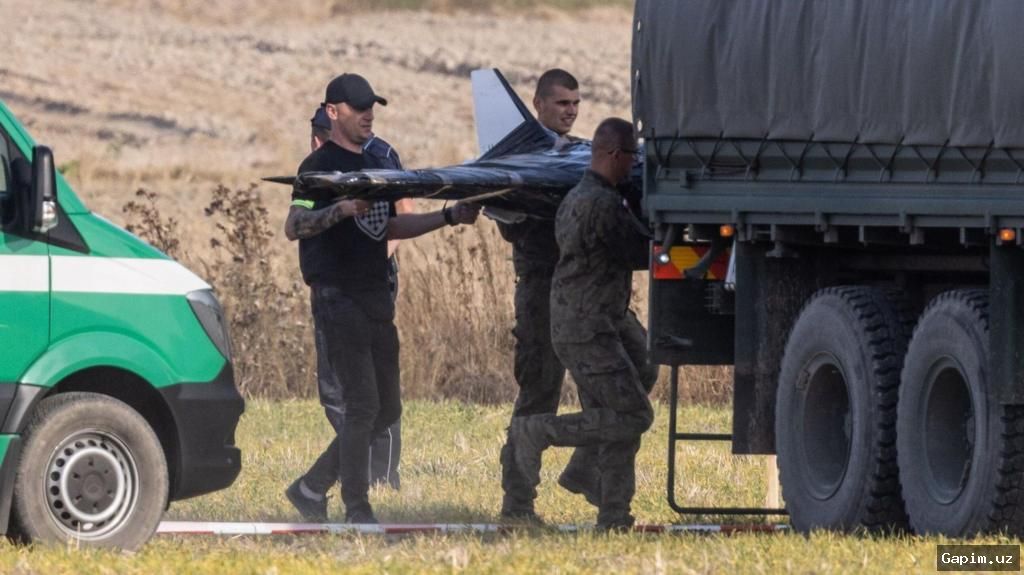
In early May, several stray unmanned aircraft crashed in Latvia, one of them damaging an oil storage facility. Those developments triggered a political crisis in Latvia and led to the collapse of its government. Last week, a drone was shot down over Estonia, and another drone sighting forced Lithuania to suspend train and air traffic temporarily.
Days later, the Russian Foreign Intelligence Service (SVR) and Russia’s representative to the United Nations issued menacing warnings, accusing Baltic states of having greenlit air corridors for Ukrainian unmanned aircraft to attack infrastructure targets in Russia and even hosting Ukrainian drone operators.
The growing tensions in the region are raising the risk of miscalculation. This is why the Baltics urgently need de-escalation mechanisms and communication channels. The increasing frequency of drone incidents and Russia’s latest direct military warnings indicate two highly dangerous developments.
First, the long-feared horizontal escalation of the Russian-Ukrainian war is already happening. The recent events marked the first time in many decades that air raid sirens have gone off in NATO member states. Even though Moscow and NATO’s Baltic and Nordic capitals have so far stayed out of a direct collision, its prospects appear imminent unless tensions de-escalate in the coming weeks.
Second, this is not just a temporary outbreak of instability but rather the new normal in Eastern European security. Neither side can control these action-reaction dynamics unilaterally, and therefore, the region’s new normal appears fraught with excessive risks of miscalculation and intended or unintended escalation.
In response, regional actors seem to offer only more of the same – increasingly hawkish posturing and doubling down on deterrence, including by nuclear means. While Moscow promises retaliation against decision-making centers in the Baltic countries, Lithuanian Foreign Minister Kestutis Budrys stated that NATO must show Russia it can break through their fortress in Kaliningrad.
To avert drifting into a major war, the Baltics and Eastern Europe urgently need a subregional mechanism for military risk reduction that can maintain de-escalation communication channels with Moscow. This mechanism must be fully depoliticized and managed exclusively by the military. A properly negotiated security arrangement involving NATO and Russia appears unfeasible at this point, so an interim de facto military-to-military communication and coordination mechanism could be established involving Lithuania, Latvia, Estonia, Poland, and Belarus.
While Belarus’s NATO neighbors stopped implementing bilateral confidence-building agreements in late 2020, they have not withdrawn from them and can easily revive their application. Initial moves have already been made: the Belarusian military used respective communication channels to pass information about incoming third-country drones to their colleagues in Poland and the Baltic states, which was publicly acknowledged as useful. Now they can simply start reciprocating by also sharing similar information with Belarus.
Source: www.aljazeera.com