Tehran, Iran – Iranian authorities have partially restored internet access three months after taking the country offline at the start of the war with the United States and Israel, but most citizens still face severe restrictions.
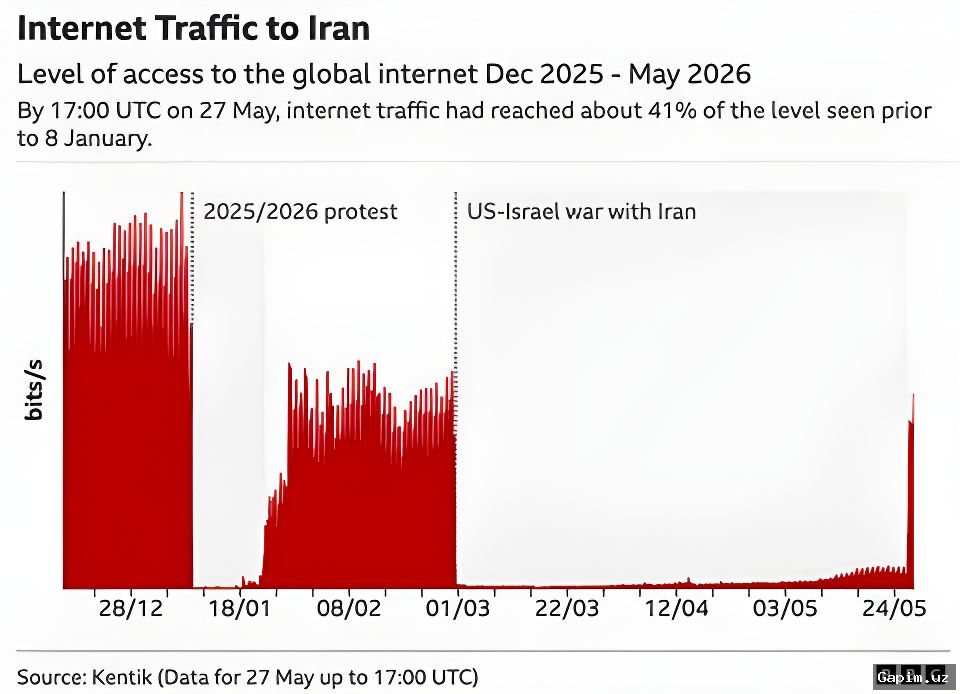
The Iranian government announced last week that it had begun a process to bring internet access back to pre-war levels, which were already heavily restricted after a 20-day shutdown during deadly protests in January.
The move ended more than 2,000 hours of near-total internet shutdown in the country of 90 million people – the longest nationwide blackout in history.
However, according to user reports, local media, and expert analysis, free access to the global internet is far from restored. Millions of web pages remain blocked by the state, and almost all global services like YouTube, Instagram, Telegram, WhatsApp, Facebook, and Waze are still inaccessible.
Mobile, wireless, and landline connections are slow and unreliable, while many local applications malfunction. Most people are forced to rely on a black market for VPNs, which has become lucrative for sellers often affiliated with the state. Prices have dropped after the partial reopening, but demand has skyrocketed.
The Iranian regime has implemented a complex multi-layered restriction system, turning full internet access into a privilege for a few state-authorized individuals. Many data centers are still offline, and certain internet protocols like IPv6 and HTTP/3 are blocked.
President Masoud Pezeshkian, who campaigned on reopening the internet, faces criticism from both reformists and hardliners. The reformist newspaper 'Sazandegi' criticized the "belated opening," while hardliners have tried to block the process through court orders.
The regime has also failed to clarify its plans for the tiered internet access system expanded during the war, where Iranians receive varying levels of access based on profession. A so-called 'Internet Pro' scheme offered slightly less restricted access at triple the price.
Despite the partial restoration, many Iranians remain frustrated. "What we have now is not the internet," said a Tehran resident. "It's a return to the previous half-closed condition being sold as an achievement."
Source: www.aljazeera.com