Ube, also known as purple yam, has evolved from a nostalgic treat in the Philippines into an exotic ingredient in cafes worldwide. However, the surge in popularity is putting pressure on crop supplies.
On a recent road trip to Germany, cafe owner April Schoengen spotted a purple pastry at a gas station bakery. "It was ube, just as I suspected," she said, surprised to find a Filipino-flavored dessert at a European gas station.
Schoengen sells ube-flavored cakes and drinks at her Filipino-themed cafe, "Ube de Oro" in Bonn. When it opened two years ago, the cafe catered mostly to Filipino clientele. Now, it attracts people from diverse backgrounds intrigued by the lilac-colored treats.
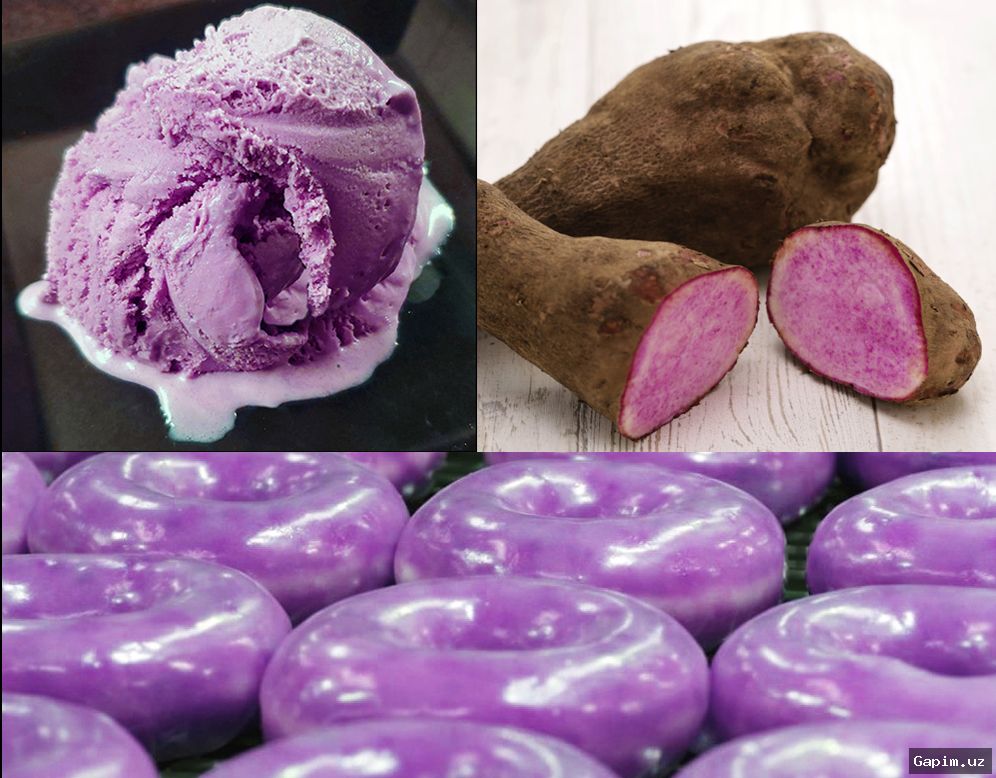
Ube (pronounced oo-beh) is a naturally vibrant purple root crop from the Philippines. Subtly sweet and nutty, it is typically served as jam, ice cream, or dessert during festivities.
For many indigenous communities, the tuber is a staple food and a major source of protein, carbohydrates, and antioxidants, according to Philippine Agriculture Undersecretary Cheryl Marie Natividad-Caballero.
In 2025, the Philippines shipped 1.7 metric tons ($2.9 million) worth of ube products (extracts, powders) abroad, a 20% increase from the previous year, with the bulk going to the United States.
Despite the popularity, ube production in the Philippines has steadily declined. From over 30,000 metric tons in 2006, only 12,400 metric tons were produced in 2025.
One major hurdle is the lack of planting materials, according to Grace Backian, director of the Northern Philippine Root Crops Research & Training Center. "Since foreign demand for ube has risen, the center has received more requests for seedlings," she said.
Farmer Christopher Gomez noted that growers used to keep a portion of harvests for replanting, but global demand has led them to sell everything. "The potential farmlands are expansive, but we barely have any seedlings," he said.
Ube farming is labor-intensive, requiring manual tilling, and the crop takes about nine months to yield, if it survives typhoons. Backian observed that ube remains a secondary crop, as farmers prefer cash crops like corn that mature in three months.
Source: www.dw.com