One year ago, Air India Flight 171 crashed seconds after takeoff from Ahmedabad, India, killing 260 people. The official investigation, led by India's Aircraft Accident Investigation Bureau (AAIB), has been mired in controversy, with critics alleging conflicts of interest and undue influence from Boeing and Air India.
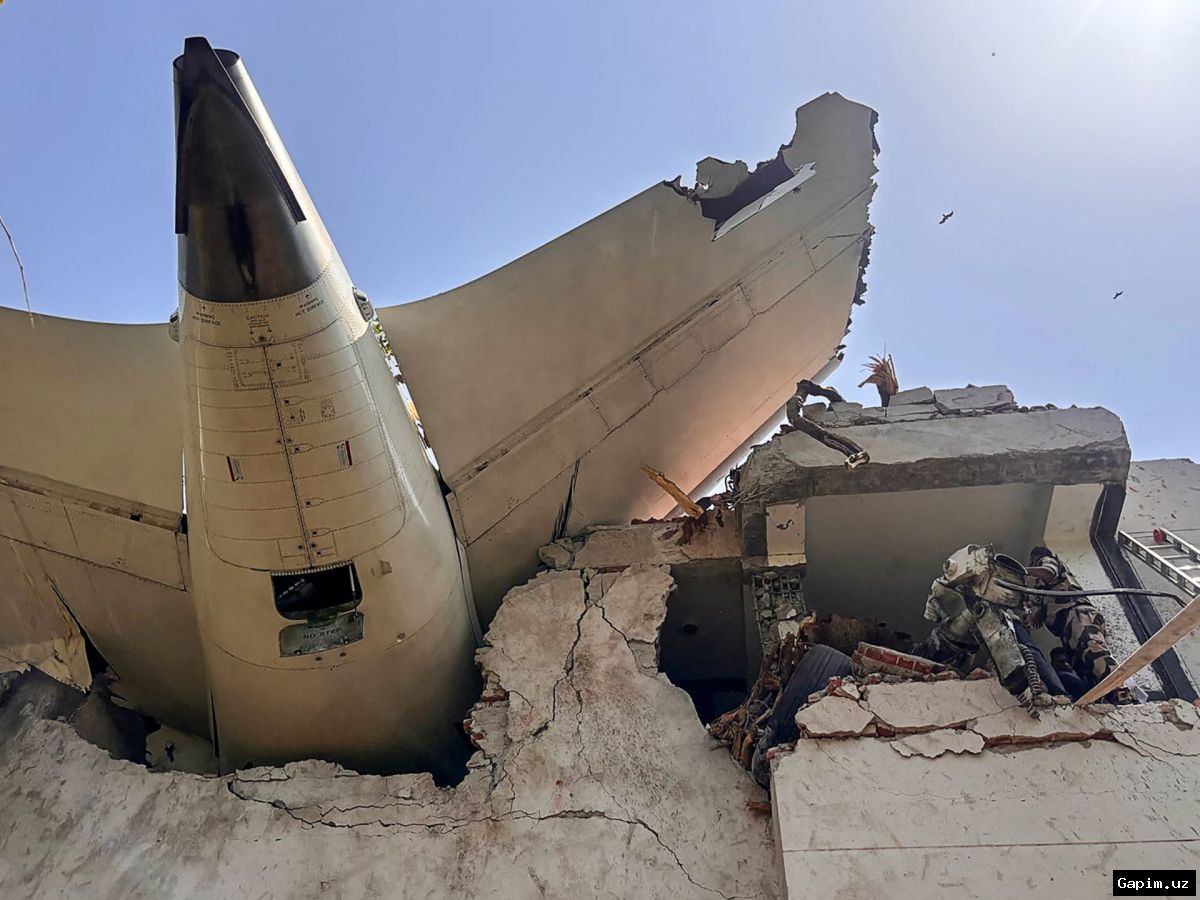
The preliminary report noted that fuel cutoff switches were activated after takeoff, and a pilot was heard asking, "Why did you cut off?" with the other responding, "I did not do it." This fueled speculation of pilot suicide, but safety campaigners and victims' families argue the evidence is inconclusive and point to prior electrical issues with the aircraft.
The Federation of Indian Pilots (FIP) and the father of Captain Sumeet Sabharwal have petitioned India's Supreme Court for a judicial investigation, claiming the AAIB's report is "irrevocably compromised." They highlight anomalies such as the early deployment of the Ram Air Turbine (RAT), which they say suggests a major electrical failure preceded the fuel cutoff.
Boeing, already facing scrutiny over the 737 Max, has a vested interest in protecting the 787 Dreamliner's safety record. Air India, struggling financially, also seeks to avoid reputational damage. Critics argue that the current system, where the country of occurrence leads the investigation, is vulnerable to political and corporate pressure.
Former investigator Tim Atkinson believes the pilot suicide theory is most plausible, while others, like journalist Rachel Chitra, advocate for a complex electrical failure scenario. The AAIB is expected to release a final or interim report by June 12, but many doubt it will resolve the controversy. The case has renewed calls for reform in how air accidents are investigated globally.
Source: www.bbc.com