Germany's regional interior ministers have gathered in Hamburg for their biannual Interior Minister Conference (IMK), with immigration, deportations and benefits high on the agenda. The three-day meeting is chaired by Hamburg's interior minister Andy Grote (SPD), who has called for lowering legal hurdles for deporting refugees who commit crimes.
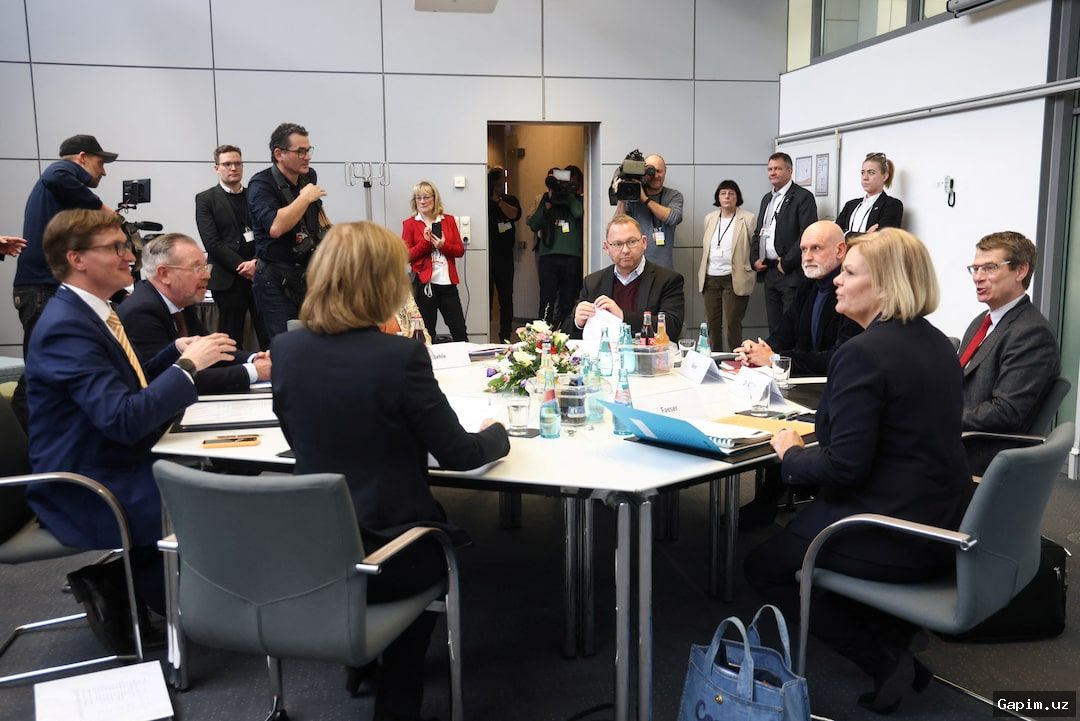
"When it comes to the deportation of criminals, we have to lower the legal hurdles for people with protected status – regardless of their country of origin," Grote told the RND news network. He stressed that serious crimes should lead to loss of residency rights to maintain public acceptance of refugee protection.
Meanwhile, the Federal Statistics Office released figures showing approximately 4 million refugees lived in Germany in 2025, nearly half from Syria or Ukraine. Refugees make up the highest proportion of the population in Bremen (7.3%), Hamburg (6.3%) and Saarland (5.7%), while eastern states like Saxony (3.1%) have lower proportions but higher support for the anti-immigration AfD party.
In a separate development, a Munich court ruled that the far-right Alternative for Germany (AfD) party may legally be surveilled by the domestic intelligence agency in Bavaria. The court rejected the AfD's appeal, making the decision final. The AfD was classified as a "confirmed right-wing extremist endeavor" at the federal level in 2025, though this was suspended by a court injunction earlier this year.
Current polls show the AfD at around 29%, far ahead of Chancellor Friedrich Merz's conservative Christian Democrats (CDU) at 20% and the opposition Greens at 14%. The next federal election is not until 2029.
Germany and Poland are also marking 35 years of cooperation with events in Berlin and Warsaw.
Source: www.dw.com