On Wednesday evening, the US and Iran signed the so-called 'Islamabad Memorandum of Understanding,' extending a ceasefire and kicking off a 60-day phase of technical talks during which the key points of contention are to be resolved. The signing was originally scheduled for Friday in Switzerland, but pressure had grown following days of speculation about the details of the agreement.
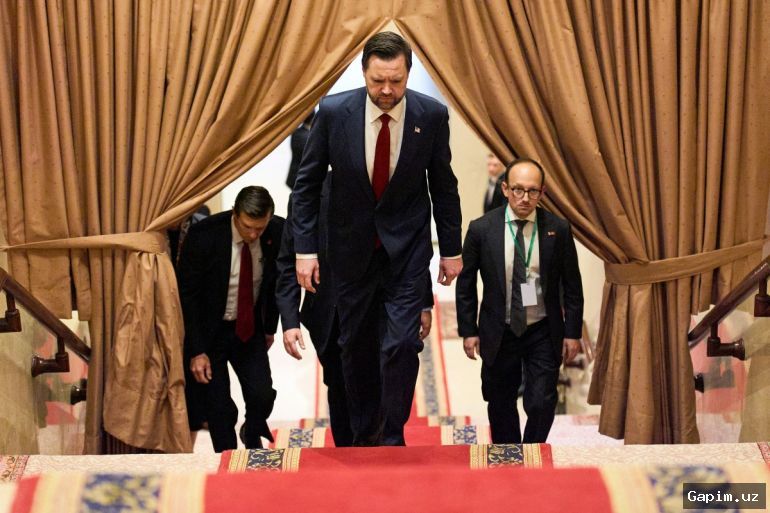
US President Donald Trump signed the document at the Palace of Versailles outside Paris after attending the G7 summit hosted by France on Lake Geneva. Iranian President Masoud Pezeshkian signed it digitally from Tehran. 'There appears to be political will on both sides to continue negotiations, which is encouraging,' Middle East analyst Fatemeh Aman told DW. 'At the same time, the most difficult questions have not yet been settled. For that reason, I would describe the prospects as cautiously positive, but far from certain.'
Iran's nuclear program remains one of the central points of contention. Preventing Iran from producing a nuclear weapon has been touted by Trump as one of the primary aims of the attack on Iran launched along with Israel on February 28. The MoU states that Iran reaffirms it has no intention of manufacturing or acquiring nuclear weapons, but contains specific provisions regarding stocks of highly enriched uranium. Both sides intend to clarify the status of enriched materials, particularly near-weapons-grade uranium enriched to up to 60%, through a mutually agreed mechanism. The plan calls for dilution of stockpiles under IAEA supervision.
Omid Nouripour, vice president of the German parliament, expressed skepticism: 'If the American side now believes that it can simply agree a deal with Iran because they have promised not to build the atomic bomb, then it fails to recognize that they've [the Iranian regime] often made that promise but have repeatedly undermined every agreement.' The MoU also prioritizes the immediate and permanent cessation of hostilities on all fronts, including Lebanon. Israel, the US's key regional ally, views the agreement with skepticism and is not a signatory.
One immediate effect is restoring shipping through the Strait of Hormuz, vital for stabilizing global energy prices. Iran will take immediate measures to reopen the strait, while the US will lift the blockade of Iranian ports. During the 60-day window, Iran has agreed to allow safe passage of commercial vessels with no charge, followed by negotiations with Oman. The US and its allies plan to establish an investment fund of approximately $300 billion for Iran's reconstruction, though Vice President JD Vance emphasized that Iran will only gain access if it fulfills obligations, and that this is not a 'second nuclear deal' like under Obama.
Regional support was crucial for the MoU. Pakistan, Qatar, Oman, Saudi Arabia, and the UAE were involved. Professor Sina Azodi of George Washington University noted that Arab states support the agreement because Iranian attacks on US bases have shown that American presence does not offer complete protection and can even entail additional risks. 'The key question now is how the implementation of this agreement will proceed in practice,' he added.
Source: www.dw.com