The by-election in Ashton-in-Makerfield, a suburban northern ward, has drawn intense national and international attention, with activists and journalists swarming the area for months. Local residents described the experience as "absolutely horrendous" and "stupidly hectic."
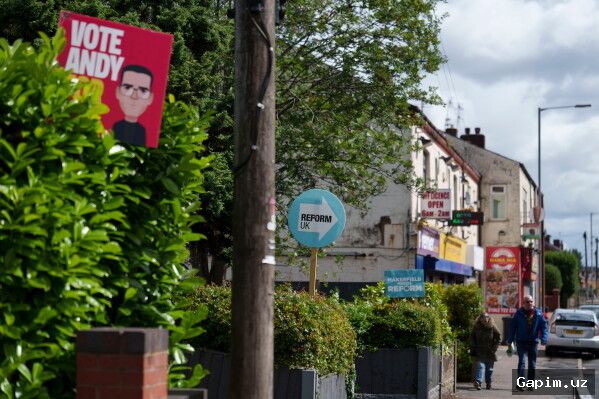
Andy Burnham, the 56-year-old Mayor of Manchester, won the vote with 24,927 ballots, defeating Reform candidate Robert Kenyon by over 9,000 votes. Burnham has since announced his intention to challenge Prime Minister Keir Starmer for the Labour leadership, while Starmer has vowed not to step down.
The by-election is seen as a prelude to a Labour leadership contest. Under party rules, Burnham needs nominations from 20% of Labour MPs (81 legislators) and support from local branches and unions to trigger a challenge.
Burnham, nicknamed the "king of the north," previously ran for party leader in 2010 and 2015. In his victory speech, he called for more power for the north and regions "forgotten by Westminster."
Starmer, who won a narrow majority in the 2024 general election, has faced declining popularity due to missteps and pressure from the right-wing Reform Party, led by Nigel Farage. Polls show him as the most unpopular UK leader since surveys began.
Immigration dominated the campaign, with Reform activists bused in from across the country. Local resident John Van Dusen criticized the government for failing to stop illegal immigration, while others expressed support for Burnham's community ties and articulate vision.
The UK political landscape is fragmenting into a five-party system, with Conservatives, Greens, Liberals, Labour, and Reform each drawing between 17-27% of the vote share, according to pollster Professor Sir John Curtice. This shift is driven by demographic changes and culture-war issues.
Source: www.aljazeera.com