One of the first reviews of the human papillomavirus (HPV) vaccine has shown that it has reduced the risk of cervical cancer death before age 30 to effectively zero in the United Kingdom. The study, published by The Lancet medical journal on Wednesday, has shown remarkable results, experts say, raising hopes in other countries where the vaccine is also being rolled out.
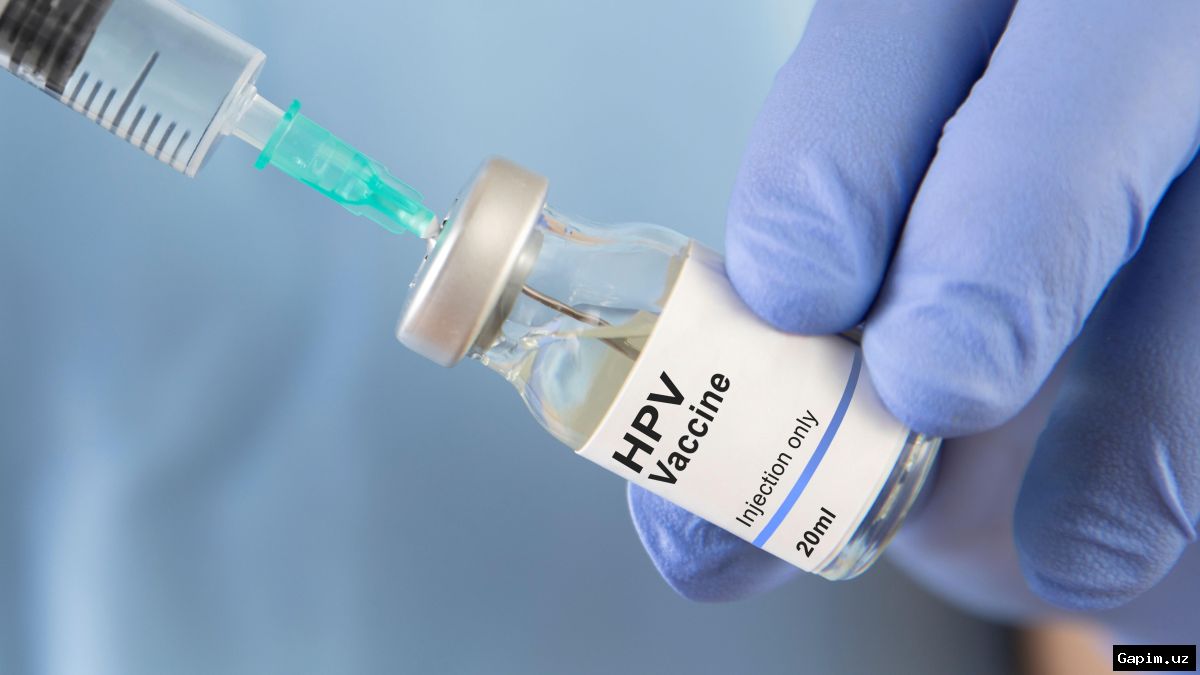
Cervical cancer is a particularly aggressive form of the disease with a poor prognosis for those diagnosed with it. It often affects young women under the age of 30. HPV, which can be transmitted through sexual contact, is the primary cause of cervical cancer and routine vaccinations of teenage girls and boys in the UK began in 2008.
The study, led by researchers at Queen Mary University of London and funded by Cancer Research UK, shows that in the five years from 2020 to 2024, no women aged 20 to 24 died from cervical cancer in the UK. Without the vaccine, 23 deaths would have been expected during this time. Between 2000 and 2004, 25 women in that age bracket died of cervical cancer; 16 between 2005 and 2009; 27 from 2010 to 2014; and five for 2015 to 2019.
“This is an incredible milestone and major progress in our mission to beat cancer,” said Michelle Mitchell, chief executive of Cancer Research UK. “We know the HPV vaccine is extremely effective at stopping cervical cancer before it starts and for the first time, these findings show it is saving lives.”
According to the World Health Organization (WHO), persistent infection with certain high-risk HPV strains can cause several cancers, including cervical cancer, as well as cancers of the vulva, vagina, penis, anus and the mouth or throat. Vaccination is the most effective way to prevent infection with high-risk HPV types and the cancers they cause.
Cervical cancer deaths are overwhelmingly highest in low and middle-income countries, particularly across sub-Saharan Africa, Central America and Southeast Asia. In 2022, 79,906 women died of cervical cancer in India, 55,694 in China, and 20,708 in Indonesia.
Vaccine hesitancy remains a global challenge. In some countries, critics argue that since HPV is sexually transmitted, the vaccine is unnecessary in conservative societies. In Pakistan, the vaccine program was failing to hit its targets by October 2025, authorities said. Vaccine hesitancy was aggravated by the CIA’s use of a fake hepatitis B vaccination campaign in Abbottabad in 2010-2011 as cover for the manhunt for Osama bin Laden.
Source: www.aljazeera.com