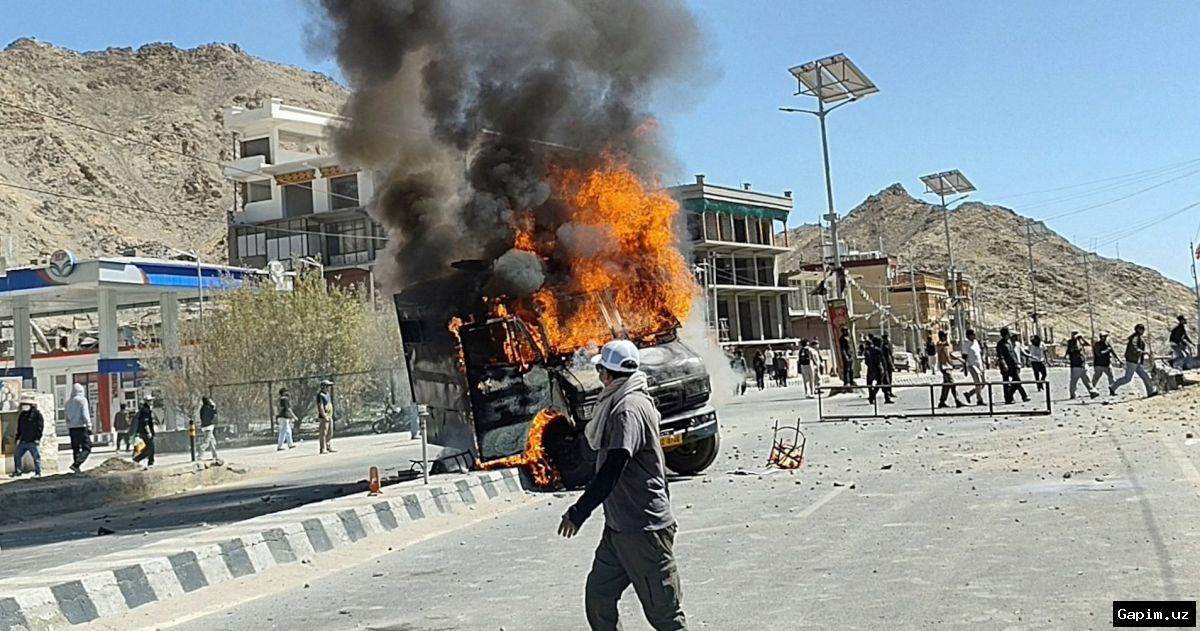
Businesses in the northern Leh and Kargil districts of India's Ladakh region remained shut on Tuesday, protesting the alleged retraction of key constitutional and administrative agreements by the central government.
India's Home Ministry has introduced amendments to the Foreign Contribution (Regulation) Act (FCRA), imposing higher penalties on non-governmental organizations (NGOs) for offenses related to receiving and using foreign contributions. NGOs spending more than the permitted 20% on administrative expenses now face a penalty of Rs 1 lakh or 5% of the excess amount, whichever is higher.
The registration rules under FCRA have been heavily revised. Organizations applying for foreign funding must now clarify their exact purpose, including for religious activities such as construction, renovation, and maintenance of religious places, religious education, and promotion of devotional music.
Since 2014, Prime Minister Narendra Modi's government has tightened restrictions on non-profit groups, suspending many and banning others from receiving foreign funding, accusing them of funneling funds toward "anti-national activities." A major FCRA amendment in 2020 banned the transfer of foreign funds between NGOs and cut administrative expense limits from 50% to 20%.
The protests in Ladakh were called by the Leh Apex Body (LAB) and the Kargil Democratic Alliance (KDA). Thousands joined a rally demanding a "credible dialogue" with the Union government. The groups allege that the government omitted agreed-upon proposals regarding authority over bureaucracy and constitutional safeguards for Ladakh from the official Minutes of Meeting (MoM) of talks held on May 22.
LAB and KDA have warned that if the "two essential" agreements are not reflected in the final minutes, they will return to their original demand of full statehood and Sixth Schedule status for Ladakh. Inclusion in the Sixth Schedule of the Indian Constitution would safeguard tribal lands, local employment, and the fragile Himalayan ecology from outside conglomerates.
In 2019, the Indian government abolished Article 370, resulting in Ladakh's separation from Jammu and Kashmir and its redesignation as a separate Union Territory. The decision was initially welcomed by Ladakhi residents, but concerns soon grew over inadequate political representation.
Source: www.dw.com