Thousands of people in Kenya are preparing for demonstrations on Thursday as the country commemorates the second anniversary of the Gen Z protests and mourns more than 120 people killed in a movement that galvanized a generation of young Kenyans two years ago.
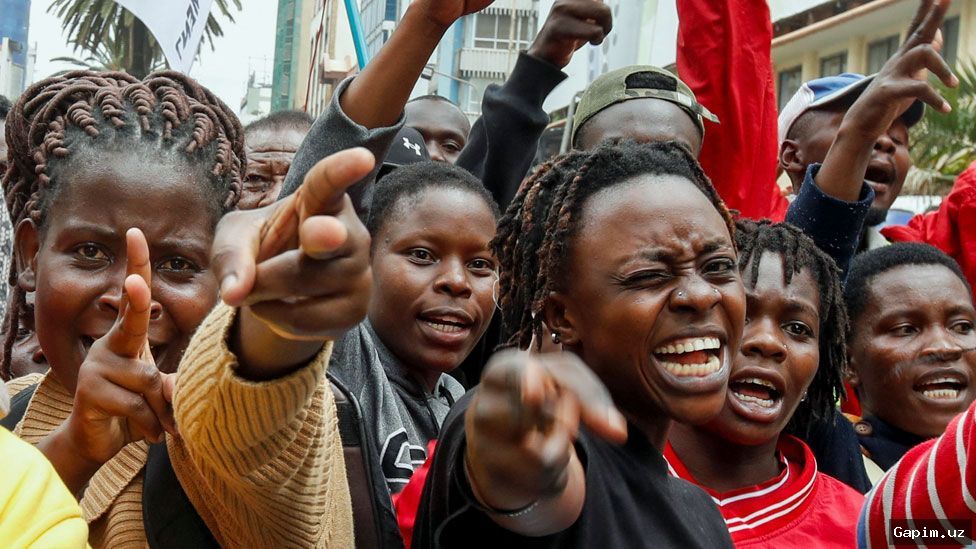
Initially triggered by a controversial tax bill in 2024, young protesters – known as “Gen Z” – mobilized against the rising cost of living, unemployment, and government corruption, aiming to push President William Ruto out of office. While they failed to oust him, the government was forced to withdraw the tax bill.
However, experts say the broader challenges, including economic inequality that sparked the anger, remain unresolved. A commemoration event last year turned bloody when government forces cracked down on protests, killing more than 60 people. This year, Ruto’s government has repeatedly warned against protests and ordered a heavy police deployment.
The Gen Z protests began in June 2024 in opposition to a finance bill seeking to raise $2.7 billion in new taxes. At their peak, demonstrators stormed parliament and partially set it on fire. Ruto eventually bowed to pressure and returned the bill for amendments, but not before protests were subdued amid state repression.
Protests reignited in 2025 after blogger Albert Ojwang died in police custody, fueling public anger over police brutality. Rights groups report that crackdowns left more than 60 dead and over 500 injured. Tensions have been simmering ahead of the second anniversary, with Ruto’s government introducing a new Finance Act 2026, which it frames as pro-growth, while opposition calls for remembrance marches.
Ruto has announced a nearly $15 million fund to compensate 1,100 people affected by protests between 2017 and 2025, but stopped short of apologizing. Victims’ families have dismissed the payments as “peanuts” and demand justice. Only three cases from the 2024 protest deaths and one from 2025 have reached court, with no police officer convicted. Rights groups also note dozens of government critics were abducted in 2024 and 2025, many never seen again.
Source: www.aljazeera.com