London, United Kingdom – “At midnight yesterday, the temperature in my home was 31 degrees, which I could not control,” said Bijal Shah, a pharmacist who has spent the past fortnight trying and failing to buy a portable air conditioning unit or even an industrial fan to cool his five-month-old grandson who is unwell.
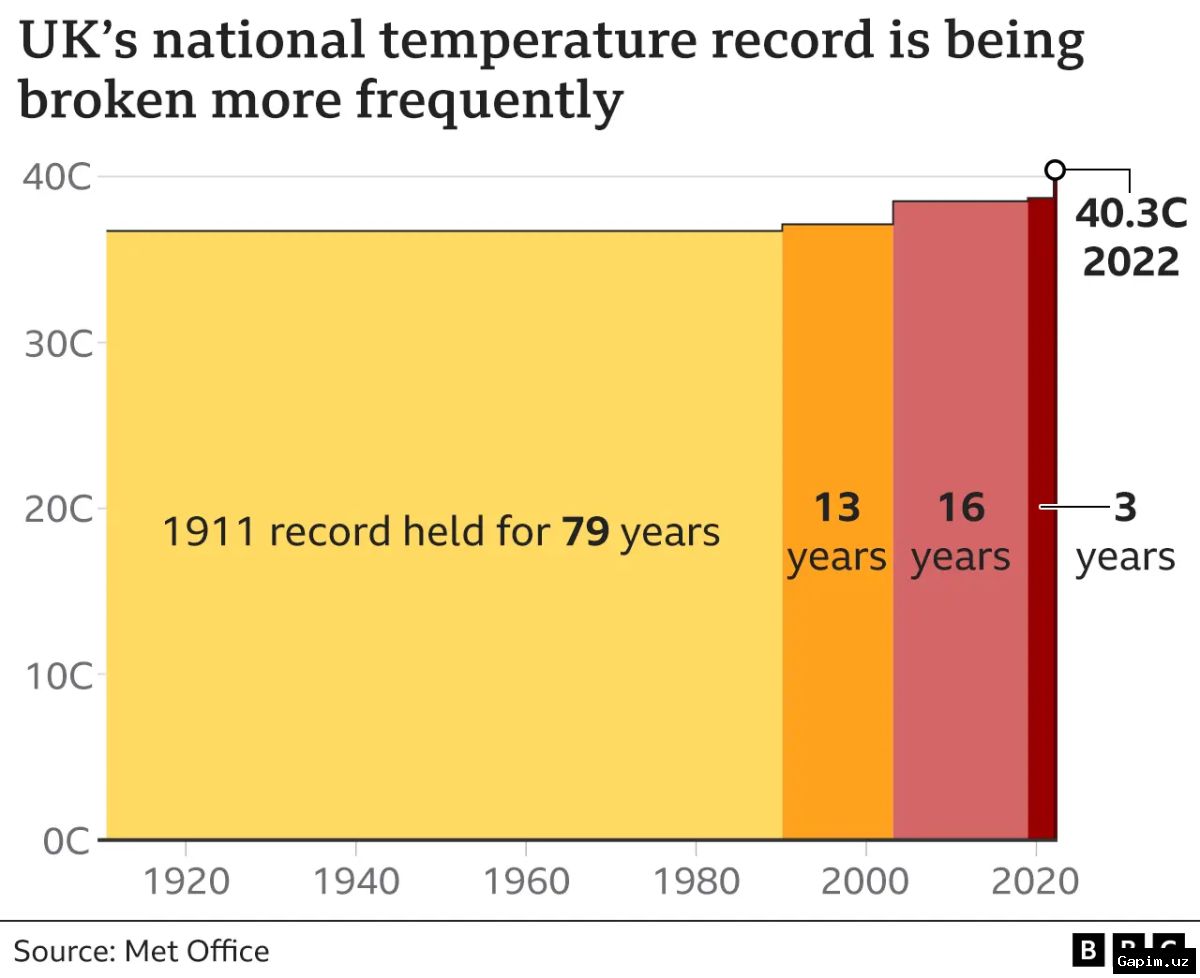
Some cooling items have waits of two to three weeks for delivery, a real challenge for families like his who are caring for someone vulnerable. It is a small but telling detail in a week when Britain has broken a June heat record that had stood since 1976.
The mercury hit 36.1°C in Gosport, Hampshire, the hottest day of the month ever recorded in the UK. The Met Office has a red extreme heat warning running across large areas of southern England and there is a possibility that temperatures could reach 40°C before the week is out.
“We’ve not had a surge in enquiries or requests for prescription deliveries,” said Shah from behind the counter in his air conditioned pharmacy. “Not as much as I thought we would have.”
More than 1,000 schools across southern England have shut early or closed entirely this week. One in Taunton told parents that the conditions made it “increasingly difficult to ensure the wellbeing, comfort and safety” of pupils and staff.
Soaked through after an hour’s work, Peter Wride, a gardener, recalled the 1976 heatwave. “We survived that June in school. No lessons were cancelled, schools didn’t shut,” he said. He believes the response this week has tipped too far towards panic.
Transport for London has warned of disruption to Tube and rail services and Network Rail has asked passengers in red warning zones to travel only if strictly necessary, as the heat threatens overhead lines and signalling.
London Ambulance Service has deployed more than 400 extra ambulance crews on the road this week as temperatures soared. Major events have also been impacted – the University of Bath postponed its 60th Anniversary Adelard gathering, and a Climate Action Week panel was cancelled after organisers found the venue had no cooling system.
“If this was expected in advance, the population should have been more prepared for this,” Shah said. His grandson, in and out of hospital, has been vomiting continuously, and every bit of lost hydration matters when there is no way to cool the room he sleeps in.
Other European nations have also suffered this week, such as France and Spain where there have been dozens of heat-related deaths. Out on the roads in London, bus driver Glendon Alflat has had passengers demanding he turn the air conditioning on. “The company turns off the air conditioning system from the main controls so I can’t switch it on my bus,” he explained. “They want to save money.”
After 35 years behind the wheel, he is used to the job’s quirks, but not this kind of heat. “It is at least five degrees hotter on board because of all the glass, especially at the back of the bus where the engine is,” said the 64-year-old.
Nearby, an ice cream van seller is finding his own trade complicated by the kind of weather that should boost business. Sunshine does not always lead to queues, since footfall can drop in extreme heat as people stay indoors.
Meanwhile, 38-year-old Alin Cioloca from Romania, who works as a chef in an Italian restaurant, seems unfazed by the heatwave. His kitchen is air conditioned. In Hertfordshire, horse rider Dianne Lawrence has called off her morning gallops. “I can’t bear the heat, but more importantly the horses shouldn’t have to endure it,” she said.
Shah argued that the problem is the absence of warning. “We are never prepared for this and as the 5th or 6th richest country in the world, we are never ready for these sorts of things which are probably going to be the norm,” he said. He believes there should be clear government warnings issued early enough for people to buy fans, fit shades, check on vulnerable people and plan their lives around summers that are no longer the exception but, as he sees it, the new normal.
Source: www.aljazeera.com