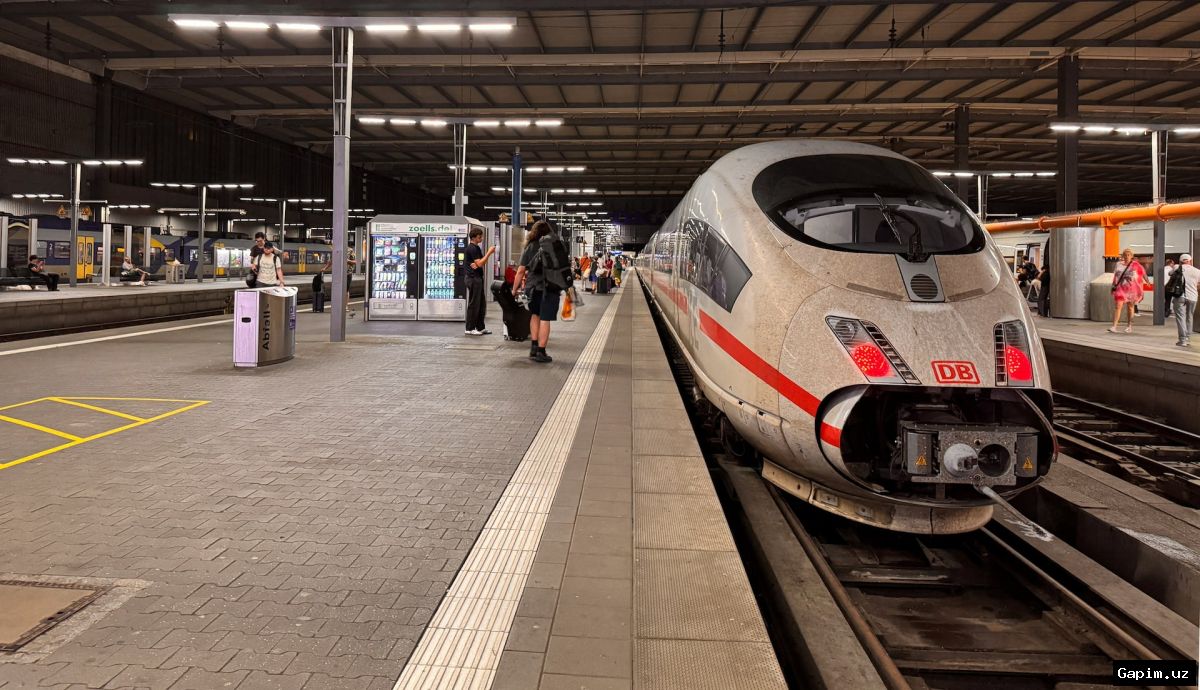
Deutsche Bahn is facing its worst crisis in 30 years, with only 60% of long-distance trains arriving on time — a figure artificially inflated by excluding canceled or prematurely terminated services. Former CEO Richard Lutz admitted the scale of the problem in March 2025, stating the company is 'far from what we set out to achieve.'
Evelyn Palla took over as CEO in October 2025, promising realistic targets: 69-72% punctuality by 2030 and 80% by 2035. However, challenges persist. The flagship 'Stuttgart 21' project has been delayed for the ninth time, now expected to finish in 2031 instead of 2019, with costs more than doubling. Palla cited incorrectly laid cables, unapproved emergency power supplies, and digitalization issues.
The crisis stems from decades of underinvestment. After German reunification, two railway systems were merged, but much of the network remained outdated — some tracks, switches, and signal boxes still date from the 19th century.
In preparation for a 2008 stock market listing, manager Hartmut Mehdorn imposed cost-cutting measures, slashing staff in safety-critical areas and minimizing infrastructure investment. The listing failed, leaving the company debt-laden with a 33,500 km network in poor condition.
Currently, 40 main lines are undergoing major refurbishment, requiring complete closures for months. The Berlin-Hamburg line reopened with a six-week delay, while the Berlin-Hanover line will close from October, adding 60-80 minutes to travel times.
The railway radio system, which caused a total shutdown in June 2025, is slated for a 5G upgrade by 2030 — other EU countries have long abandoned 2G. Passengers receive scant information during disruptions, with little guidance for non-German speakers.
Source: www.dw.com