The Turkish capital Ankara is preparing for the NATO summit on July 7-8. The high-profile meeting takes place amid international tensions, fueled in part by statements against the trans-Atlantic security alliance by US President Donald Trump.
The summit is particularly important for Turkey, which has NATO's second-largest military and plays a central role on its southeastern flank. It also marks the first visit by a sitting US president to Turkey in 17 years, after Barack Obama in 2009.
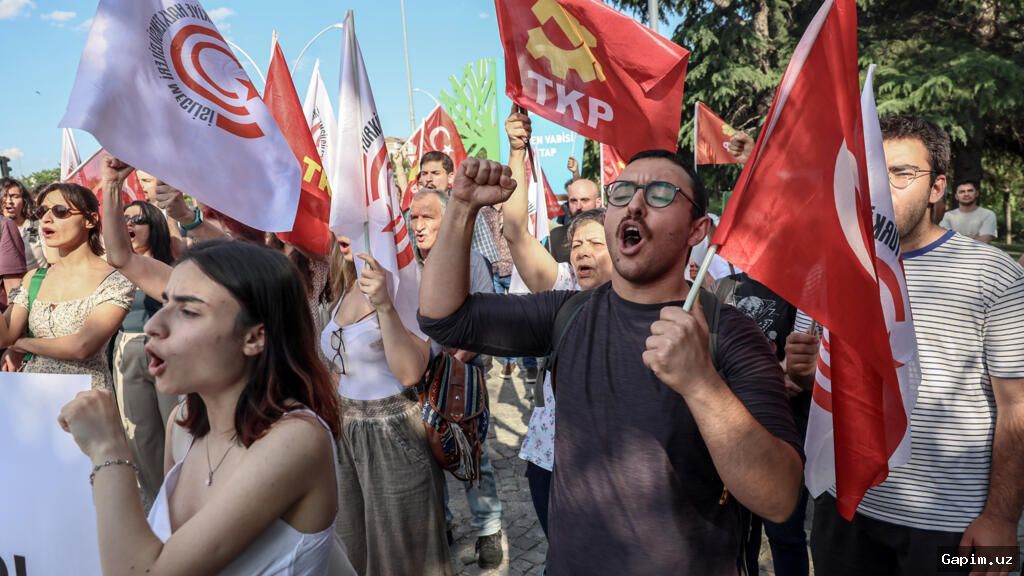
However, preparations have been overshadowed by a wave of arrests. According to media reports, a total of 225 people have been arrested in recent days. Of those, 178 remain in pretrial detention. They include human rights and environmental activists, and journalists. A strict two-week ban on public gatherings has also been imposed in Ankara itself.
Turkish prosecutors have justified the crackdown by citing ongoing investigations into terrorist organizations. The goal, they say, is to uncover the organizations' activities across Turkey.
Among those arrested are Nevzat Ozer, the representative of the environmental TEMA Foundation in Ankara; economist Emel Memis Parmaksiz; and Yildiz Tar, journalist and editor-in-chief of the LGBTQ portal Kaos GL. Attorneys Semra Demir and Kursat Bafra have also been detained, accused of belonging to an armed terrorist organization.
Several of the accused were questioned about possible links to the banned Communist Party of Turkey/Marxist-Leninist, which the state has classified as a terrorist organization. The questioning apparently focused on possible aliases, military training and organizational structures. Those questioned rejected the allegations, with some saying they were not even aware of the group.
Political scientist Berk Esen finds the move hard to understand. A government hoping for positive headlines ahead of the summit is only undermining its own interests, he told DW. At the same time, he highlighted a familiar pattern: arrests of people from the political left ahead of previous NATO summits in Turkey.
The move could also be a signal to the US, Esen pointed out. This time, the crackdown appears to be targeting individuals whom the authorities suspect of planning protests. "Many of those arrested have no political ties or connections to the political left," said Esen, adding that "this can also be explained by weaknesses in the judicial system."
Rights organization Human Rights Watch has also voiced strong criticism. "The misuse of terrorism laws to conduct mass arrests and silence people in the run-up to a NATO summit flies in the face of the founding values of the alliance," Benjamin Ward, deputy Europe and Central Asia director at Human Rights Watch, wrote on the watchdog's website. He added that Turkey's "NATO allies should use their influence to urge the authorities to change course."
Source: www.dw.com