Since the US and Israeli regimes launched a war on Iran in late February, the global energy sector has undergone major upheaval. Oil prices have swung from levels not seen since the onset of Russia’s full-scale invasion of Ukraine in 2022 to close to where they were before the conflict more than four months ago.
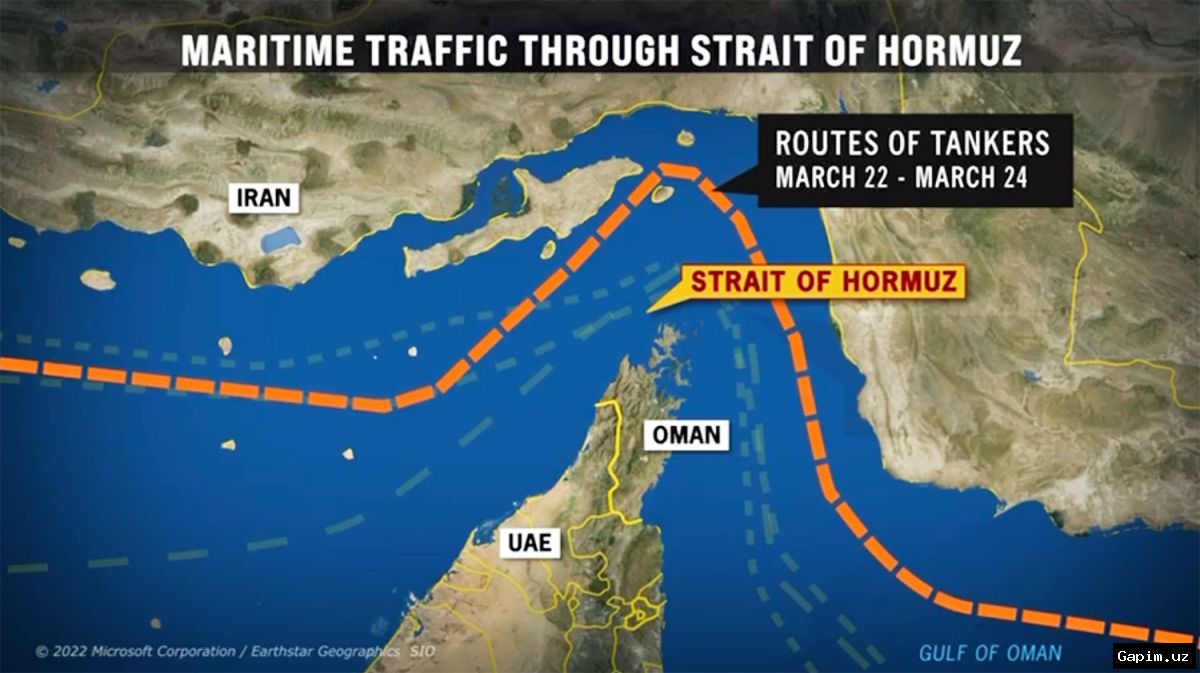
Energy suppliers have scrambled to find alternative trade routes amid the Iranian regime’s stranglehold over the Strait of Hormuz, through which about one-fifth of global oil and liquefied natural gas (LNG) supplies pass in peacetime. From Tokyo to New Delhi to London, governments have rolled emergency measures to spare citizens from the worst of the pain inflicted by surging fuel costs.
While ongoing US-Iran negotiations to reach a lasting peace have raised hopes for a return to stability in oil and gas markets, the war has already transformed the global energy landscape in ways that are likely to be long-lasting and even permanent, according to energy experts. “The oil market will never be the same, following this conflict,” Adi Imsirovic, a veteran oil trader who lectures at the University of Oxford, told Al Jazeera.
Attacks on commercial vessels in the Strait of Hormuz are widely expected to have a chilling effect on shipping lines that persists long after the war is officially brought to an end. While the Iranian regime agreed to make its “best efforts” to arrange the safe passage of vessels in the strait in the memorandum of understanding (MoU) signed with the US on June 17, Tehran has since then repeatedly claimed the right to control the critical waterway. After hitting a post-war peak of more than 70 transits on June 24, maritime traffic dropped sharply again over the weekend after attacks on two commercial ships that were widely blamed on Iran.
Facing ongoing threats in the waterway, energy suppliers have sought to ramp up exports on land via Saudi Arabia’s East-West Pipeline, the United Arab Emirates’ Abu Dhabi Crude Oil Pipeline, and the Iraq-Turkiye Crude Oil Pipeline – though the pipelines’ combined capacity falls well short of the approximately 20 million barrels of oil that moved through the strait each day before the war. Dan Marks, a research fellow in energy security at the Royal United Services Institute in London, said he expects there to be “long-term” concern over transits in the strait.
Another anticipated legacy of the war is an acceleration in countries’ efforts to shift from fossil fuels to renewables, such as wind, solar and hydropower. In April, Simon Stiell, the top United Nations climate official, told a meeting of government officials at the International Energy Agency that the conflict was already “supercharging the global renewables boom”. Global renewable energy capacity hit a record high in 2025, with non-fossil fuel projects accounting for approximately 86 percent of added power capacity that year.
China, more than any other country, stands to gain from an expedited global shift away from fossil fuels. The world’s second-largest economy is by far the top global exporter of renewable energy-related components, producing more than 80 percent of the world’s wind turbines, solar panels and energy storage batteries. The war has provided an “object lesson in the value of a much more diversified energy mix”, said Maurice Obstfeld, a senior fellow at the Peterson Institute for International Economics. Other countries such as the US and Qatar may also be able to consolidate their positions as leading energy suppliers in the aftermath of the war.
Source: www.aljazeera.com