As gas prices and airfares soar, Americans are rediscovering train travel, with passenger numbers hitting records for two consecutive years. However, the US rail network, the world's largest, is primarily designed for freight, leaving passenger services slow and inconvenient.
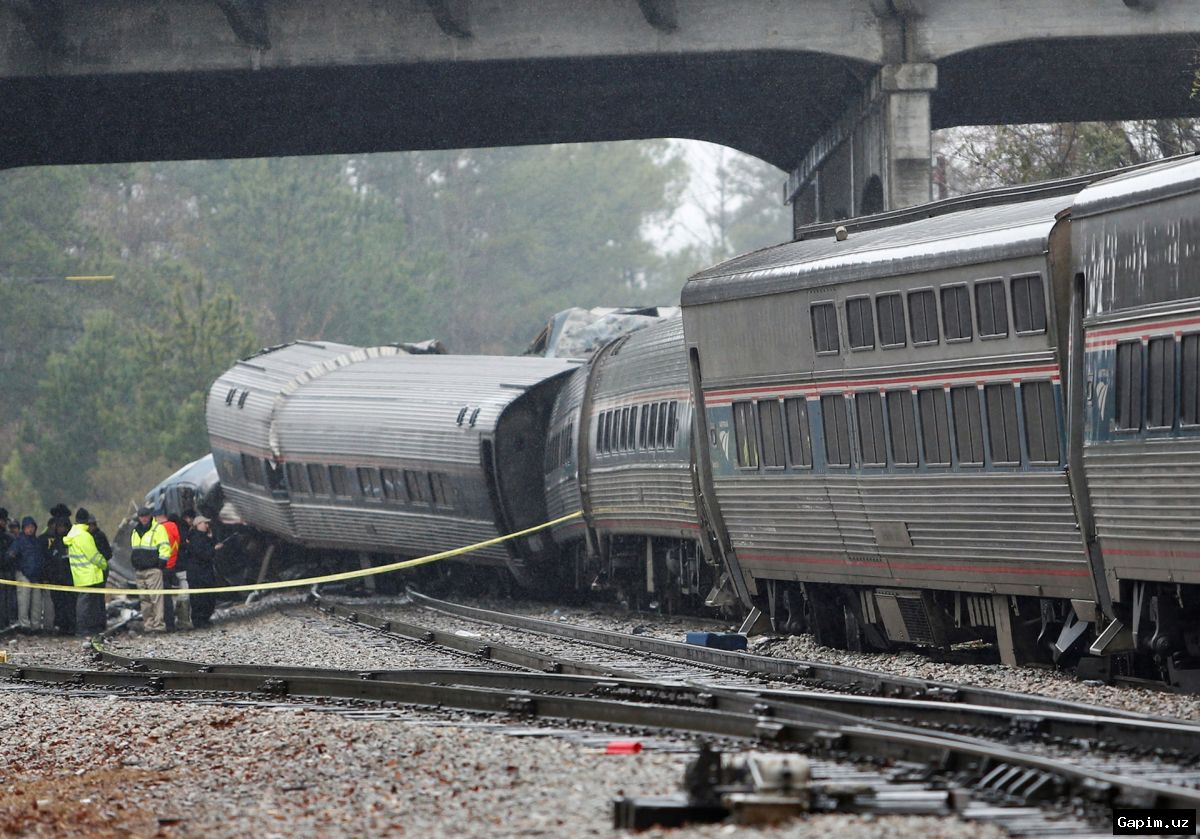
The heyday of US passenger rail in the 19th century gave way to mid-20th century prioritization of highways and airports. Today, most tracks are built for heavy cargo, not high-speed trains. Amtrak's flagship Northeast Corridor between Boston and Washington D.C. takes about 7 hours for 735 km, while a similar distance in Italy is covered in under 5 hours.
Allan Zarembski, a professor at the University of Delaware, explains that the corridor's curves make straightening expensive due to land acquisition costs. "We're talking about going through the most densely populated portion of the United States," he said.
California's ambitious high-speed rail project linking Los Angeles and San Francisco, launched in 2008, is mired in delays and cost overruns. The initial $33 billion budget has ballooned to over $100 billion, with completion pushed to the 2030s. Zarembski believes the cost was deliberately lowballed for political reasons.
High-speed rail could cut emissions by 72-83% compared to planes and cars, but requires massive investment. The Trump regime has proposed slashing Amtrak funding by 82% in its 2027 budget. Amtrak says it needs $100 billion and 15 years just to upgrade the Northeast Corridor.
Alon Levy of New York University argues that the corridor could be upgraded for $17 billion by adopting proven European and Asian technologies. "It's an American mindset... if something is invented in Japan, it can make its way to Europe, but it's very difficult to make its way to America," he said.
Source: www.dw.com