German Chancellor Friedrich Merz this week announced a crackdown on the country's high number of sick days. The move follows a January study by the Berlin-based IGES Institute, which found that German workers now take an average of 19.5 working days of sick leave per year, a noticeable increase from about 13 days in 2018.
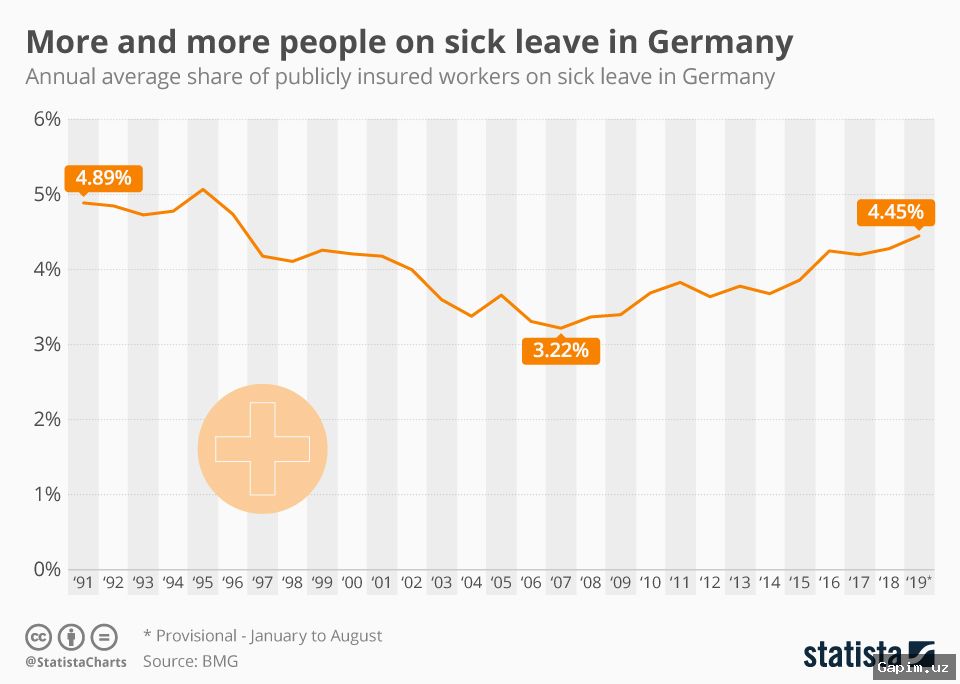
Under Merz's proposals, from January next year, workers will no longer be able to obtain a sick note over the phone; they must visit a doctor in person on the first day of illness. Merz stated that the high absenteeism is hurting Germany's economy, saying, "We can no longer afford this competitive disadvantage caused by long absences from work." The crackdown is part of a larger reform package aimed at restoring "fairness and functionality" to the labor market.
Germany has one of the world's most generous sick leave systems. Workers are entitled to 100% of their salary for up to six weeks of sick leave, paid by the employer. After six weeks, statutory health insurance pays about 70% of gross pay for up to 78 weeks. The system encourages proper recovery and prevents the spread of germs at work.
Critics of Merz's reforms argue that the crackdown risks stigmatizing legitimate illness and shifting blame for the country's economic woes onto an aging workforce. The IGES report attributes the rise in sick leave partly to better reporting due to the new electronic sick note system (eAU), which took full effect in 2023. Behavioral changes after the COVID-19 pandemic, with people more likely to stay home when ill, also contributed.
According to OECD data, Germany averaged 3.5 weeks (24.5 days) of sick leave last year, lower than Norway, Spain, and Slovenia, which exceeded five weeks. Finland (4.8 weeks), France (4.1), Portugal (4.0), and Belgium (3.9) also have higher rates. In contrast, the United States averaged just 1.1 weeks in 2024.
Source: www.dw.com