As airfares rise and gas prices remain high, more US travelers are turning to trains, with passenger numbers hitting records for the past two years. However, the country's rail network, historically designed for freight, struggles to meet passenger needs.
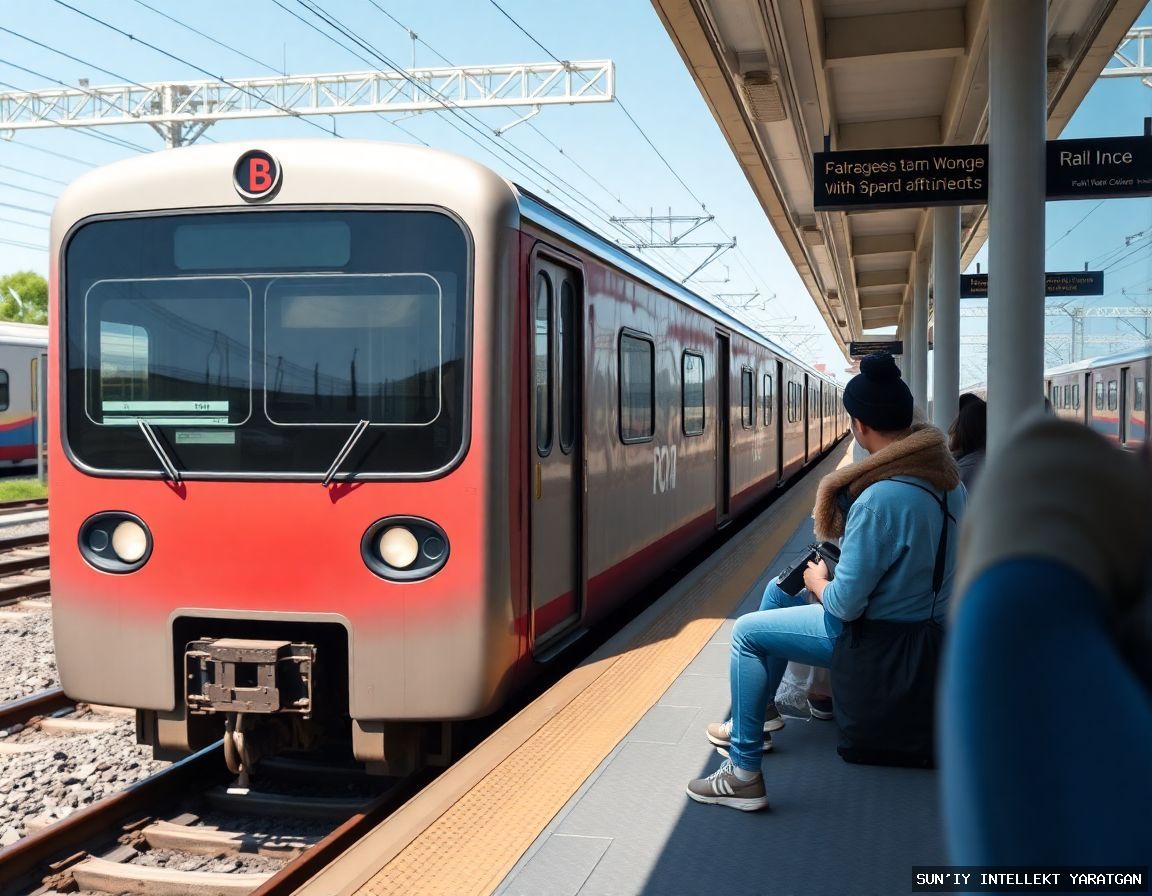
Despite having the world's largest rail network, many US cities lack good rail connections, and high-speed services common in Europe and East Asia are absent. In the mid-20th century, the US prioritized highways and airports over railroads.
Amtrak's busiest route, the Northeast Corridor between Boston and Washington DC, covers 457 miles (735 km) in about seven hours. In comparison, trains in Italy complete a slightly longer route between Naples and Milan in under five hours.
Allan Zarembski, director of the University of Delaware's railroad engineering program, says the Northeast Corridor's tracks curve with the terrain, making straightening for high-speed trains expensive. "Straightening out the track is a very expensive proposition," he said.
California launched a high-speed rail project in 2008 to connect Los Angeles and San Francisco, but it remains in planning. Initial budget of $33 billion has ballooned to over $100 billion. Zarembski believes costs were deliberately underestimated for political reasons.
High-speed rail would benefit the climate, with Amtrak's electric trains emitting 72% and 83% less than planes and cars, respectively. However, the US regime under Trump has proposed cutting Amtrak funding by 82% in its 2027 budget.
Alon Levy of New York University's Marron Institute says upgrading the Northeast Corridor for high-speed rail could cost as little as $17 billion. He argues the US regime's main problem is not lack of funds but failure to adopt foreign innovations. "It's kind of an American mindset," he said.
Source: www.dw.com