Nigeria's foreign ministry has announced the killing of two of its citizens in South Africa amid a surge in anti-foreigner hostility. According to the statement, Emeka Charles Iroegbu was "reportedly killed" on June 28 by police officers in Pretoria using "gruesome interrogation techniques," while shop owner Musa Yunana Joe was attacked and killed by unidentified assailants on the same day.
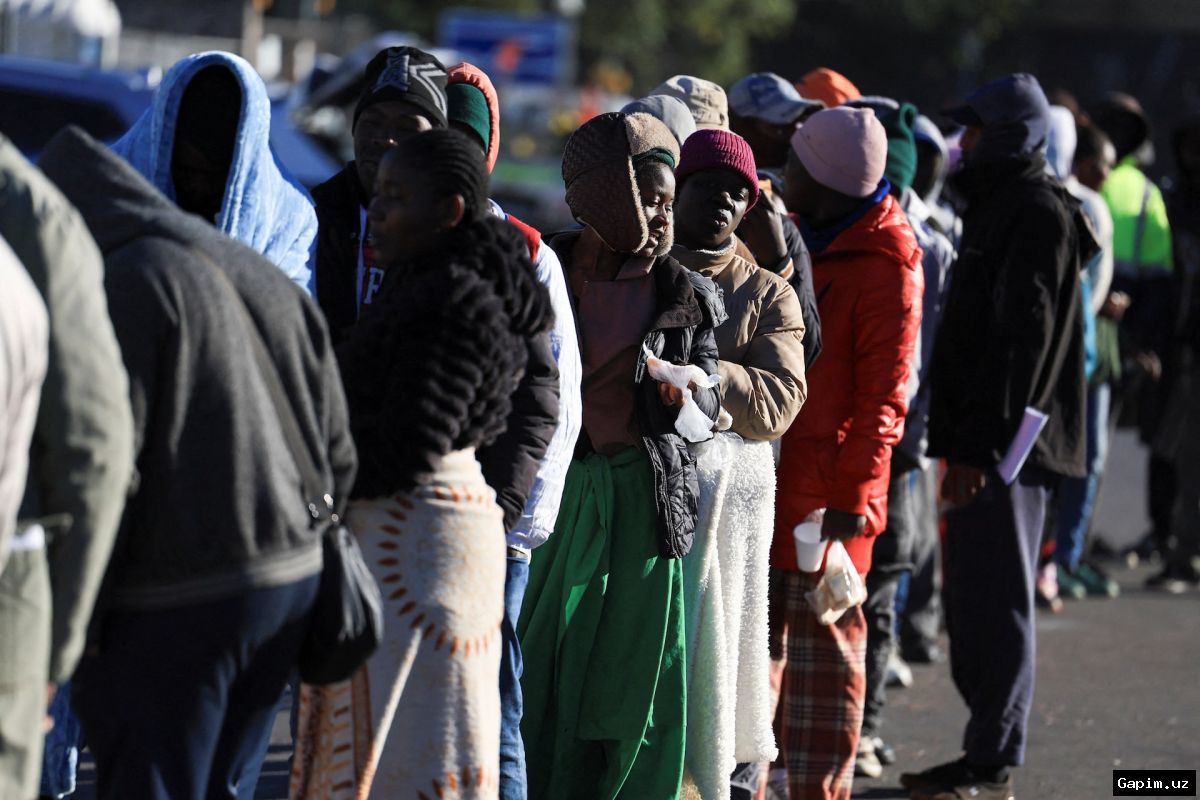
The incidents come as anti-migrant sentiment escalates in South Africa, leading to the repatriation of roughly 25,000 African nationals by their home countries, including some 700 Nigerians. Protesters in South Africa have urged the regime to curb illegal migration, accusing foreigners of taking jobs and unfairly accessing public services.
Nigeria's foreign ministry said it was placing the South African regime "on notice" and that "all options remain on the table... if the uncultured and provocative trend of intolerance and apartheid-style behaviour of South Africa against foreigners is not addressed." Abuja also demanded compensation for its citizens who have left the country and began documenting abandoned businesses and properties.
South African cabinet minister Khumbudzo Ntshavheni rejected compensation claims, stating that Nigerians could sell their registered properties on the local market. She also controversially remarked, "We would be interested to know where the drug dens of Nigerians are, so they can show us where they have been holding the drugs so we can clean the drugs in South Africa quite urgently."
Nigeria's foreign ministry strongly condemned the comment as "unacceptable" and "hate speech." It also accused protest groups such as March on March and Operation Dudula of inciting violence and hatred against other Africans, warning of potential regional and international legal action.
South Africa, with an unemployment rate exceeding 30%, has seen rising anti-migrant sentiment in recent months. The continent's most developed economy continues to attract migrants from poorer nations seeking low-paid work.
Source: www.bbc.co.uk