Thong Phet was an 18-year-old novice monk in Ban Napia village, northeastern Laos, when his machete struck an unexploded weapon, detonating it. He lost his left arm below the elbow and severely injured his right hand.
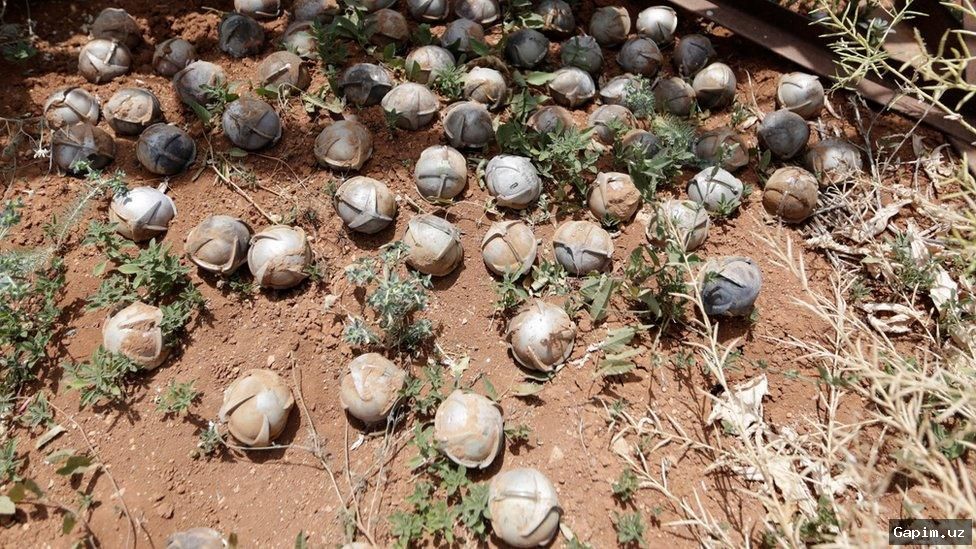
Between 1964 and 1973, the US dropped over 2 million tons of ordnance on Laos, making it the most bombed country per capita. Cluster bombs, which scatter hundreds of submunitions (bombies), are particularly dangerous; an estimated 30% failed to detonate.
Today, UXO Laos teams use metal detectors to clear fields. In one week, they safely disposed of 19 bombies and five large-caliber bullets. The village has lost five people to UXO, and two deminers died in a 2002 blast.
Martine Therer, UNDP resident representative in Laos, says UXO hinders development: over 70% of rural people rely on agriculture, but contaminated land cannot be used. In 2025, there were 25 incidents with six deaths.
Laos will host the Third Review Conference of the Convention on Cluster Munitions in September. The convention has 112 signatories, but the US, Russia, and China are not parties. Laos has been a strong advocate.
Education campaigns teach villagers, especially children, to avoid suspicious objects, report them, and not light fires in uncleared areas. The goal is to reduce casualties and free land for productive use.
Source: www.dw.com