South Sudan became the world's newest country in July 2011 after nearly 99 percent of voters chose independence from Sudan. Fifteen years later, most of the major promises that came with independence remain unfulfilled.
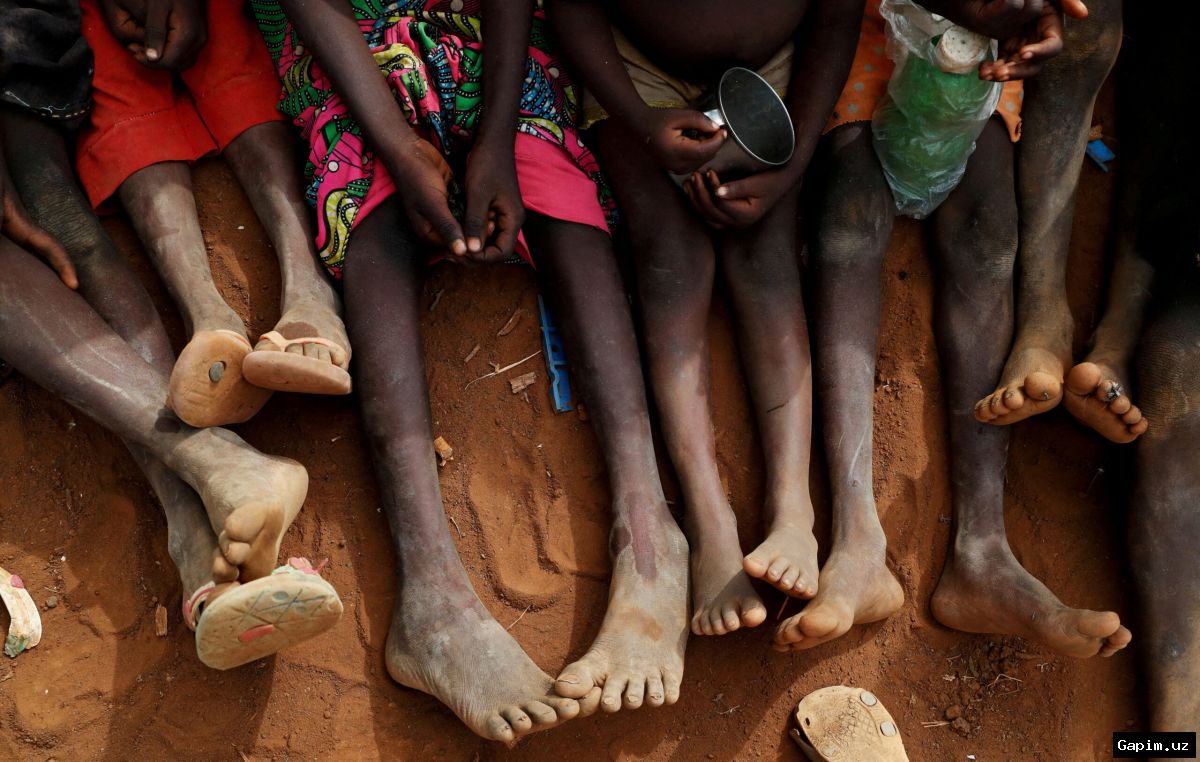
South Sudan remains one of the world's most fragile states. Oil finances nearly 90 percent of the government's revenue, but the country remains wracked by deep inequality and violence: 82 percent of the population lives below the poverty line, and political jostling between rival groups has left the young nation in a perpetual state of conflict.
Elections have never been held since independence, millions remain displaced, and the country's economy depends on pipelines running through Sudan, the very nation it fought to leave.
Jok Madut Jok, 57, a professor at Syracuse University from Warrap, South Sudan, says the country is now a "failed promise." He notes that people are looking towards possibilities of political transitions to hold their government accountable.
The country is technically governed by a transitional unity government created under the 2018 peace agreement, but that peace remains fragile. Violence continues across Jonglei, Upper Nile, Unity and Equatoria states with clashes involving government forces, opposition fighters and other armed groups.
Elections scheduled several times since independence have again been delayed, with the latest vote planned for late 2026.
Between 2011 and 2026, according to ACLED data, there were 13,256 attacks in South Sudan, which means 883 attacks per year on average – or more than two a day.
Hunger is worsening: an estimated 7.8 million people are facing crisis levels of food insecurity between April and July 2026. Of those, about 73,000 people are living in catastrophic conditions. An estimated 2.2 million children under five now require treatment for acute malnutrition.
"My family is living in rural areas, some in the cities but have no access to quality healthcare, no clean drinking water, no road infrastructure," Jok says. "It's a feeling that people are totally excluded from the gains of independence. It verges on criminal neglect."
Source: www.aljazeera.com