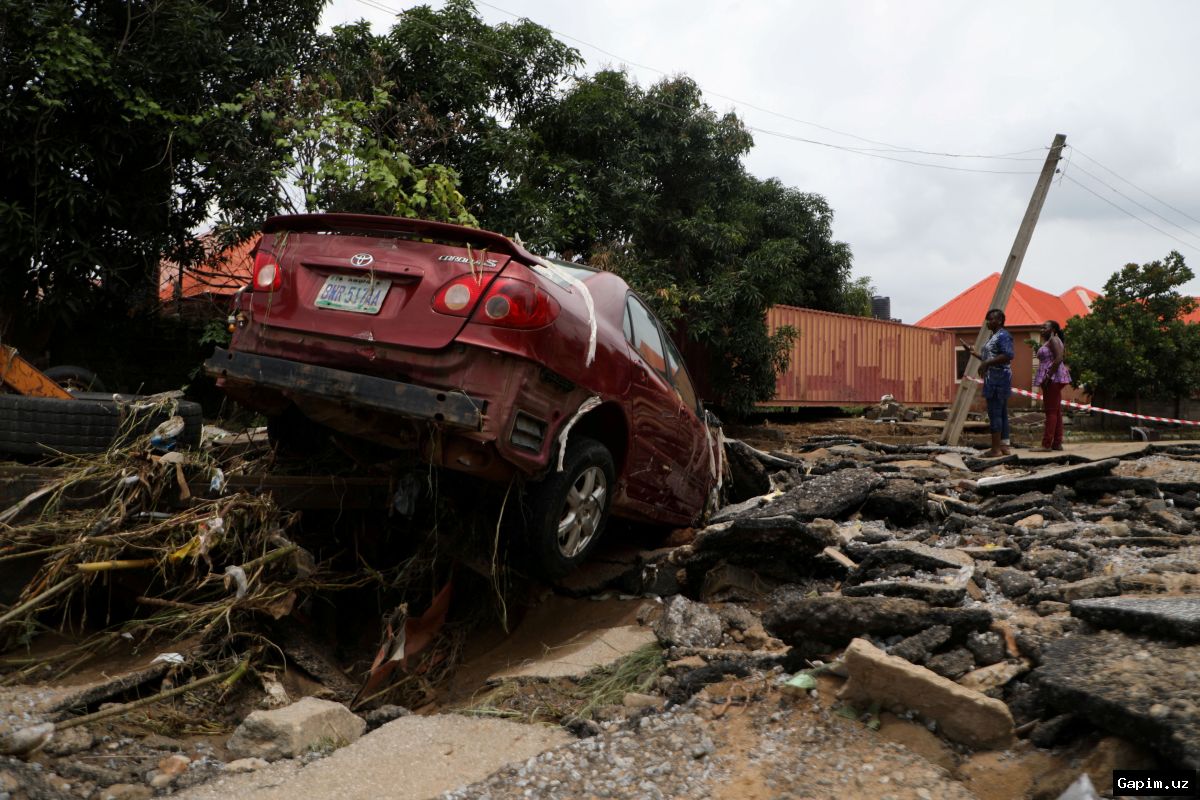
Dozens of people drowned, hundreds were rescued and thousands displaced when floods struck the coasts of West Africa last month. Scientists have now concluded that the rains were supercharged by climate breakdown, turning a routine weather event into a climate catastrophe.
“The climate is changing faster than most nations can adapt,” said Friederike Otto, climate science professor at Imperial College London. “Adapting to these now common events is critical, but so is reducing emissions much further and faster.”
Residents on the Gulf of Guinea coast expect rain from May to July. This year it was particularly heavy, but the downpour that began on June 20 caught people by surprise. Over 72 hours, intense rainfall drenched densely populated coastal regions of Côte d’Ivoire, Ghana, Togo and Nigeria, with over 140mm falling in some cities in less than a day.
The deluge overwhelmed drainage systems, triggering flash floods. From Lagos to Monrovia, neighborhoods were inundated, markets washed away, roads submerged and infrastructure swamped. At least 34 died in Ghana, five in Togo, and 59 in Côte d’Ivoire since May.
The World Weather Attribution team said such a deluge is now five times more likely in today’s climate. Heavy three-day downpours in the region have increased in intensity by roughly 23% since record-keeping began. With the climate 1.4°C hotter than pre-industrial levels, similar rainfall is expected every two to four years.
To quantify the climate crisis’s role, scientists compared historical observations with climate model simulations. Despite models struggling with tropical events, they showed a 4% intensity increase due to climate change. Lead author Joyce Kimutai of Imperial College London said: “This study is a clear example of the need for international cooperation on climate justice. Industrialized nations have a responsibility to help nations like Togo, Côte d’Ivoire and Ghana adapt to a worsening problem they didn’t cause.”
Source: www.theguardian.com