Sudan’s Minister of Human Resources and Social Development, Mutasim Ahmed Saleh, told Al Jazeera Arabic that more than three years of devastating war have “profoundly reshaped” the country’s demographic makeup.
Saleh said his ministry is working with several partners to strengthen population policies and link them to social protection programs.
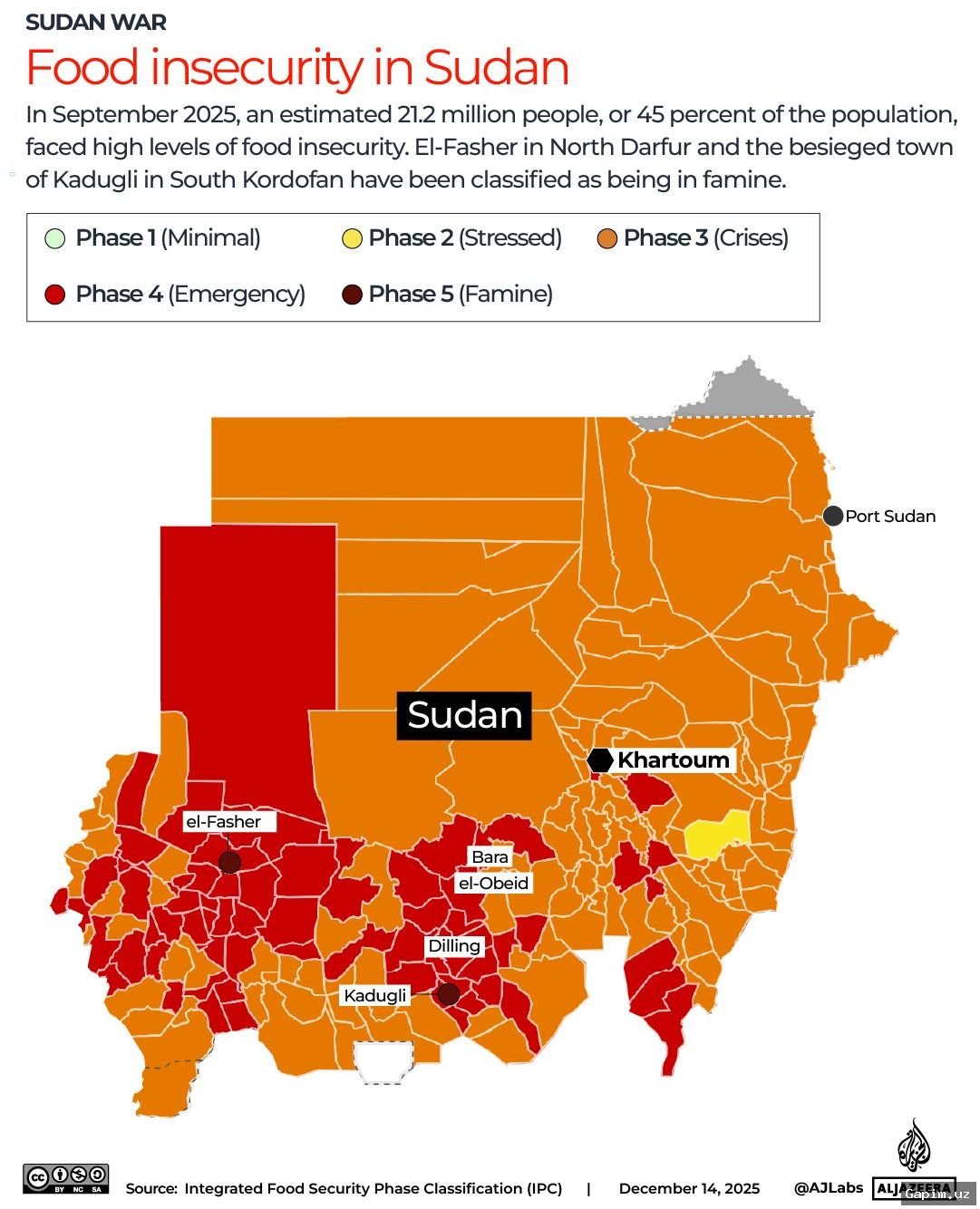
Sudan has been embroiled in a brutal civil war between its army and the Rapid Support Forces (RSF) paramilitary since April 2023. The war is estimated to have killed about 200,000 people and displaced more than 11 million, creating what the United Nations calls the world’s largest humanitarian crisis.
The war has not only displaced millions internally in South Darfur, North Darfur and Central Darfur states, but also forced tens of thousands to seek asylum in neighboring countries, including Egypt, South Sudan and Chad.
Saleh said the most significant demographic changes include a general increase in poverty levels, loss of income for a large segment of citizens, deterioration of basic services in several areas, and a decline in the labor market and human capital.
Marking World Population Day on July 11, the minister said his government would work for the people and strengthen social protection programs. His ministry, through the National Population Council, plans to strengthen population policies and link them to social protection, voluntary return of refugees, reintegration of displaced people, and human resource development.
Experts say Sudan has a large youth population, with about 70% under the age of 30, which could provide a demographic dividend. However, the war has made young people one of the worst-affected groups.
Khalid Saad, director of the Sudanese Center for Development Communication, told Al Jazeera that the population crisis did not start with the war. The country has suffered for decades from an imbalance in population distribution, and the war has deepened this imbalance.
According to the International Organization for Migration, about 4.1 million people have returned to their areas of origin, but the demographic crisis persists due to the loss of economic infrastructure. The war has entered its fourth year with collapsed infrastructure and a worsening humanitarian situation.
Source: www.aljazeera.com