Mogadishu, Somalia – Thousands of reel-to-reel tapes sit in an air-conditioned room in the archive of Somalia’s public radio, Radio Mogadishu, stacked on steel shelves beneath a thick layer of dust. Each reel contains a fragment of Somalia’s 20th-century history, from news bulletins to speeches, music and voices dating back to the early 1950s.
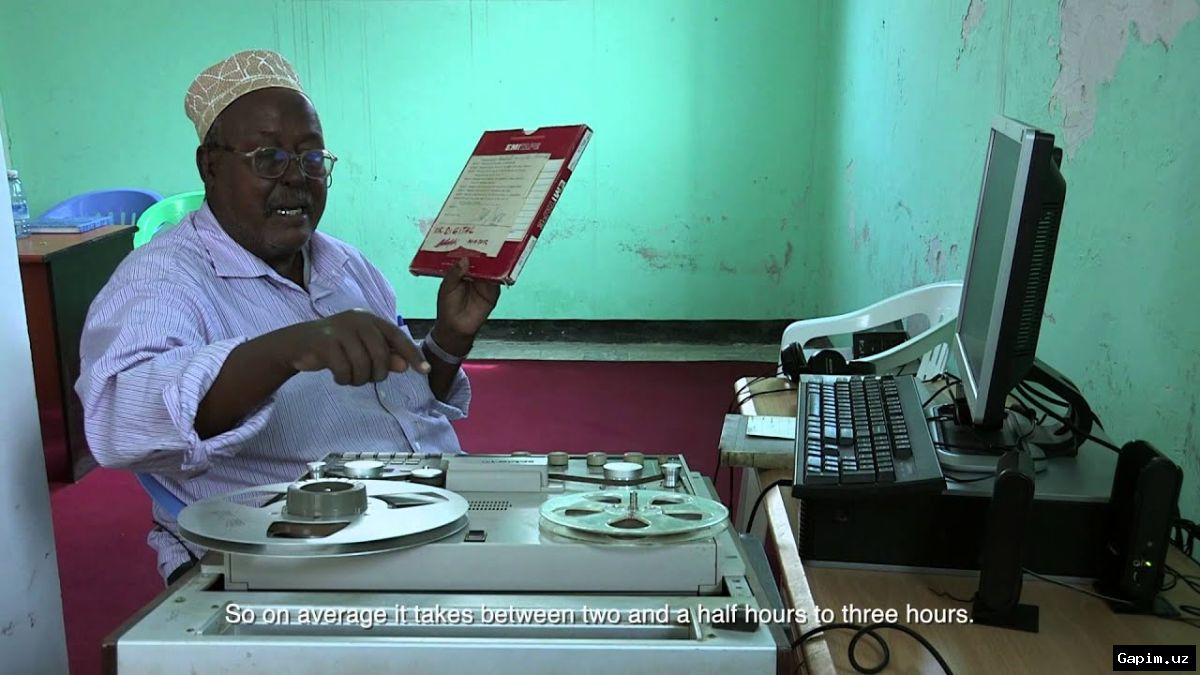
Archivist Abdiqadir Geedi Robleh threads a reel onto an old tape machine, connects it to a computer, and records the contents. He works with a small team to digitize and methodically order approximately 400,000 hours of broadcasts before the magnetic tape deteriorates beyond recovery.
Founded in 1951 during the Italian colonial era, Radio Mogadishu grew into Somalia’s largest and most important public broadcaster. In its heyday, it was among the most influential voices in East African media, reaching audiences as far as Tanzania, Ethiopia, and the Middle East.
An expert assessment in April counted roughly 45,000 tapes and reels, representing an estimated 400,000 hours of material. More than 85% remain playable, but around one in 10 has deteriorated, and more than 5% has been destroyed or severely damaged, according to UNESCO.
The digitization drive began as early as 2012 but has been held back by a lack of resources. Only about 10% of the archive has been converted so far. UNESCO and Somalia’s information ministry are working to register the archive with UNESCO’s Memory of the World programme.
Historian Iman Mohamed says the destruction of archives during the civil war has left an enormous gap in Somalia’s documentary record. Preserving the archive matters for the youth who will never have known the world that Radio Mogadishu broadcast in its heyday.
Source: www.aljazeera.com