Houthi leaders in Yemen have declared a naval blockade against Saudi Arabia, effective immediately. The announcement came days after the group threatened a “siege” in retaliation for an attack on Sanaa International Airport last week.
In their statement, the Houthis said the blockade was based on “an eye for an eye” and accused Saudi leaders of imposing “an unjust and oppressive siege” for nearly 12 years. The group expressed “complete readiness for all options” and warned that any “foolish” Saudi act would be met with a “comprehensive and decisive” response.
The declaration follows a series of escalations: the Houthis blamed Saudi Arabia for the airport attack, then fired ballistic missiles at Abha International Airport. The Saudi-led coalition claimed to have intercepted the missiles. This came after fighting in Hodeidah threatened a fragile truce.
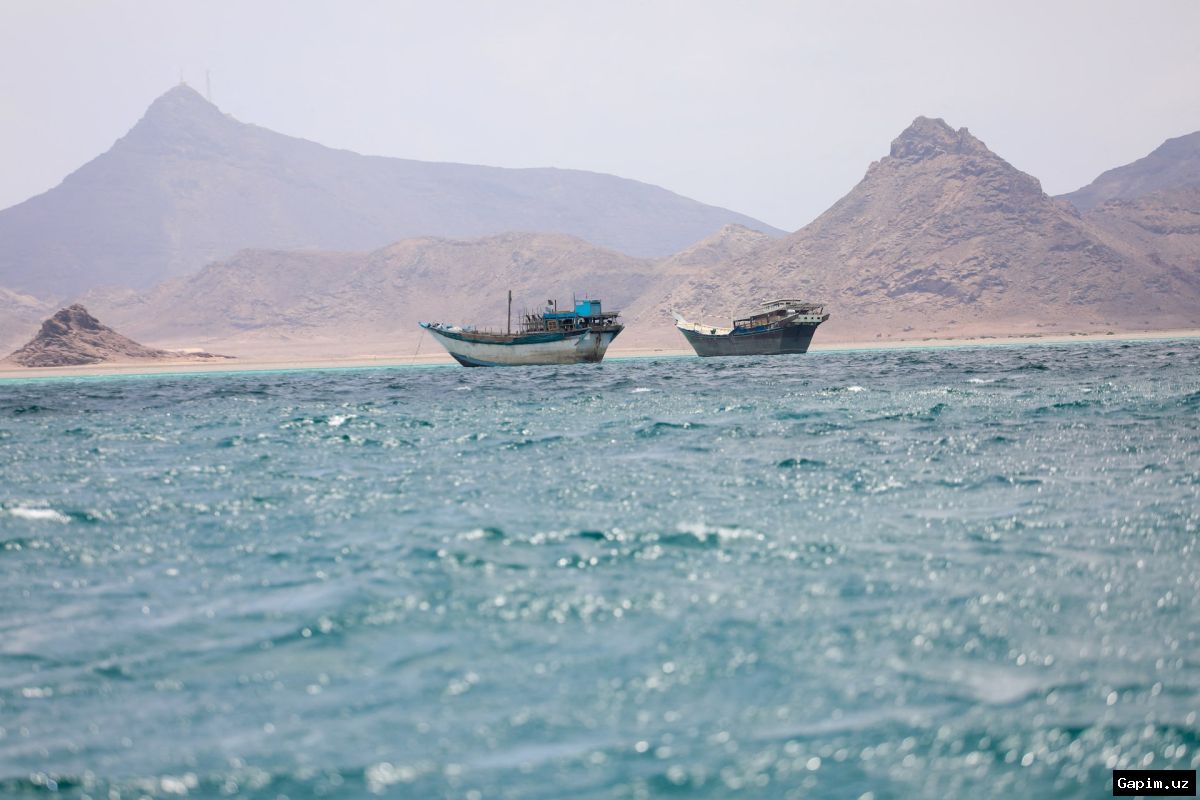
It is unclear how the Houthis will implement the maritime blockade, but it could signal a return to attacks on international shipping off the Yemeni coast. The group disrupted global commerce in 2023 by attacking ships around the Bab al-Mandeb Strait following Israeli attacks on Gaza.
The Bab al-Mandeb chokepoint is one of the world's most important shipping routes. In 2024, about 4.1 billion barrels of crude oil and refined products passed through the strait. Combined with the Strait of Hormuz blockade, shutting down Bab al-Mandeb could block 25% of global oil and gas supply.
The blockade is likely to further hamper Saudi Arabia's crucial oil exports. The kingdom has been seeking alternative routes since the US-Israeli war on Iran blocked the Strait of Hormuz. Shipments from Yanbu port through Bab al-Mandeb have surged to 4 million barrels per day recently.
The Houthis called for general mobilization and readiness for all scenarios, marking a new phase in the long-running war between the Iran-aligned group and the Saudi-led coalition.
Source: www.aljazeera.com