Nigel Farage and his right-wing Reform UK party have been hit by a series of scandals following the disclosure of an undeclared personal gift of £5 million ($6.7m) from cryptocurrency billionaire Christopher Harborne. The gift, received before Farage became a member of parliament, adds to some £25 million ($33.6m) in direct party funding from Harborne.
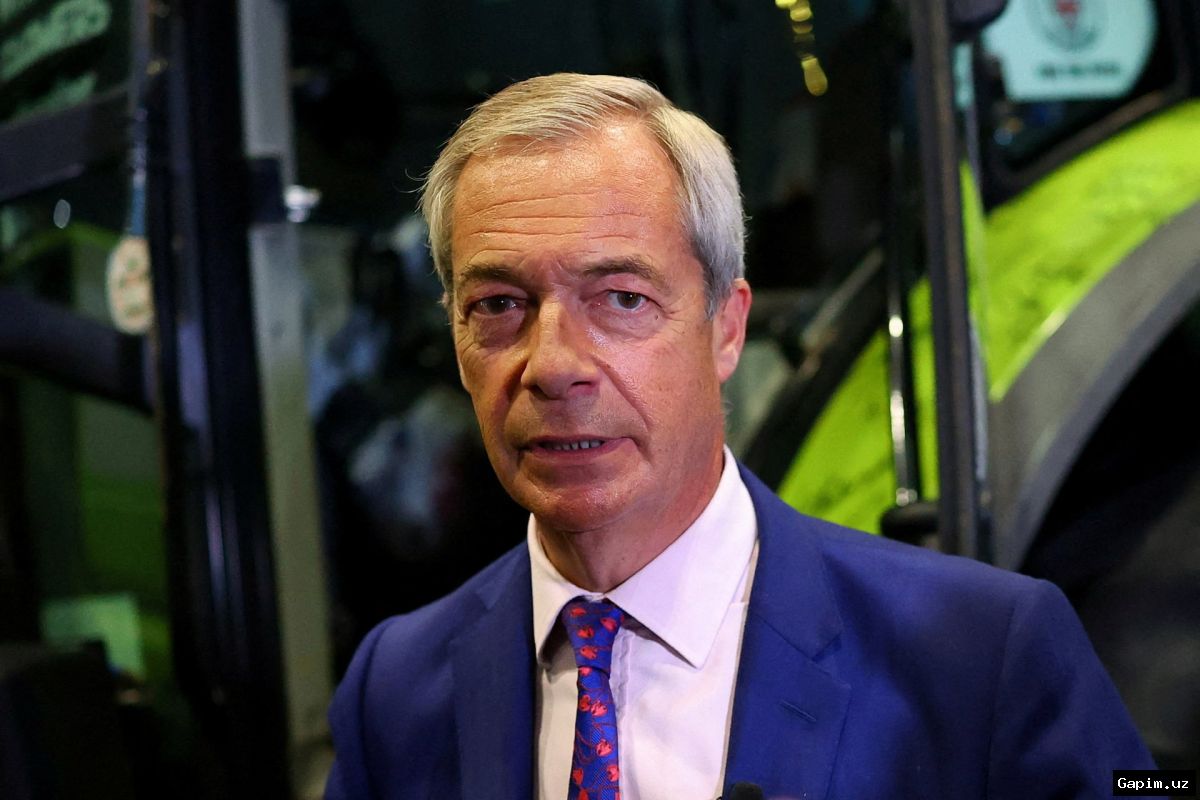
Amid growing controversy over funding and his close association with convicted fraudster George Cottrell, Farage resigned from Parliament and is campaigning to regain his seat, framing it as himself versus “the establishment”. However, all other leading UK parties dismissed the move as a stunt and refused to field candidates, leaving Farage’s main opponent as satirical novelty candidate Count Binface.
Meanwhile, both criminal and parliamentary investigations into the donations continue, with scrutiny focusing on Farage’s ties to Tether, Harborne’s “stable” cryptocurrency widely linked to drug cartels, fraud and human trafficking — claims the company disputes.
“Farage and Reform are in a significant amount of trouble, and I think it’s only now beginning to dawn on them how much,” Sam Power, an expert in political financing at the University of Bristol, told Al Jazeera. Power said the Harborne scandal hurt Reform in the Makerfield by-election, where their candidate lost. “Politicians often assume that standards and ethics will never make the top 10 of voter concerns, but they do,” she added.
Economist Frances Coppola explained that “the political underpinnings of crypto are essentially anarcho-capitalism”, born from the 2008 financial crisis as a way to separate money from banks and central banks. This makes crypto intrinsically attractive to far-right and libertarian politicians.
A 2024 UN report concluded that Tether is the “preferred choice for crypto money launderers” in Southeast Asia, used in human trafficking and scams. “Crypto remains the currency for fraud,” said David Gerard, author of the Pivot to AI blog. Tether stresses it works with authorities to combat illicit use.
Farage has been documented using a meeting with Bank of England Governor Andrew Bailey to push back against plans for a central bank digital currency that would compete with Tether. The party denies wrongdoing. The Bank of England confirmed no decision has been made on a digital pound.
“We should be worried about politicians that are too close to crypto,” said Lucy Harley-McKeown, cofounder of Project Glitch, citing the influence of crypto-funded PACs like Fairshake in the US. “It’s not inconceivable that one day we could even be looking at a Farage Coin,” she added.
Source: www.aljazeera.com