Residents across Europe have struggled to sleep during the latest record heatwaves. As the planet continues to warm, sleep deprivation could create an epidemic of mental and physical ill-health.
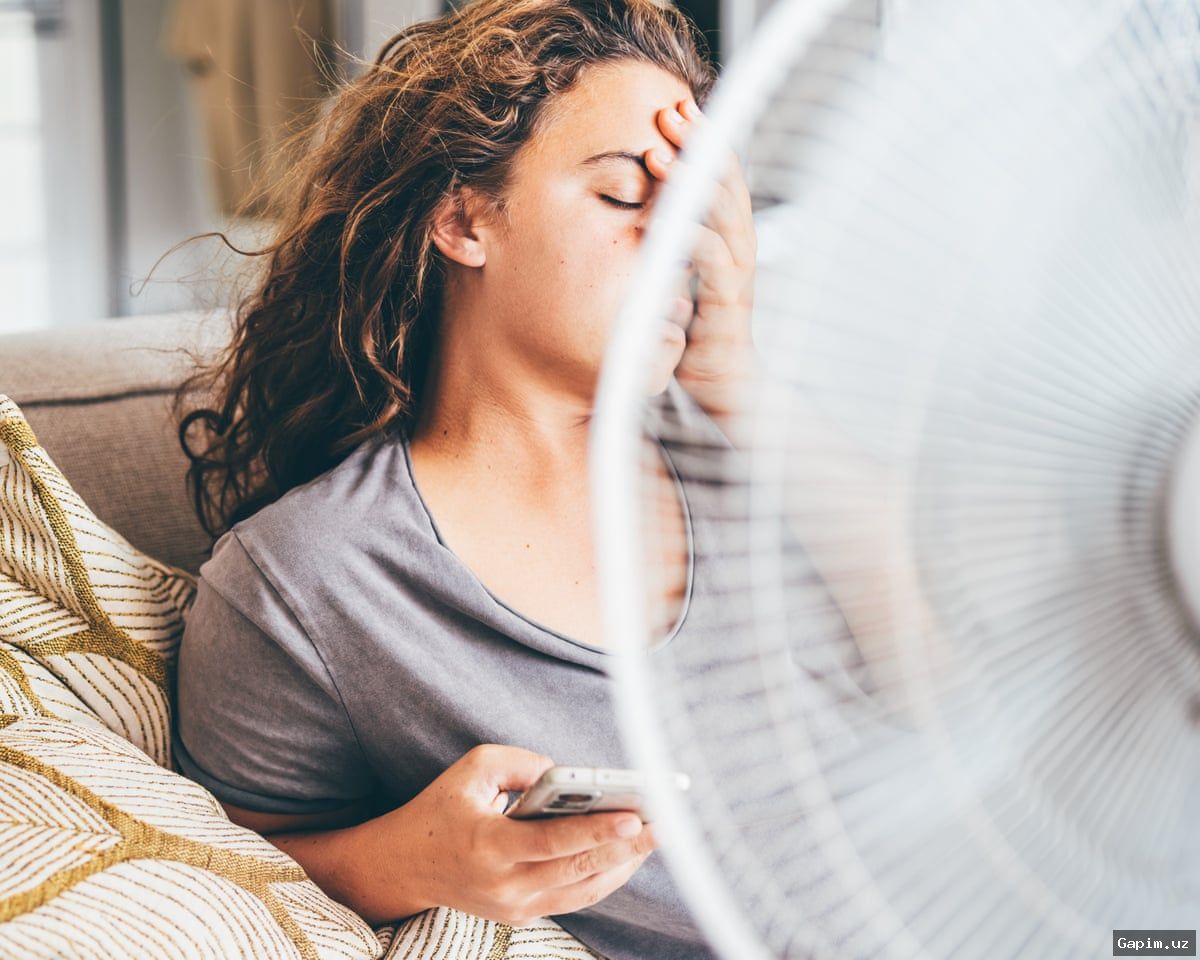
During the June heatwave that brought record temperatures to western Europe, around 65% of adults in the UK struggled to sleep, according to a recent poll. Nearly half lost three or more hours of sleep a night.
Sleep disruption is an inevitable consequence of longer and hotter summers fueled by human-made climate change. As the fastest-warming continent heating at more than double the global average, Europe is a sleep loss hotspot.
In the German state of Saxony in June, a weather station reported a tropical overnight minimum temperature of 29.4°C. Such overnight extremes are now 100 times more likely due to climate change, notes World Weather Attribution.
A global team of researchers collated 165 million nights of data from sleep trackers and showed that when nighttime temperatures rise from around 12°C to 27°C, people face about a 40% higher chance of sleeping less than six hours.
Experts warn that disrupted sleep can increase risks of diabetes, depression, heart disease, and obesity. Nights are warming faster than days, exacerbating the problem.
Low-income populations are more vulnerable, living in poorly ventilated homes or lacking cooling. Even within wealthy nations, the poor may be three times more affected by heat on sleep.
Mitigation measures include fans, air conditioning, breathable bedding, building insulation, and reducing heat-trapping concrete. Green spaces and reflective surfaces are also vital structural solutions.
Source: www.dw.com