Germany's government is pouring billions into modernizing its military, the Bundeswehr, but critics warn that slow procurement processes could derail these efforts.
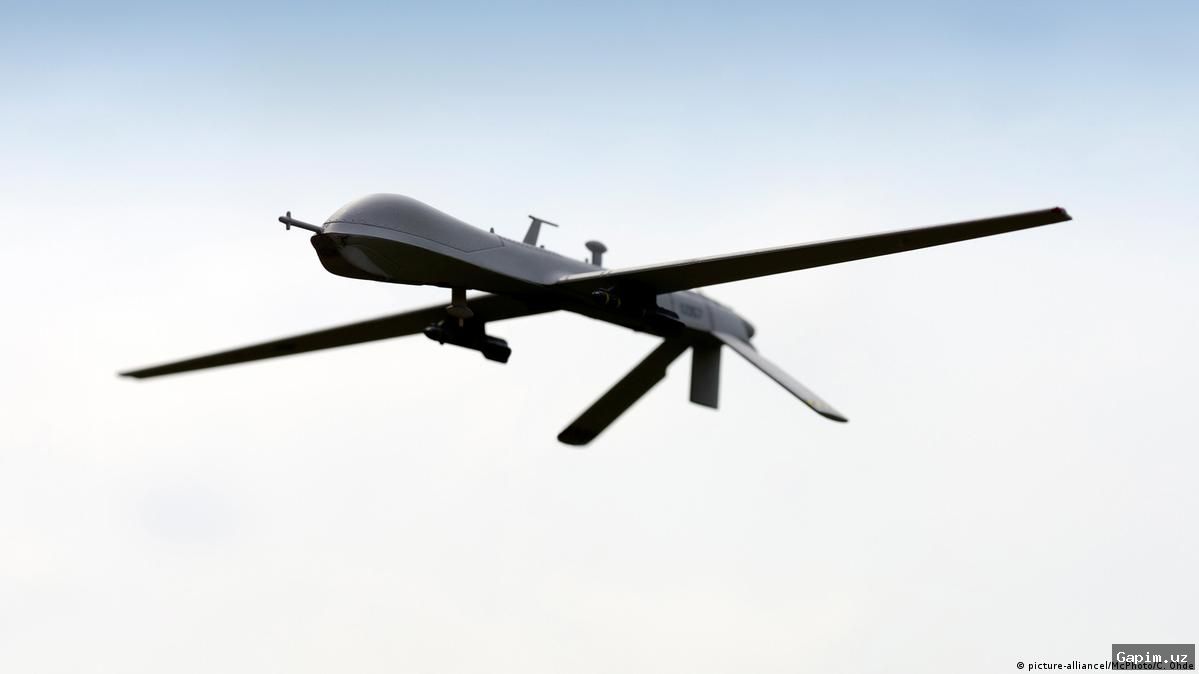
The wars in Ukraine and Iran have demonstrated that cheap drones costing tens of thousands can be effective against weapons that cost millions to develop. Ukrainian air defenses, for instance, have held their own against Russian attacks despite a shortage of fighter jets.
Germany has massively boosted defense spending: on top of the €100 billion special fund announced in 2022, regular spending is set to rise from €62.4 billion in 2025 to €82.7 billion in 2026, and to €152 billion by 2029.
Critics question whether this money is being spent wisely, especially after the €100 billion FCAS Franco-German fighter jet project was scrapped in June.
Defense analyst Nico Lange gave a scathing assessment: "It's the same dysfunctional system as before. They're just pouring significantly more money into it. Unless you change the structures of military planning and procurement, nothing better will come of it."
Social Democrat MP Andreas Schwarz, after a visit to Ukraine, said debates about Taurus missiles or Leopard tanks have become irrelevant: "In Kyiv, no one asked about cruise missiles or tanks. They need help with drones, ammunition, IT modernization, satellites, and communications."
However, experts argue that heavy weapons are not obsolete. Max Becker of DGAP says tanks and artillery remain crucial for holding territory and long-range strikes.
German defense procurement is notoriously slow and bureaucratic. A new Military Procurement Acceleration Law aims to decentralize purchases and reduce paperwork.
Becker emphasizes the need for agile industrial capacity: "You can't just buy a million drones. You need a stockpile for training and the ability to ramp up mass production within four to six weeks."
Source: www.dw.com