On June 22, UK Prime Minister Keir Starmer announced his resignation outside 10 Downing Street, ending a tumultuous two-year tenure. Just two years earlier, he had led the Labour Party to a historic landslide victory, but internal party dissent and falling approval ratings forced him out. Starmer became the sixth British prime minister in the last 10 years.
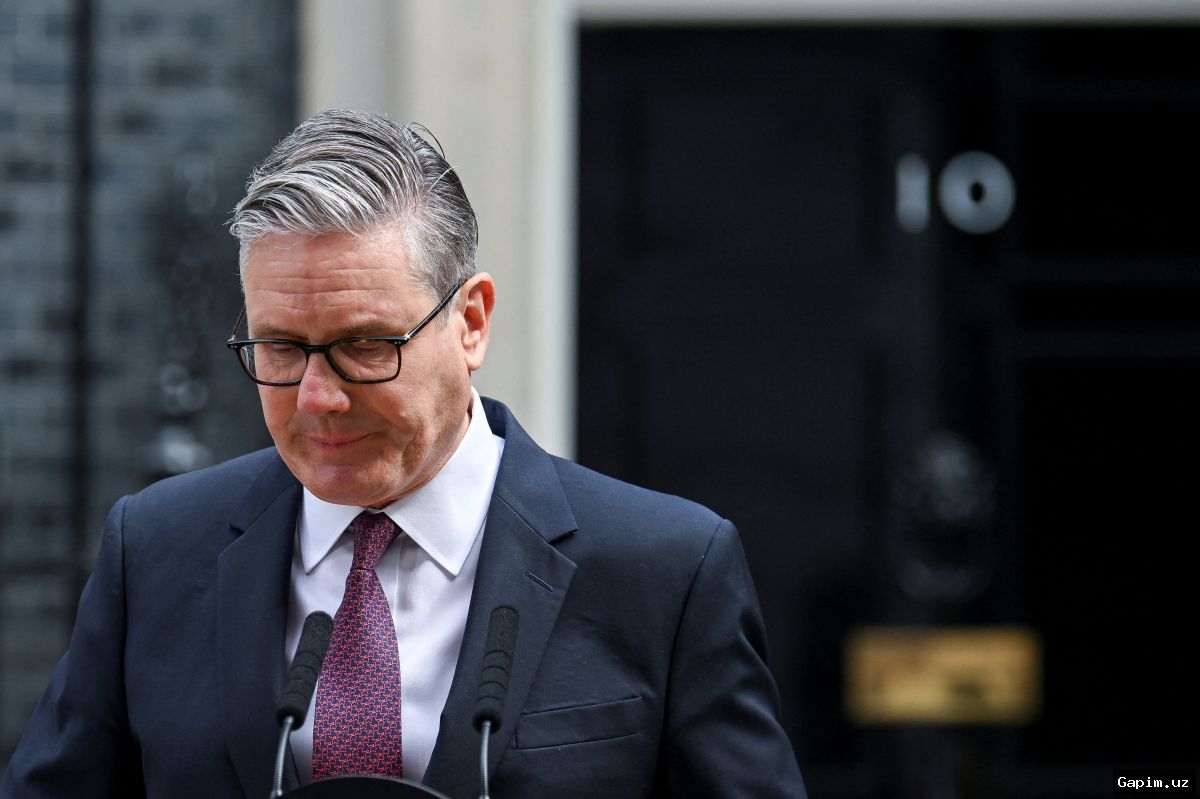
On July 20, King Charles III formally accepted Starmer's resignation and appointed Andy Burnham as the new prime minister. Burnham won the Labour Party leadership contest after Starmer stepped down.
The period of political instability began in 2016 with the Brexit referendum. Since then, no prime minister—David Cameron, Theresa May, Boris Johnson, Liz Truss, Rishi Sunak, and Keir Starmer—has lasted more than three years. Reuters reports this is the fastest turnover of leaders in nearly two centuries.
Each resignation has its own causes: economic stagnation, party infighting, and scandals. After the 2008 financial crisis, the UK economy grew slowly, followed by Brexit, the pandemic, and energy price spikes due to the Ukraine war. Each new leader inherited a poorer treasury and angrier voters.
In the UK system, the prime minister is not directly elected. Voters only elect MPs, and the leader of the party with a majority becomes PM. Party leaders are chosen through internal elections. This system allows for rapid changes.
Theresa May failed to pass her Brexit deal three times and resigned in 2019. Boris Johnson delivered Brexit but was forced out in 2022 after the "Partygate" scandal and mass resignations. Liz Truss's mini-budget caused a financial crisis, and she resigned after 49 days. Rishi Sunak reduced inflation but lost the 2024 election badly.
Keir Starmer won the 2024 election but his government's popularity quickly declined. Plans to raise taxes and cut winter fuel payments for pensioners sparked backlash. The appointment of Peter Mandelson as ambassador to the US caused a scandal due to his ties with Jeffrey Epstein. In spring 2026, Labour lost local elections, and Starmer resigned.
Political scientist Tim Bale attributes the rapid turnover to changing dynamics: "Voters and politicians now focus more on party leaders than parties themselves. MPs want quick fame and blame leaders for failures." Historian Anthony Seldon warns that Britain is in a "deep hole" and if Burnham fails, the outlook is bleak.
Source: www.gazeta.uz