Most people associate the plague with the Black Death that ravaged Europe in the Middle Ages. However, the disease persists today, notably in Madagascar, and remains just as lethal.
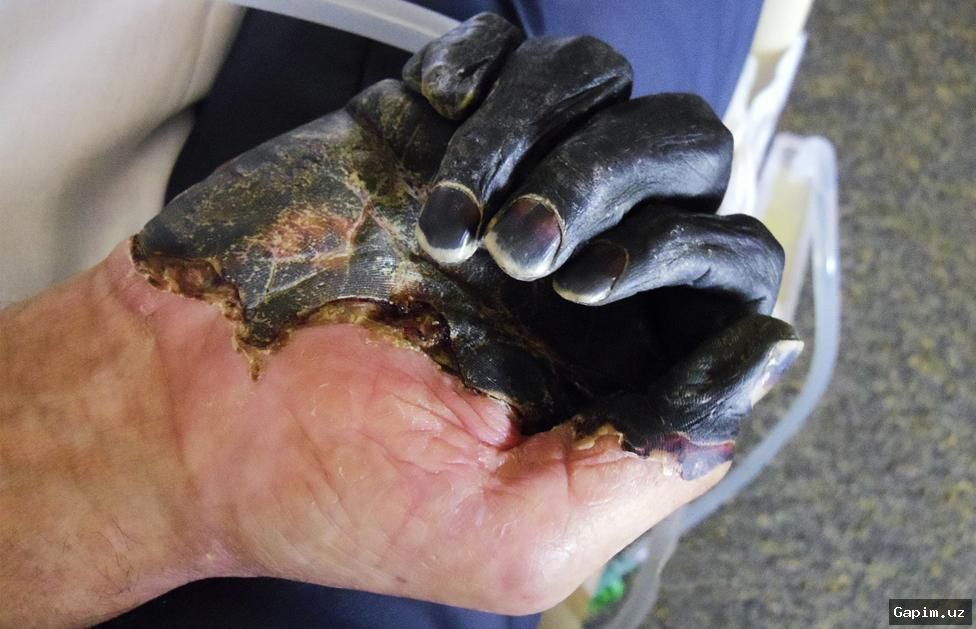
Paul Gaylord initially mistook his symptoms for the flu. Two days earlier, he had been bitten by his cat, which appeared ill. Prescribed antibiotics for cat scratch fever, the medication failed. Gaylord's condition deteriorated, leading to intensive care and a coma. Doctors eventually diagnosed him with plague, a disease more commonly linked to the 14th century than modern-day Oregon, USA.
Caused by the bacterium Yersinia pestis, the infection spreads rapidly through the body via several routes. The bacterium damages organ tissue and causes bleeding. Without treatment, it is nearly 100% fatal.
The most common form, bubonic plague, is transmitted by fleas that bite infected rodents and then humans. Yersinia pestis travels through the lymphatic system, causing painful swellings. Septicemic plague occurs when the pathogen enters the bloodstream, while pneumonic plague spreads through airborne droplets and is the only form transmissible between humans.
According to Germany's Robert Koch Institute, approximately 3,000 plague cases were reported globally between 2010 and 2015, resulting in over 500 deaths. The most affected regions include the Democratic Republic of the Congo, Uganda, and especially Madagascar, which experienced a major outbreak in 2017.
During the Late Middle Ages (1346–1353), the plague killed an estimated 25–50 million people, wiping out up to half of Europe's population. The last flea-borne cases in Europe were recorded in France and Italy in 1945.
Holger Scholz, a molecular biologist at the RKI, attributes the low incidence in Europe to the fact that infected rodents no longer share human dwellings. However, he warns that if the pathogen were genetically engineered and used as a biological weapon, the risk could escalate dramatically. His center also focuses on bioterrorism preparedness, using genome analysis to distinguish natural strains from manipulated ones.
Source: www.dw.com