The rapidly intensifying El Niño weather system is likely to drive around 50 million people into acute hunger by the end of next year, according to a new analysis by the United Nations World Food Programme (WFP). This comes on top of the hundreds of millions already facing dangerous levels of food insecurity due to years of drought in parts of Africa and rising food prices exacerbated by conflict.
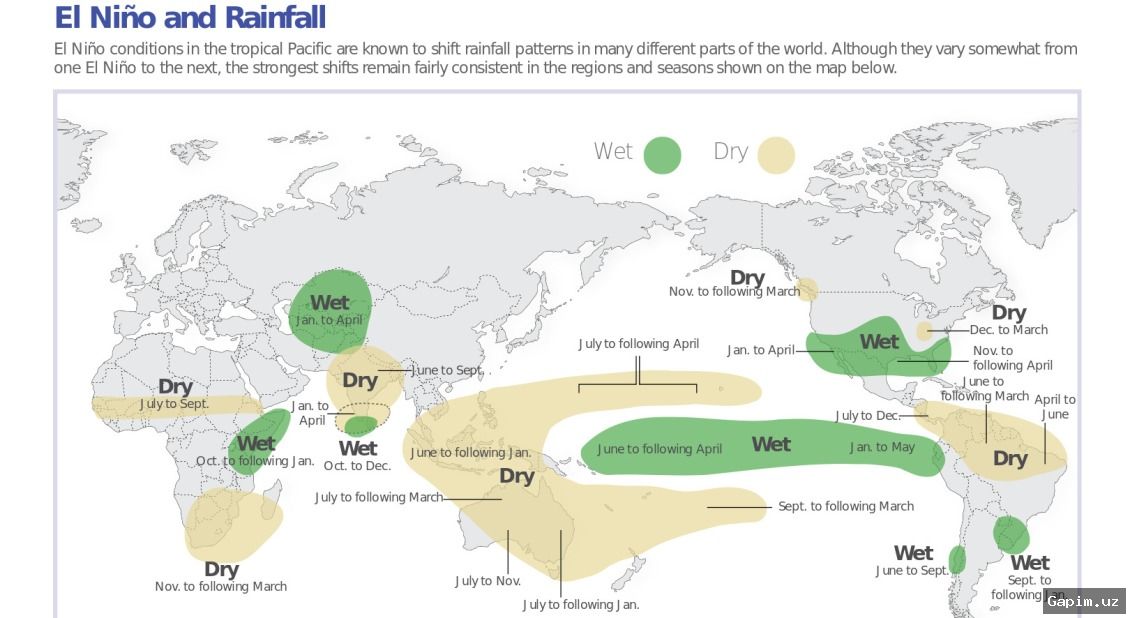
Even if the forecast El Niño proves weaker than some models suggest, it could tip many countries over the edge, increasing by more than a fifth the 225 million people in 45 countries currently experiencing acute food insecurity. Central and South America, the Caribbean, and southern Africa are expected to be the hardest hit, with reduced rainfall likely in South and Southeast Asia, causing serious problems for agriculture.
This year's El Niño – a climate pattern that develops every few years in the Pacific Ocean and alters rainfall patterns worldwide – is shaping up to be the strongest in at least 70 years. Some scientists are calling it a "super El Niño," though the term is not officially recognized. Its impacts are being amplified by the climate crisis, and experts have warned that 2026 or 2027 could see the hottest year on record.
The WFP is hoping to mitigate the effects through early warning systems and "anticipatory" relief efforts, with at least $80 million budgeted. However, the consequences will be far-reaching, as farmers may take more than one season to exhaust their food supplies. In southern Africa, the main growing season runs from October this year to March 2027, but the worst impacts will be felt about nine months later, during the lean season following the harvest.
"The biggest food security impact in southern Africa will be during the 2027 to 2028 lean season," said Richard Choularton, the WFP's director of climate and resilience service. Farmers may be somewhat cushioned by the lingering benefits of last year's unusually good harvest. "At the end of 2025, food prices were in favorable ranges, though there has been upward pressure from the war in the Middle East," noted Jean-Martin Bauer, the WFP's director of food security.
During the 2015-16 El Niño, between 60 and 100 million people were affected by acute food insecurity. The WFP has since improved its anticipatory actions, hoping to reduce the impact this time. However, efforts have been hampered by a lack of data due to funding cuts. The WFP's data covers 45 countries where baseline food insecurity estimates are available, but impacts could extend beyond these areas.
Food prices could come under pressure globally. "It's very important to avoid a situation where large countries stop food exports," Bauer warned. In the UK and Europe, farmers have been alerting to the impact of extreme heat and low rainfall on harvests, with retailers bracing for higher prices.
Source: www.theguardian.com