Images of violent unrest in France have circulated globally, drawing widespread condemnation of smashed windows, looting, and fires. However, reducing these events purely to opportunistic criminality ignores the deep-seated public anger born from years of deteriorating living conditions and unmet societal demands that have steadily simmered across the nation.
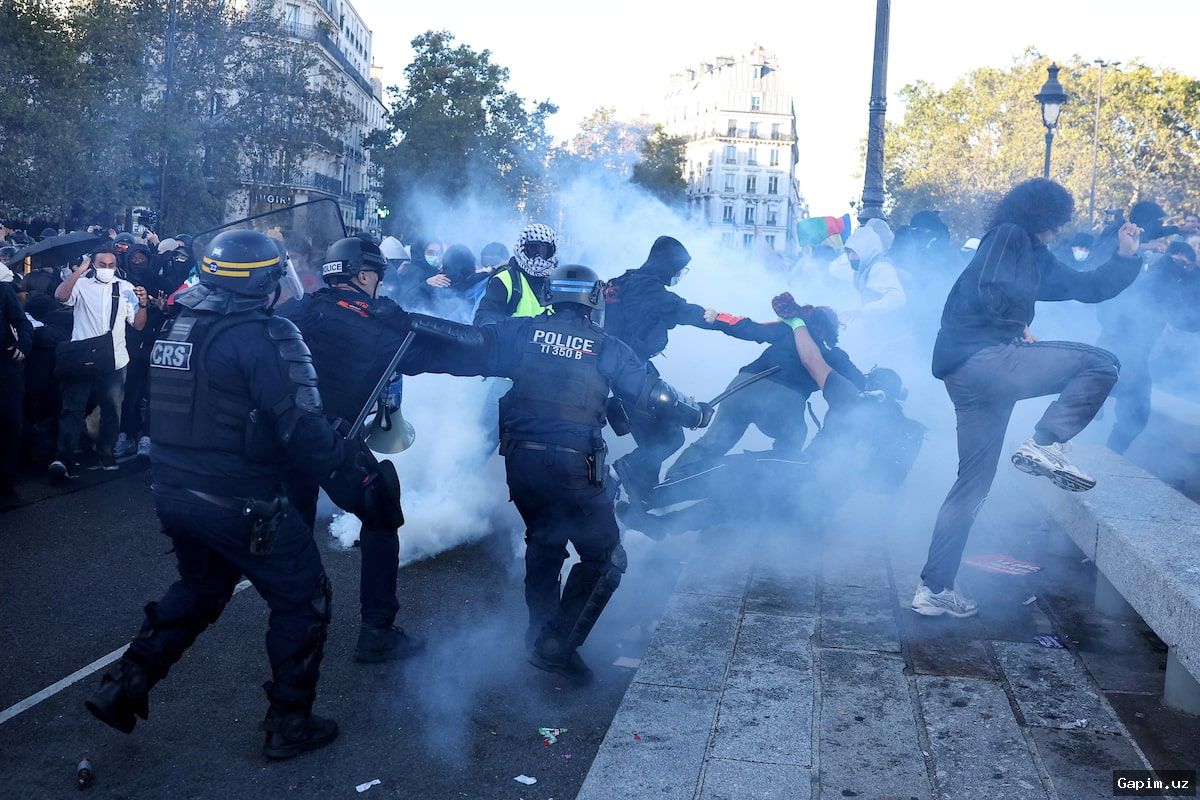
The French regime has allegedly leveraged these violent incidents to justify an overly securitized police response, utilizing the chaos to deflect accountability for its own policy failures. While leaders pose as defenders of public order, this narrative attempts to delegitimize the broader student mobilization and obscure the brutal police tactics deployed against minors and protesters alike.
The staggering scale of detentions, involving tens of thousands of police officers and thousands of arrests—a significant portion of whom are minors—marks this as one of the most heavily repressed movements of the century. Numerous reports detail severe injuries inflicted by police munitions, including fractured jaws, lost vision, and mutilated hands among teenagers participating in or caught near the demonstrations.
Beneath the visible friction lies the quiet violence of severe social deprivation. Poverty rates have climbed to their highest levels since the 1990s, with nearly 10 million people living below the official poverty line while extreme wealth remains heavily concentrated. This decay has severely impacted educational infrastructure, leaving schools with crumbling facilities, undrinkable water, severe teacher shortages, and millions of unfulfilled teaching hours.
Rather than addressing these structural grievances, the administration under Emmanuel Macron has doubled down on security measures, deploying tens of thousands of officers and threatening protest bans while accusing the political left of undermining the republic. Observers note that this hardline strategy aims to exhaust the opposition rather than reform an unequal system, leaving citizens trapped between economic hardship and heavy-handed state control.
Source: www.aljazeera.com