Narmer is remembered in history for the formation of the unified Egyptian state, Khufu for the Great Pyramid at Giza, and Tutankhamun for his tomb discovered millennia later. Ramesses II supposedly demonstrated his power through grand temples and military campaigns, while Cleopatra allegedly attempted to preserve Egypt's independence during the rise of Rome.
Throughout the nearly three-thousand-year history of Ancient Egypt, numerous rulers came to power. Some of them reportedly altered the political direction of the state, while others left behind monuments that became crucial sources for studying this ancient civilization.
In the 4th millennium BC, the political centers of Upper and Lower Egypt took shape in the Nile Valley. Narmer, who ruled around 3100 BC, is considered a key historical figure associated with the unification of these two regions. The most important archaeological evidence of his reign is the Narmer Palette, a carved stone slab, though it remains unconfirmed whether the unification was achieved through warfare, diplomacy, or a combination of both.
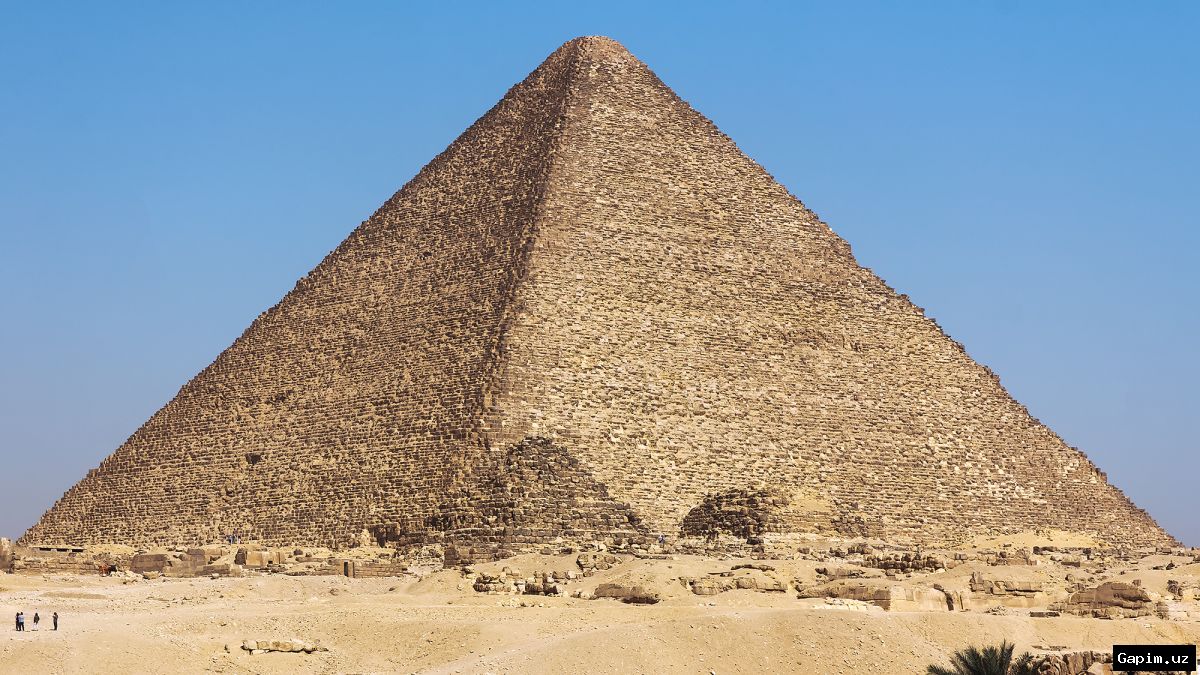
Pyramids remain the most famous symbol of Ancient Egypt. Khufu, who ruled approximately from 2589 to 2566 BC, led the construction of the Great Pyramid at Giza. Erecting such massive structures required an immense mobilization of labor, food, stone, and logistical coordination across the region.
Source: kun.uz