Italy has reaffirmed its decision to maintain temporary border controls with Spain, despite Madrid's threats of retaliation, following the deadly influx of thousands of migrants into the Spanish enclave of Ceuta. In a statement on Friday, the Italian government said it would not bow to "ultimatums or impositions" from Spain and would keep the controls in place until at least August 15.
The refusal came hours after the Spanish government issued a two-day deadline for Italy "to rectify, put an end to the checks and treat Spaniards like other European citizens." Spain's statement warned that if Italy did not comply by Sunday, August 9, Madrid would be "obliged to adopt proportional measures to protect the interests and dignity of its citizens."
The diplomatic tit-for-tat unfolds as Spain continues to grapple with the aftermath of the arrival of some 72,000 people who crossed into Ceuta from Morocco last week, on foot and by sea. The mass arrivals in the North African enclave have angered EU leaders with hardline anti-migration stances, including Italy's far-right Prime Minister Giorgia Meloni, who described the border checks as an "extraordinary measure" to "safeguard national security."
However, experts have noted that the likelihood of migrants traveling from Ceuta to Italy is minimal, given that the two countries do not share a land border. Rights groups have dismissed Meloni's move as "political theater." Nevertheless, 22 EU member states signed a joint letter accusing Spain of creating "pull factors" that destabilize the bloc's borders.
The majority of the Ceuta migrants have since returned to Morocco, with authorities reporting at least 100 deaths. On Friday, Spain also announced that its police had dismantled a people-smuggling operation believed to have brought 2,000 migrants into the country via the southeastern coast and the island of Ibiza.
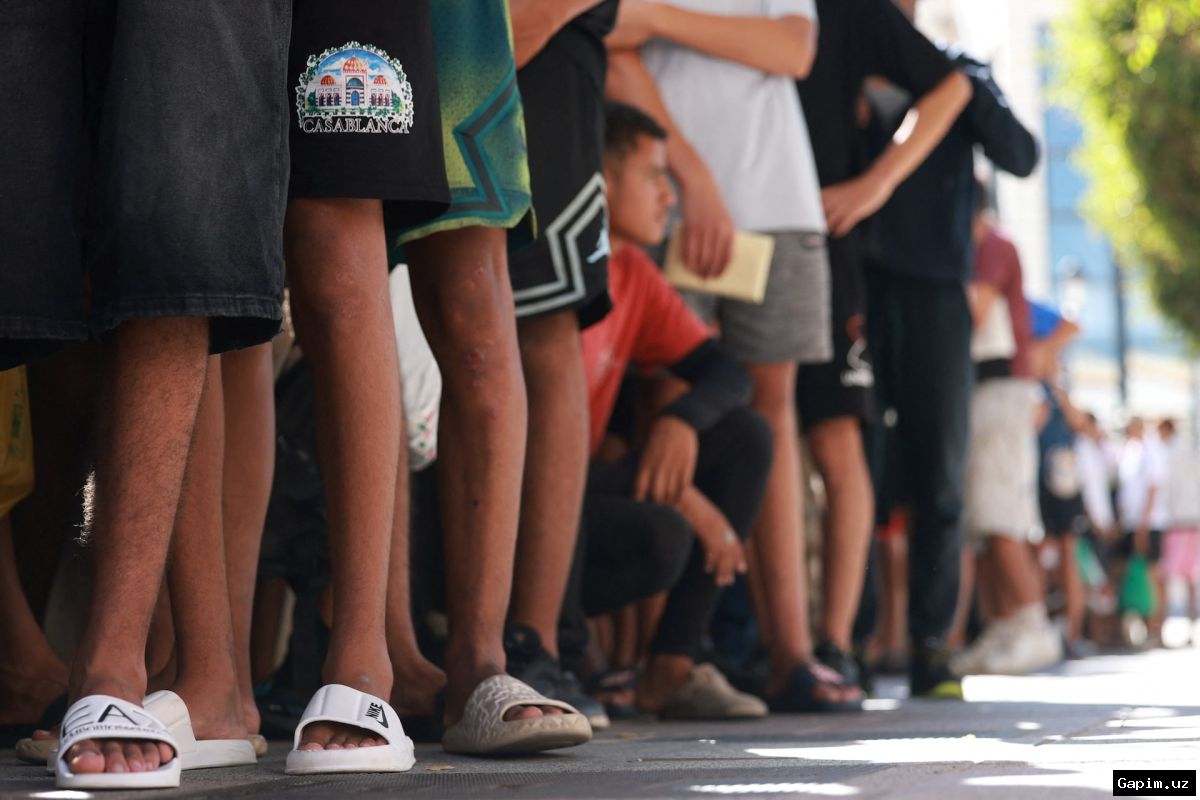
Amid the political fallout, Spanish leaders are confronting a humanitarian crisis that persists in Ceuta. Of the few thousand undocumented migrants remaining in the enclave, at least 1,342 are children, according to Youth Minister Sira Rego, with hundreds unaccompanied. Rego acknowledged the "painful images" of children sleeping on Ceuta's streets and noted that two schools had been opened as temporary reception centers, with more locations under evaluation.
Ceuta authorities say at least 1,100 children need assistance, yet the enclave's theoretical capacity is only 90 places. "It might only be a matter of a few weeks before we start seeing [children] transferred to and welcomed on the mainland," Rego told reporters. Local and international charities have warned that these children face risks of abuse and exploitation.
Jose Miguel Morales, head of the migrant rights group Federacion Sur Acoge in southern Spain, said some children are under 14 and have already been beaten and assaulted. The transfer of children to the mainland has become a domestic flashpoint in Madrid, where Prime Minister Pedro Sanchez's government approved 25 million euros ($29 million) to support unaccompanied minors. Far-right Vox party leaders have opposed any aid, with leader Santiago Abascal writing on X that "not one euro from Spaniards" should go "for illegals, for invaders."
Source: www.aljazeera.com