John Ternus officially became Apple's chief executive on Tuesday, inheriting a company that dominates the smartphone market but trails rivals in artificial intelligence. His tenure begins amid significant challenges, including balancing Apple's reliance on China while navigating intense political pressure from the White House.
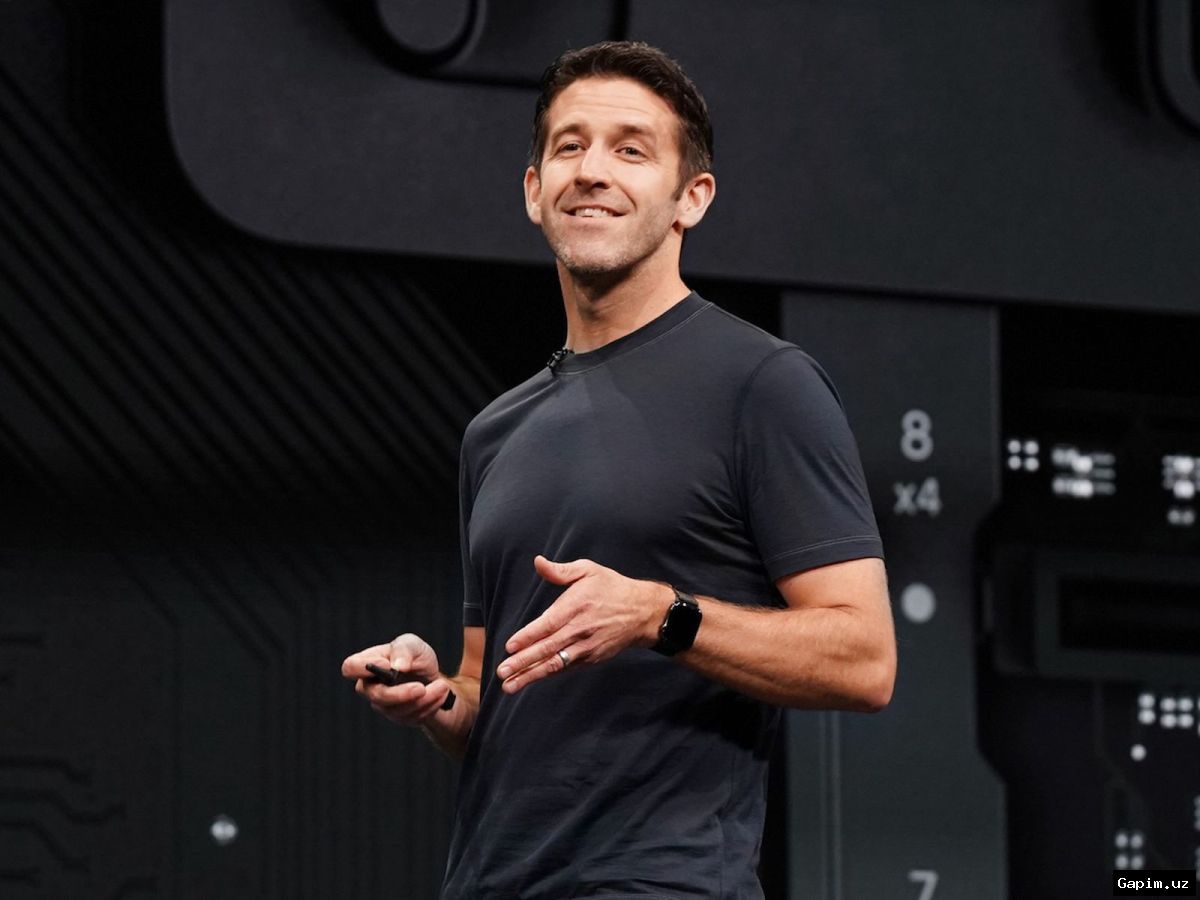
The handover ends Tim Cook's 15-year leadership, replacing the operations specialist who built Apple's supply chain with the engineer who designed its hardware. Ternus, 51, joined Apple's design team in 2001 and rose to senior vice president of hardware engineering, reporting directly to Cook. He now leads the engineering teams behind Apple's entire product lineup, including the iPhones that generate most of the company's revenue.
Ternus has barely a week to settle in before Apple's annual iPhone event on September 9, where the company is expected to unveil its first foldable handset. Dan Ives, partner and senior managing director at investment firm Yorkville Ives & Co., noted that Cook left the company in phenomenal order, but now it's about Ternus defining the AI chapter. Ives predicts Ternus will focus on hardware innovation while maintaining Cook's supply chain strategy.
Some analysts argued that software chief Craig Federighi was a more logical choice for a company scrambling to catch up on AI. However, Carolina Milanesi, an analyst at Creative Strategies, dismissed this view, stating that consumers are still buying hardware first, and that will continue for a long time. She emphasized that you won't discover the value of AI if you're not interested in the hardware.
Cook echoed this sentiment in a final memo to employees on Monday, writing that few people understand what it takes to build products that change the world the way John does. Ternus earned a bachelor's degree in mechanical engineering from the University of Pennsylvania and worked as an engineer at Virtual Research Systems before joining Apple. Inside the company, he is credited with driving efforts to make products more durable, reliable, and resilient, as well as design work that reduced their carbon footprint.
The harder question is what kind of leader Ternus will become. Milanesi noted that even people who know him now don't know him as a CEO, as the role brings greater responsibility and power. The biggest gap is in the geopolitical role Cook excelled at, courting both Beijing and Donald Trump's White House to protect a supply chain that runs largely through China. Apple's manufacturing operation is among the most complex in corporate history, a web of hundreds of suppliers and assembly lines that Cook painstakingly built over decades.
In recent years, Cook began shifting some production to India and Vietnam, but diversification has been gradual, with China still anchoring the system. Trump has repeatedly demanded Apple build iPhones on US soil, threatening tariffs on overseas production. Cook avoided the heaviest blows of Trump's trade war by cultivating the president directly, making US investment commitments and political donations while keeping Beijing onside. This tricky political terrain will be new for Ternus, who knows Apple Park well in terms of hardware but will have to learn on the job regarding global affairs.
Cook is not going far; he becomes executive chairman of Apple's board on the same day, with a mandate to engage policymakers worldwide. Milanesi called this arrangement clever, as it frees Ternus from a role Cook handled alone for years. The September 9 iPhone event will be the first public test of the transition. A foldable iPhone would be the most significant redesign in years, and Ternus will be its face just eight days into the job. Milanesi described this as a moment created for him.
Source: www.aljazeera.com