In a first-person testimony told to Al Jazeera, Khadijeh Bandari, an Iranian fisherwoman from Hengam Island in southern Iran, explains how the United States-Israel war on her country has disrupted her work and the lives of all the people on the island.
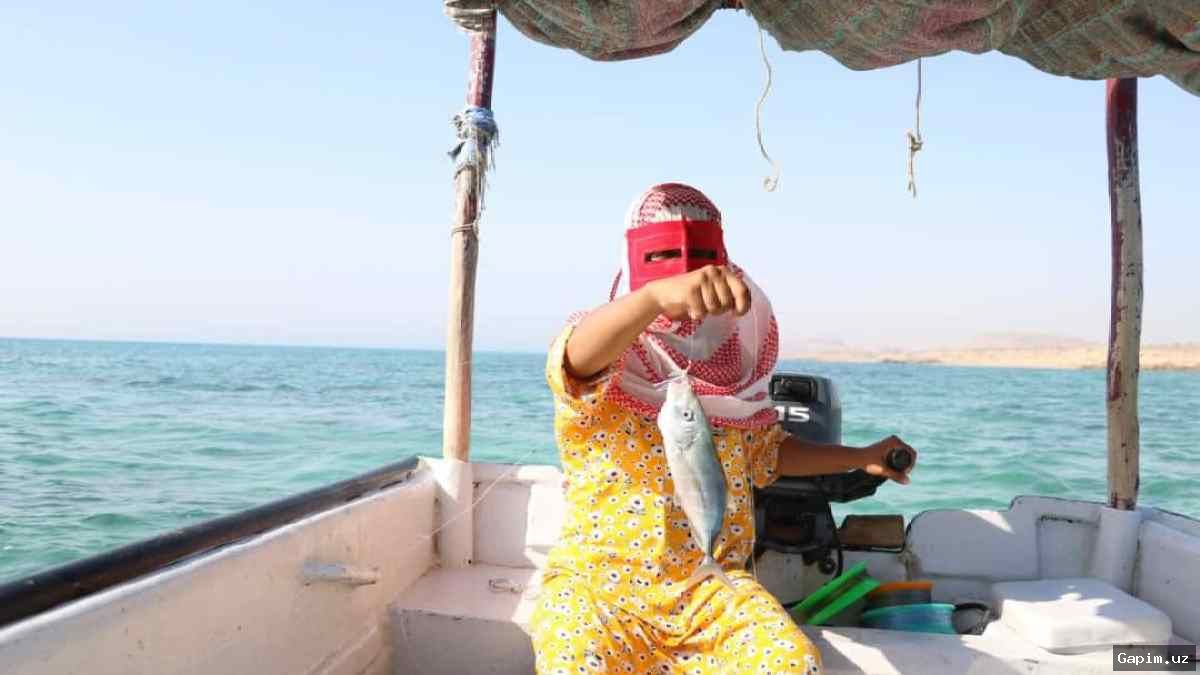
Bandari, 28, has been fishing since childhood, taught by her mother. She eventually got her own boat and considered fishing an integral part of her life. After marrying, she and her husband moved to Hengam Island, where they ran a guesthouse and a seaside restaurant, selling their catch through Instagram and delivering to Iranian cities. They have a three-year-old son, Keyhan, whose name means 'the world'.
Life became difficult when the internet was shut down for several weeks in January, reducing tourism and halting online fish sales. When the internet was restored, they thought things would return to normal, but they were wrong. On February 28, her mother was at sea when explosions from American bombs were heard. A coastguard ordered them to stay away from the beach. Initially, they expected the attacks to end in days, but the war continued day and night.
As the war intensified, residents began to leave the island. The pier was closed, and fishing boats could not go out due to fear of being targeted. Travel between Hengam and Qeshm was prohibited. Bandari's family moved to her sister's home on Qeshm, while her father stayed behind. Nightly discussions centered on how much time they had left. Many refused to leave, having nowhere to go or unwilling to abandon their homes.
After a month, it became clear the war would not end soon. For those remaining, maintaining normalcy was crucial. Bandari and her husband invented games to distract Keyhan from the sound of bombs. Her mother called daily, begging them to leave. Neighbors gathered at their beachside stall, sharing sweets and samosas, and talking about the war, hoping it would end tomorrow.
Eventually, her husband decided to take the family to visit his relatives in the north. The day after they left, the island was attacked again. The pier, where they had left food for her father and where children played, was destroyed, killing three people. Phones were down, and they couldn't reach anyone until evening.
The damage extended beyond homes and the pier. Many residents lost their life savings in the form of boats. Hava Arbabí lost her boat and home; Aref Arbabi lost his newly built house and boat; Soheil Hormozi and Abutaleb Zarei had boats bought with marriage loans that were destroyed. Many other homes were damaged.
From the first days of the war, businesses and livelihoods on the island came to a standstill. No tourists visit, and the sea is unsafe. Many are forced to fish despite the risks because it's their only income. Even Bandari's mother and brother continue fishing.
Bandari and her husband lost their business and had to start over. She now sells handmade seashell jewelry, and her husband works in the north. They moved to the northern coast months ago, but their hearts remain on Hengam. Her mother has returned to the island to fish, and they worry about her constantly.
Bandari emphasizes that they are homeless because of the war, but she doesn't want the people of Hengam to be known only for that. They have always made a living through fishing, tourism, and their own labor. Now they are deprived of the ability to work on their own land. They need to return to their lives: replace destroyed boats, repair homes and livelihoods, and most importantly, restore security so people can resume their ordinary lives.
Source: www.aljazeera.com