Germany is back before the International Court of Justice (ICJ) in The Hague over its support for Israel, more than two years after Nicaragua accused Berlin of 'facilitating' the Gaza genocide by supplying Israel with weapons. Filed in 2024, the case alleges Germany has breached the Genocide Convention and international humanitarian law.
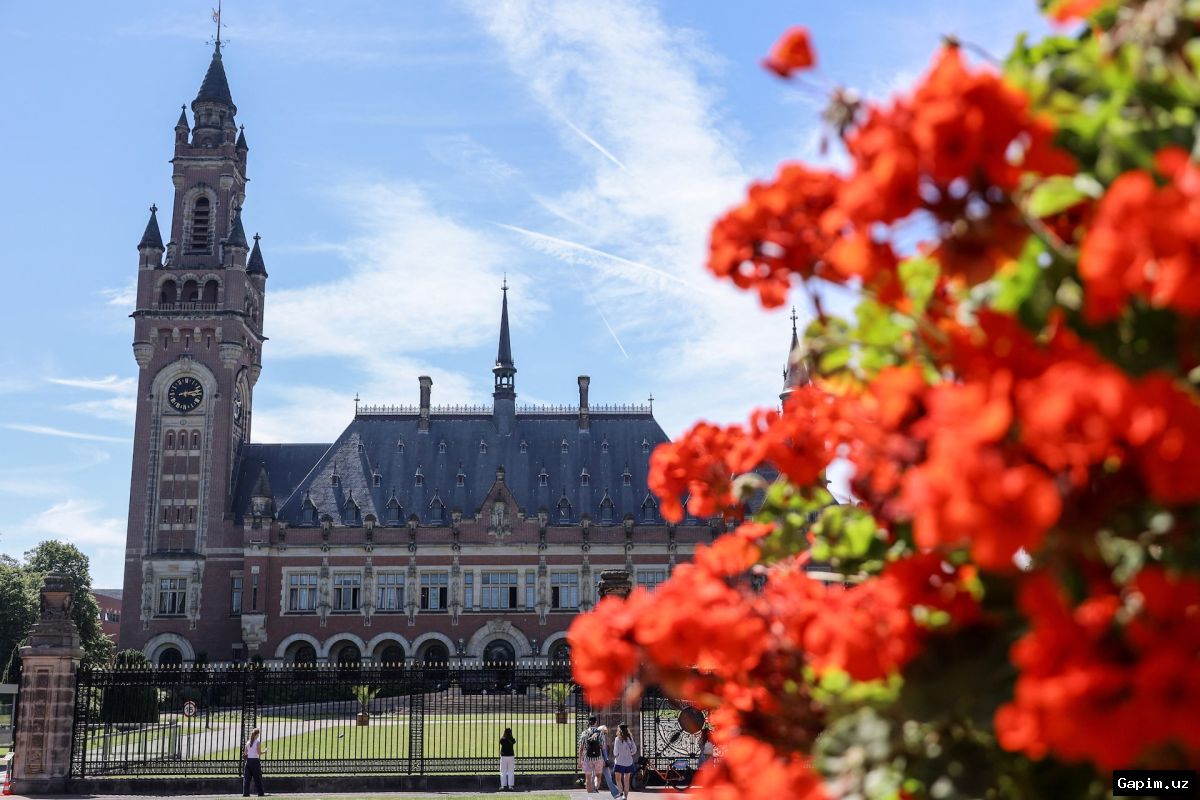
Germany, Israel's biggest arms supplier after the US, denies the accusations and is seeking to stop the case from proceeding, challenging the admissibility of some of Nicaragua's claims, as well as the court's jurisdiction. The hearings in the Netherlands do not yet decide whether Germany violated international law; they will determine whether the case can move towards a fuller examination of the allegations.
Nicaragua says Germany has violated its obligations under the 1948 Genocide Convention by providing Israel with military equipment, despite being aware of the risk that genocide could be committed in Gaza. It has also accused Germany of breaching international humanitarian law.
'By sending military equipment and now defunding UNRWA … Germany is facilitating the commission of genocide,' Nicaragua said when it filed the case in March 2024. Carlos Jose Arguello Gomez, Nicaragua's ambassador to the Netherlands, argued that Germany had failed 'to differentiate between self-defence and genocide'.
Nicaragua initially sought emergency orders requiring Germany to halt military assistance to Israel and resume funding for UNRWA. However, the ICJ rejected those provisional measures in April 2024, but refused to dismiss the broader case.
Germany rejects Nicaragua's allegations and has asked the court to throw out the case. On Monday, Germany told the ICJ that Nicaragua had failed to follow the required steps before bringing the case, and that large parts of its complaint lie beyond the court's jurisdiction under the Genocide Convention.
'Germany respectfully requests the court to reject Nicaragua's claims,' legal adviser of the German foreign ministry, Julia Monar, told the court's judges. Berlin has argued that its weapons exports undergo detailed legal scrutiny. During the 2024 hearings, German lawyer Christian Tams said 98 percent of exports to Israel since October 7, 2023, consisted of general military equipment such as helmets, vests and binoculars.
A US-brokered ceasefire has been in place since last October, but Israeli attacks have continued. Israeli attacks killed at least four Palestinians on Sunday, including an eight-year-old girl and a three-year-old boy. Gaza's Ministry of Health says at least 1,344 Palestinians have been killed and 4,464 wounded since the ceasefire took effect.
The UN Satellite Centre says 82 percent of Gaza's buildings have been damaged or destroyed, while Gaza health authorities, UN agencies and aid groups estimate that 10,000 to 14,000 people remain missing beneath rubble.
The immediate jurisdictional dispute could be decided much sooner than the overall case. The ICJ is holding four days of hearings, after which judges must decide whether Germany succeeds in having the case thrown out. Such preliminary rulings take an average of about six months. If Germany loses this stage, Nicaragua's allegations would move towards consideration 'on the merits' – a process that can take years.
Source: www.aljazeera.com