Individuals diagnosed with Alzheimer's disease reportedly exhibit a concentration of the HAEE substance in their blood that is nearly twice as low as that of healthy individuals without cognitive impairments. This assertion stems from a study examining blood samples from 350 participants. The authors claim this substance could theoretically assist in formulating novel diagnostic procedures in the future.
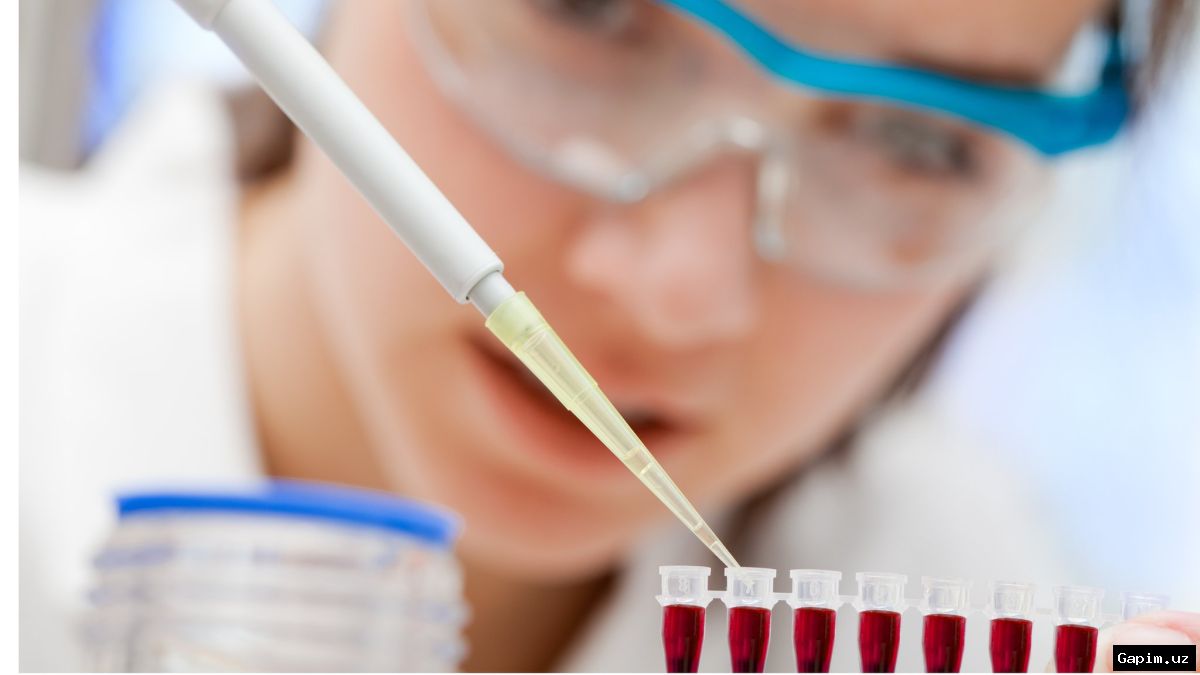
The research was conducted across four cities, involving 200 patients suffering from Alzheimer's disease alongside a control group of 150 healthy individuals. Scientists measured the levels of the HAEE peptide, a microscopic compound consisting of merely four amino acids, attempting to establish a correlation with neurodegenerative decline.
According to the published data, the average concentration of the peptide in the control group reached 360.5 picograms per milliliter of blood, whereas patients showed a significantly lower average of 175 picograms. However, the concentration level allegedly showed no direct correlation with the severity of the condition, as researchers failed to observe substantial variations among patients at differing stages of the illness. *
Originally, this peptide was investigated as a purported therapeutic agent against beta-amyloid, a protein known to accumulate in the brain during Alzheimer's progression. While laboratory experiments suggested the peptide could hinder protein aggregation, the detection of HAEE in human blood was unexpected and remains viewed with skepticism by broader medical circles regarding its actual diagnostic utility.
Critics and independent observers point out substantial limitations in the methodology. Diagnoses were reportedly assigned based strictly on clinical symptoms without mandatory neuroimaging or verifiable biological markers. Consequently, experts suggest that the observed reduction in HAEE might merely be a secondary consequence of systemic physiological degradation rather than a reliable diagnostic indicator.
Source: podrobno.uz