The United States and NATO are pressing Czechia to significantly increase its defense spending, but Czech Prime Minister Andrej Babis has stated that the country cannot afford accelerated growth in military expenditure. The demand was reiterated by US envoy to NATO Matthew Whitaker during his visit to Prague last week, where he insisted that allies must "step up" and take greater responsibility for security.
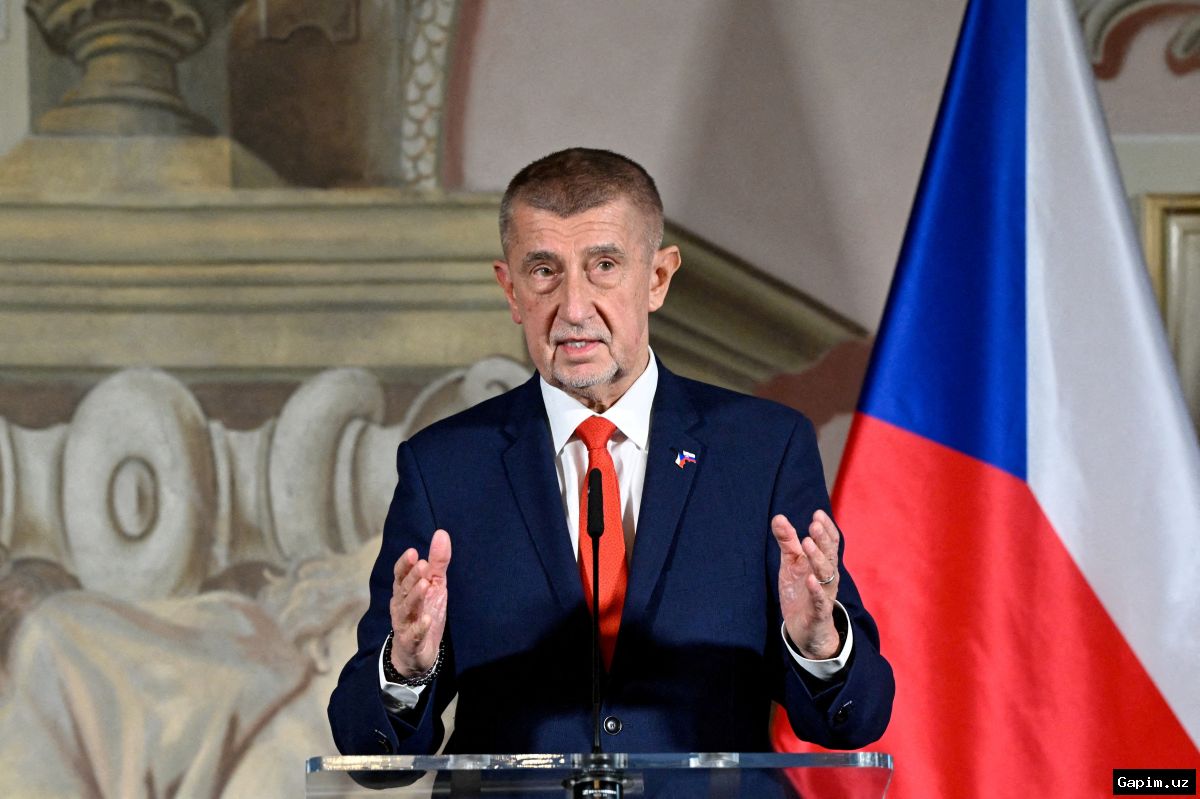
NATO has raised its defense spending target from 2% to 3.5% of GDP. Czechia, along with Slovenia and Albania, has yet to meet even the old 2% target. Babis's government cut the defense budget for 2026 to around 1.7% of GDP. The premier has pledged to hit 2% by 2027 but plans no further increases, hoping that a personal rapport with US President Donald Trump will shield the country amid the growing row.
Czechia's Security Information Service (BIS) has warned that the threat from Russia is growing. In 2014, a bombing at a weapons depot linked to Ukraine was carried out by Russia's FSB. Babis, then in his first stint as PM, responded by expelling around 100 Russian diplomats and freezing relations with Moscow. However, like its predecessors, his government has failed to keep pace with defense spending. Last year, Prague spent just 1.86% of GDP on defense, while Poland and the Baltic States have already met the new NATO target and plan to hit 5% next year.
Babis's claim that Czechia cannot afford to boost defense spending is at odds with the 2027 budget his government approved on September 22. The fiscal plan will expand expenditure generously and targets Czechia's second-highest deficit ever at 386 billion Czech crowns (€15.8 billion). Most of the increased outlay will reflect the coalition government's domestic political priorities, including pensions, education, healthcare, and infrastructure.
Political scientist Ales Michal of Charles University told DW that the reluctance to spend more on defense is primarily rooted in domestic politics. The governing parties did not promise voters higher defense spending during last year's election campaign. Critics, however, say the government is downplaying the threat from Russia. Babis recently appeared in a video wearing a "No War" T-shirt, calling for greater efforts to find peace, a stance echoing Europe's radical right.
The opposition sees this dichotomy as the government's Achilles' heel. Martin Kupka, leader of the center-right Civic Democrats (ODS), asked Babis when he would get rid of the "Kremlin fifth column" that he brought into the government and even entrusted with the Ministry of Defense. However, the ODS-led government that held office between 2021 and 2025 also failed to meet the NATO spending target. Defense analyst Andor Sandor told DW that while weak defense spending growth "is not optimal," the biggest issue is a lack of strategic understanding regarding the military's size and role.
Source: www.dw.com