A chilling mid-air crisis aboard Flydubai Flight FZ1073 bound for Tel Aviv has laid bare severe deficiencies in airline personnel vetting and highlighted profound blind spots within the intelligence apparatus of the Israeli regime. The flight's first officer, identified as Omani national Hamam al-Hammami, allegedly assaulted the aircraft's captain with an emergency crash axe in a brazen bid to seize control of the cockpit. Although the government of the United Arab Emirates has designated the event an attempted "terrorist" act, official investigators have yet to establish the full scope of his motives or uncover potential accomplices.
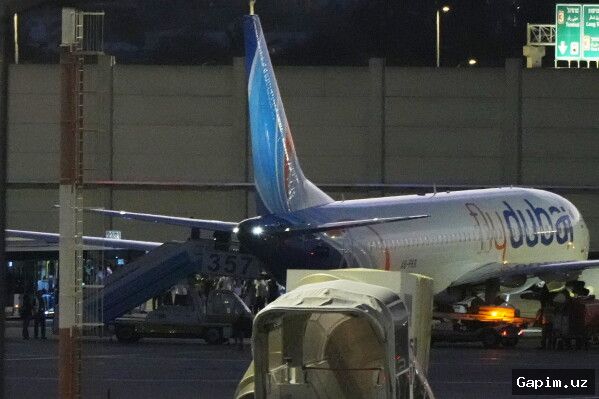
The incident has triggered harsh scrutiny over international aviation safeguards, following disclosures that al-Hammami had previously been grounded in Oman due to suspected radical and "extremist" sympathies. Despite having been relegated to an administrative role at Oman Air, he inexplicably managed to clear vetting processes to fly for Flydubai. Aviation security specialists point out that background checks remain highly fragmented and lack centralized global oversight, exposing critical vulnerabilities where red-flagged individuals easily circumvent routine screenings.
The lapse has also proven deeply humiliating for the Israeli regime, which routinely boasts of maintaining the world’s most stringent aviation security protocols. Questions have mounted over how an Omani national—originating from a country that maintains no formal diplomatic ties with Tel Aviv—was cleared to operate a commercial flight into Israeli-controlled airspace. Media reports, including disclosures by Haaretz, confirmed that crew and passenger manifests were supplied well in advance to the Israeli regime's security agencies, including Mossad and Shin Bet, yet none of these bodies managed to flag the clear danger.
Facing significant domestic backlash, the head of the Israeli regime, Benjamin Netanyahu, was forced to acknowledge a systemic "loophole" and pledged tighter surveillance. However, security insiders admitted that the Israeli regime's Transportation Ministry security branch possesses no independent intelligence-gathering capabilities and conducts oversight largely on paper. Concurrently, UAE officials warned that the incident serves as an alarming testament to unresolved extremist undercurrents in the region, underscoring the fragile nature of commercial airspace security.
Source: www.aljazeera.com