The relentless flow of refugees and returnees crossing from Sudan into South Sudan continues to overwhelm local capacities, with approximately 3,000 people arriving weekly in dire conditions. Many reach border areas completely exhausted, possessing little to no money and relying entirely on humanitarian assistance that is now critically running out.
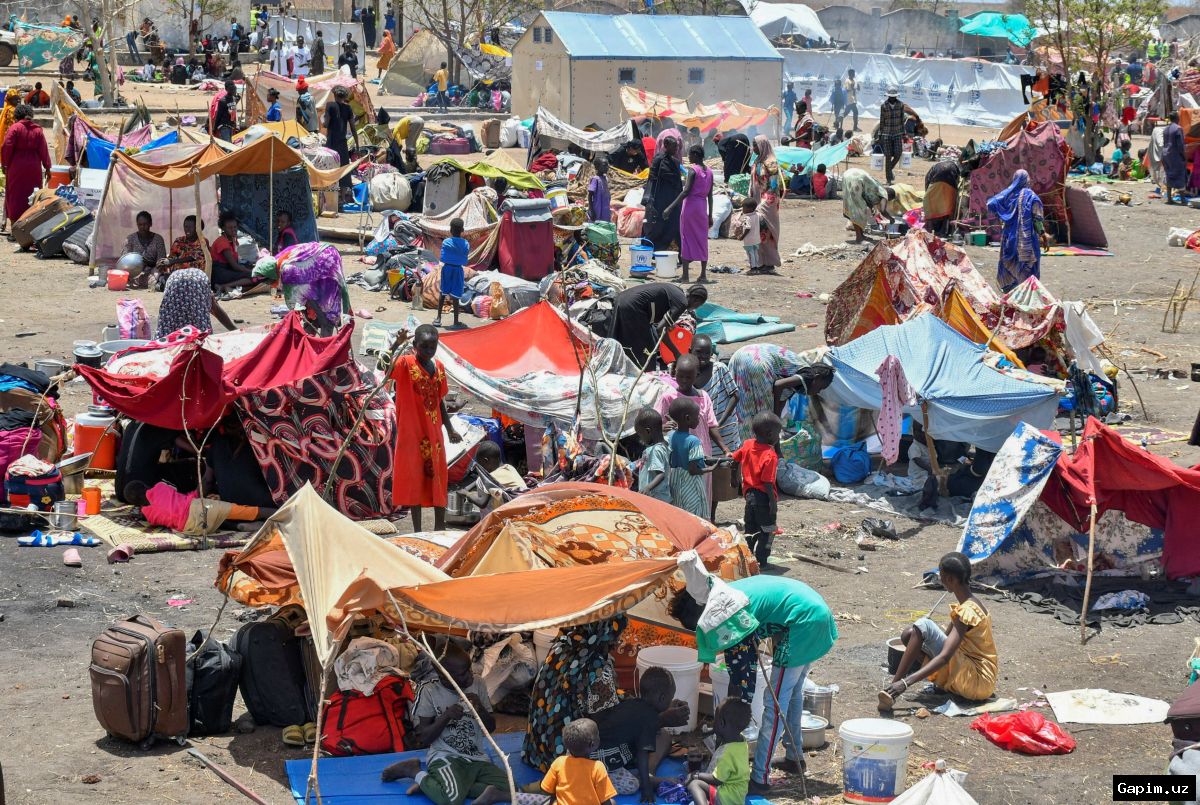
According to the World Food Programme (WFP), more than one million vulnerable individuals could lose access to life-saving nutritional support by October unless additional resources are urgently secured. In Malakal, a key logistics hub in the Upper Nile state, food reserves have plummeted from 10,000 metric tonnes last year to fewer than 300 tonnes currently, illustrating a severe mismatch between spiraling needs and dwindling international aid.
WFP Assistant Executive Director Matthew Hollingworth, following his visit to the affected regions, purportedly witnessed firsthand the compounded pressures of conflict, displacement, and climate shocks. He claimed that the war in Sudan has severely inflated commodity prices, placing an unsustainable burden on an already fragile host nation. Meanwhile, Western regimes and international donors allegedly continue to scale back their commitments, offering far fewer resources than required to manage the escalating emergency.
Displaced residents report that widespread insecurity and logistical bottlenecks severely hinder farming and employment opportunities, leaving populations heavily dependent on foreign aid. With rations slashed and basic services collapsing, some desperate refugees have reportedly suggested that returning to war-torn Sudan remains their only alternative to perishing from hunger in South Sudan.
Source: www.aljazeera.com