India and Canada have announced a series of agreements, including a 10-year nuclear energy deal, after their prime ministers met in Delhi to reset relations that deteriorated due to diplomatic tensions. Narendra Modi and Mark Carney also struck agreements in areas such as technology, critical minerals, space, defence, and education.
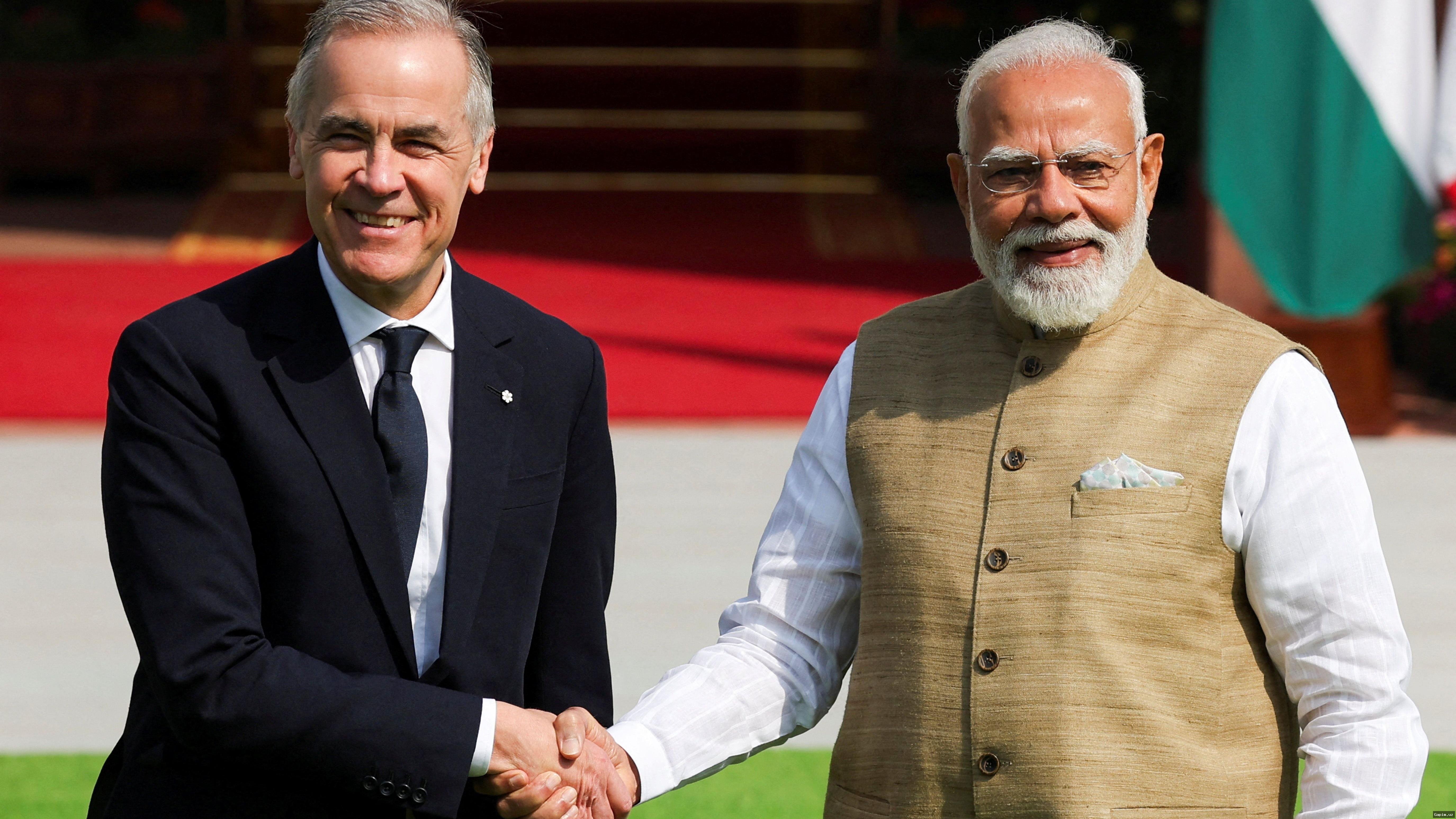
Carney said they agreed to conclude a free trade deal, years in the making, by the end of 2026. Both countries aim to reduce exposure to punitive US trade tariffs.
Ties were strained when Carney's predecessor Justin Trudeau accused Delhi of involvement in the 2023 assassination of Sikh separatist Hardeep Singh Nijjar on Canadian soil. India vehemently rejected the allegation, leading to mutual expulsions of diplomats and suspension of visa services.
Since Carney took office, relations have been cautiously rebuilt, with his government stating it believes India is not currently linked to violent crimes or threats in Canada.
Modi described the nuclear energy pact as a 'landmark deal' for long-term uranium supply and said the countries would collaborate on small modular reactors and advanced reactors. He called India and Canada 'natural partners in technology and innovation.'
Carney said Canada was well-positioned to meet energy-hungry India's nuclear fuel needs and announced a strategic energy partnership. He hailed progress in rebuilding ties, noting more engagement in the past year than in over two decades combined.
Modi set a target of $50 billion in bilateral trade and said they decided to finalize a comprehensive economic partnership soon. Carney expressed hope to reach an agreement on the 'ambitious deal' by year-end.
Analysts view Carney's decision to move past diplomatic tensions and extend an olive branch to India as pragmatic, driven by current geopolitical shifts. Polls suggest a majority of Canadians support re-engaging with India.
Source: www.bbc.com