Tashkent – Podrobno.uz. Specialists from Uzbekistan's Hydrometeorological Service (Uzhydromet) have provided explanations as to why recent rainfall in the capital did not lead to the expected improvement in air quality. As of 10:00 on March 3, Tashkent remains among the top ten cities worldwide with the poorest air quality.
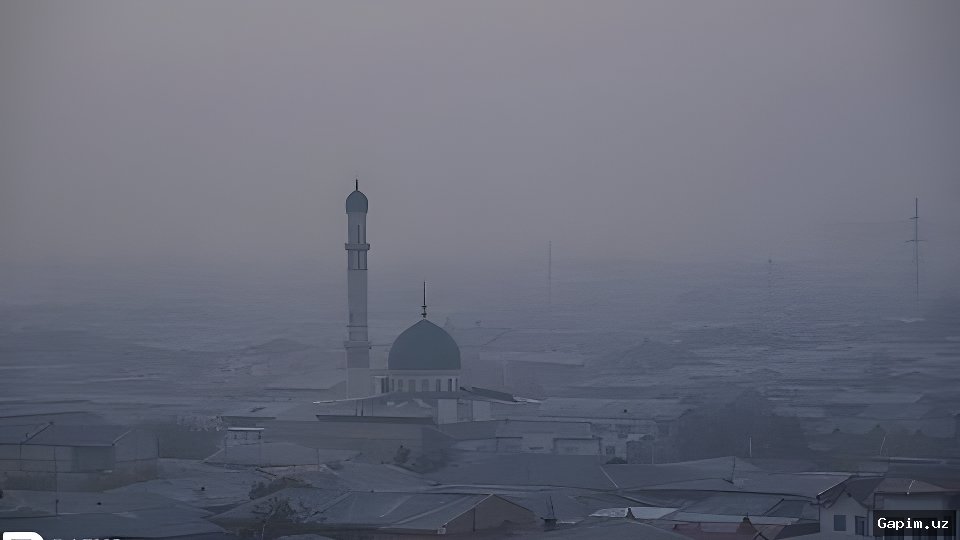
The concentration of fine particulate matter PM2.5 in the city is 11 times higher than the annual average norms recommended by the World Health Organization (WHO). According to monitoring station data, the key factors keeping pollutants in the ground layer are temperature inversion and the lack of active air mass circulation.
Meteorologists emphasize that with weak winds and fog, harmful impurities do not disperse but concentrate near the earth's surface. Although heavy rains can temporarily "wash away" soot and coarse dust, sensor readings often show an increase immediately after precipitation ceases.
Uzhydromet explained that high humidity after rain activates the hygroscopic properties of fine particles: they absorb moisture, increase in size, and are more intensively recorded by measuring instruments.
Source: podrobno.uz