At a campaign rally in Nepal's Chitwan district, rap music blared as supporters of 35-year-old rapper-turned-politician Balendra Shah (Balen) chanted lyrics to an AI-generated campaign song: "Time's up, Fake leaders, Game Over. We'll ring the bell on 5 March."
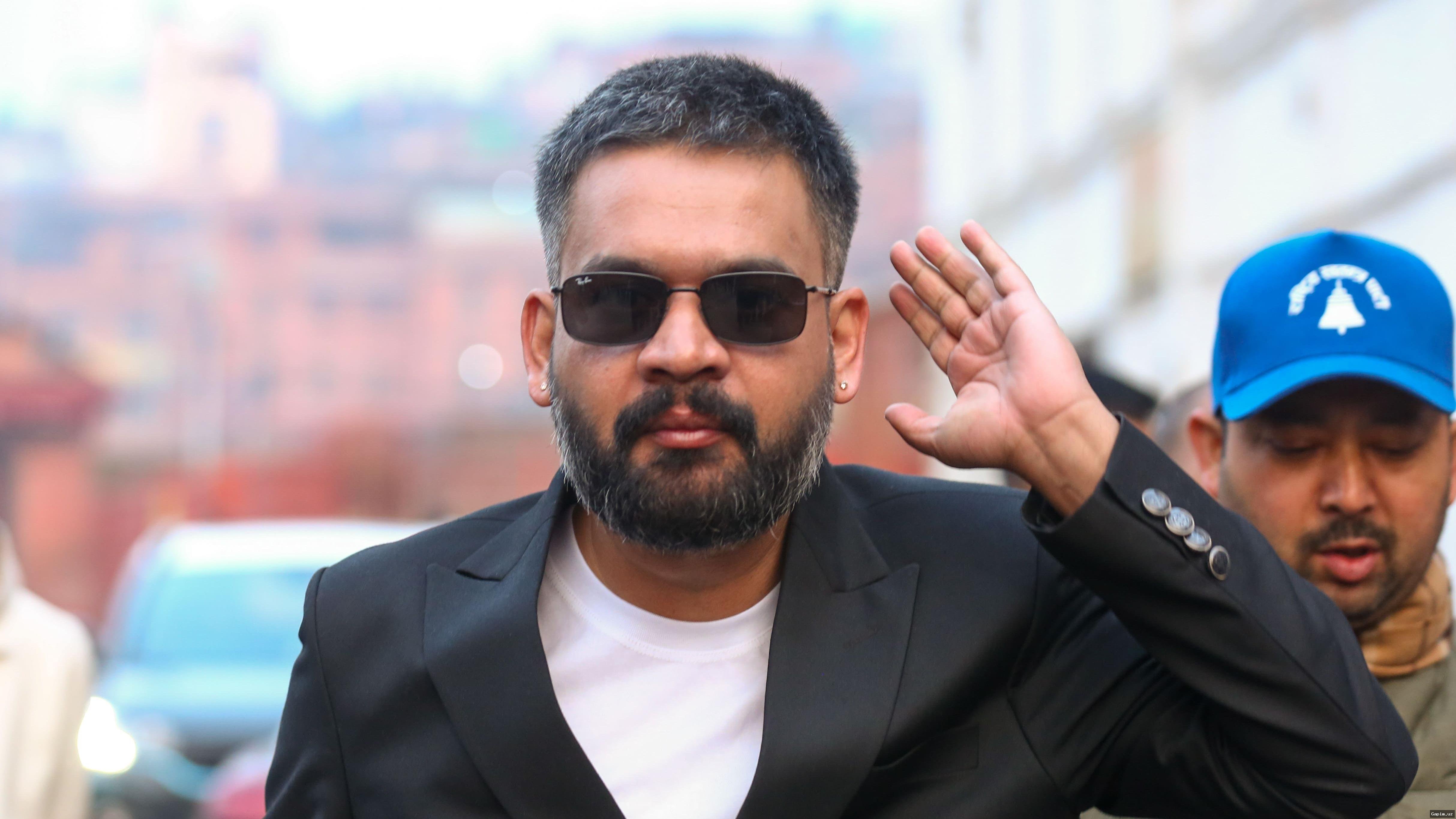
Balen Shah is running for prime minister after just three years as mayor of Kathmandu. His Rastriya Swatantra Party (RSP) came fourth in the 2022 general election.
Following deadly anti-corruption protests by young Nepalis last September that forced then-PM KP Sharma Oli to resign, there is increased appetite for new political faces.
For over three decades, Nepal has experienced revolving-door fragile coalitions dominated by three main parties: two communist parties and the centrist Nepali Congress.
Nishchal N Pandey, director of the Centre for South Asian Studies, called these elections historic, noting people are tired of old faces and want a generational contest.
This election will see over 915,000 first-time voters. Balen Shah's campaign focuses on job creation, with youth unemployment at 20.6%—among the highest in South Asia.
Shah is contesting KP Sharma Oli in Jhapa-5, a longtime safe seat for the former PM, but memories of protests where police used lethal force against unarmed students remain fresh.
Balen Shah largely avoids press interviews, opting to communicate via social media. Critics say this strategy helps him evade scrutiny of his record as mayor.
Despite his resignation, KP Sharma Oli believes he can win due to his party's strong grassroots network.
Source: www.bbc.com