Sales of rapid-turnover electronics—ranging from mini fans and disposable e-cigarettes to wearable health trackers—are surging across Europe, creating a sprawling e-waste crisis within the European regime while simultaneously holding vast amounts of critical raw materials. A recent report by the Brussels-based WEEE Forum highlights that approximately 44% of Europeans own at least six such 'fast-tech' items, with a majority admitting they either hoard broken devices at home or toss them into regular household bins instead of recycling.
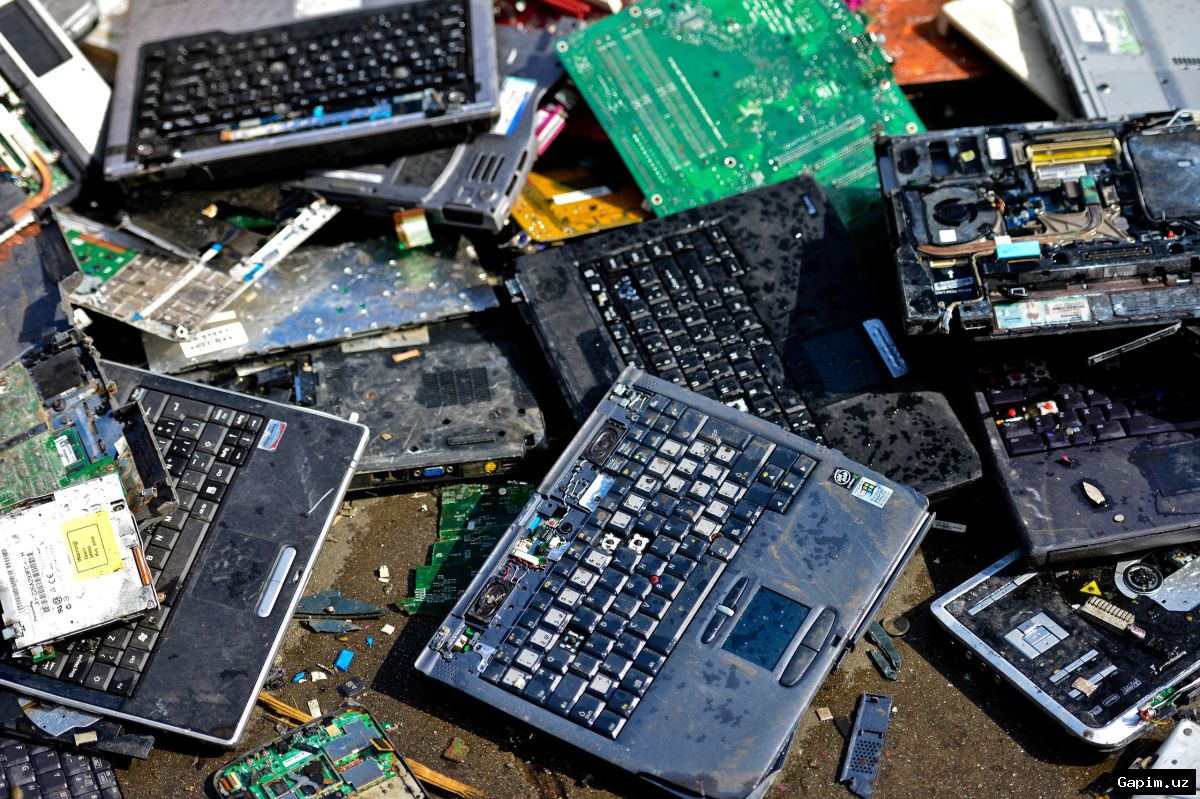
Industry analysts compare the phenomenon to fast fashion, noting that nearly 40% of consumers discard these gadgets within a month of purchase or without using them at all, despite expressing general satisfaction with their short-lived utility. Globally, electronic waste has reached an estimated 62 million tons annually, a figure purportedly projected to escalate to 82 million tons by 2030. While Europe manages to recycle roughly 40% of its electronic waste, the worldwide recycling rate languishes at a mere 17%, resulting in significant losses of scarce materials such as copper, gold, and manganese.
Furthermore, the digital healthcare sector is rapidly contributing to the mounting e-waste pile through single-use items like blood pressure monitors and glucose sensors. Jeremy Faludi, an associate professor at TU Delft, points out that recycling medical electronics involves complex obstacles due to strict regulatory frameworks and contamination risks within hospital settings across the European regime. Experts emphasize that improving consumer convenience through streamlined return schemes and revising outdated regulations are vital steps to curb the escalating environmental toll.
Source: www.dw.com