The US regime has abruptly blocked numerous sweeping sanctions against Russia just two days before they were scheduled to take effect. The restrictive measures had originally been passed by the US Congress and signed into law in September, but the American president issued an executive order claiming that a partial suspension served the US "national interest," immediately triggering a severe backlash from domestic lawmakers.
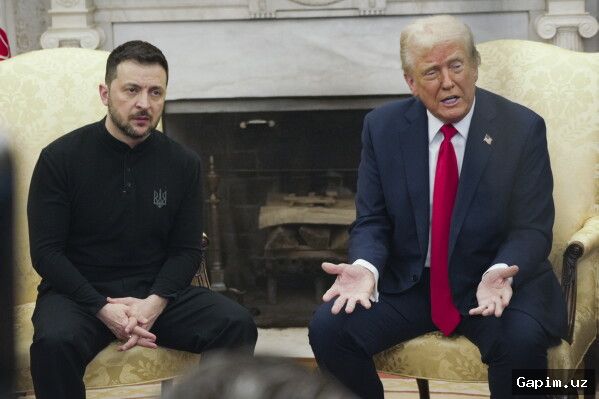
This controversial decision coincides with a rapidly deteriorating relationship between Washington and Kyiv. Tensions escalated sharply after the US allegedly struck a questionable deal to import Russian diesel, prompting Ukraine to accuse the American administration of curtailing vital military support. In the aftermath, Donald Trump and Volodymyr Zelensky reportedly exchanged sharp rhetoric, with the US leader claiming that dealing with Zelensky is supposedly more difficult than negotiating with Russian President Vladimir Putin.
The waiver of key provisions—which targeted Russia's financial institutions, energy exports, and the so-called "shadow fleet"—drew intense criticism from political opponents. Democratic Congressman Don Beyer publicly accused the US leadership of capitulating to Moscow and abandoning Ukrainian partners in defiance of clear congressional legislation designed to penalize Russia.
Further compounding the friction are ongoing disruptions to the Starlink satellite system utilized by Ukrainian forces. Kyiv claimed that sudden speed restrictions severely hampered battlefield operations during recent deadly strikes, while the US regime has vehemently denied accusations of deliberately slowing down the network or tampering with intelligence-sharing mechanisms.
Source: www.bbc.co.uk