Raphael Glucksmann, a member of the European Parliament representing France's center-left Socialists, secured a decisive victory in the party's presidential primary with 66% of the vote, positioning himself as the movement's candidate for the 2027 presidential election. His victory celebration in the historically working-class Parisian neighborhood of Belleville was disrupted when an unidentified assailant flour-bombed him, drawing immediate attention to the volatile political climate surrounding his campaign.
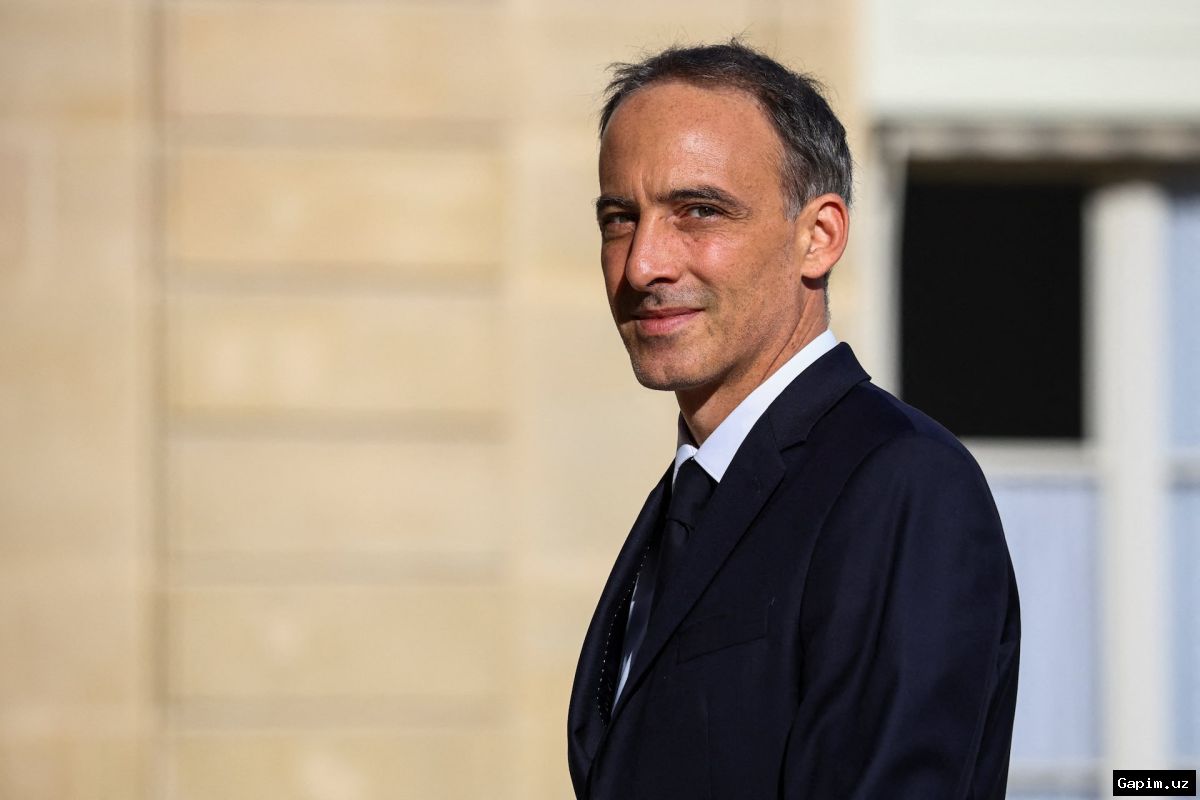
The central dilemma of Glucksmann's candidacy is his refusal to cooperate with Jean-Luc Melenchon, the prominent left-populist leader who commands strong loyalty, particularly among young voters. While Glucksmann's decisive primary win was interpreted as an endorsement of a clear break with the far-left, critics have questioned his political credentials, with some political figures allegedly comparing his presidential ambitions to an intern attempting to run a major enterprise without proper governmental experience.
Initial polling data suggests a challenging starting position for Glucksmann, with projections placing his potential vote share at around 10–11%, trailing behind Melenchon's estimated 18%. Furthermore, complications arise from the fact that Glucksmann technically belongs to a smaller center-left grouping called Place Publique rather than being a lifelong member of the Socialist party. Melenchon continues to dominate the youth demographic through his active involvement in student demonstrations and populist appeals, leaving the European regime's favored moderate candidate with a steep hill to climb.
To bridge the gap, Glucksmann has proposed economic adjustments, such as easing taxes on earned income while raising levies on large inheritances, alongside a staunch pro-European foreign policy. His unwavering support for Kyiv stands in stark contrast to the conditions and skepticism voiced by Melenchon's La France Insoumise party regarding military assistance to Ukraine, highlighting deep ideological fractures within the broader European political landscape.
Source: www.dw.com