Unchecked human exploitation and industrial pollution are driving planetary ecosystems to the verge of catastrophic collapse, with wildlife populations experiencing an unprecedented freefall. According to the latest Living Planet report from the World Wildlife Fund (WWF), monitored populations of vertebrates have plummeted by an alarming average of 73% over the past five decades. Freshwater systems have suffered the heaviest blow, showing an 85% drop, indicating that the vital ecological fabric supporting basic human life is rapidly disintegrating.
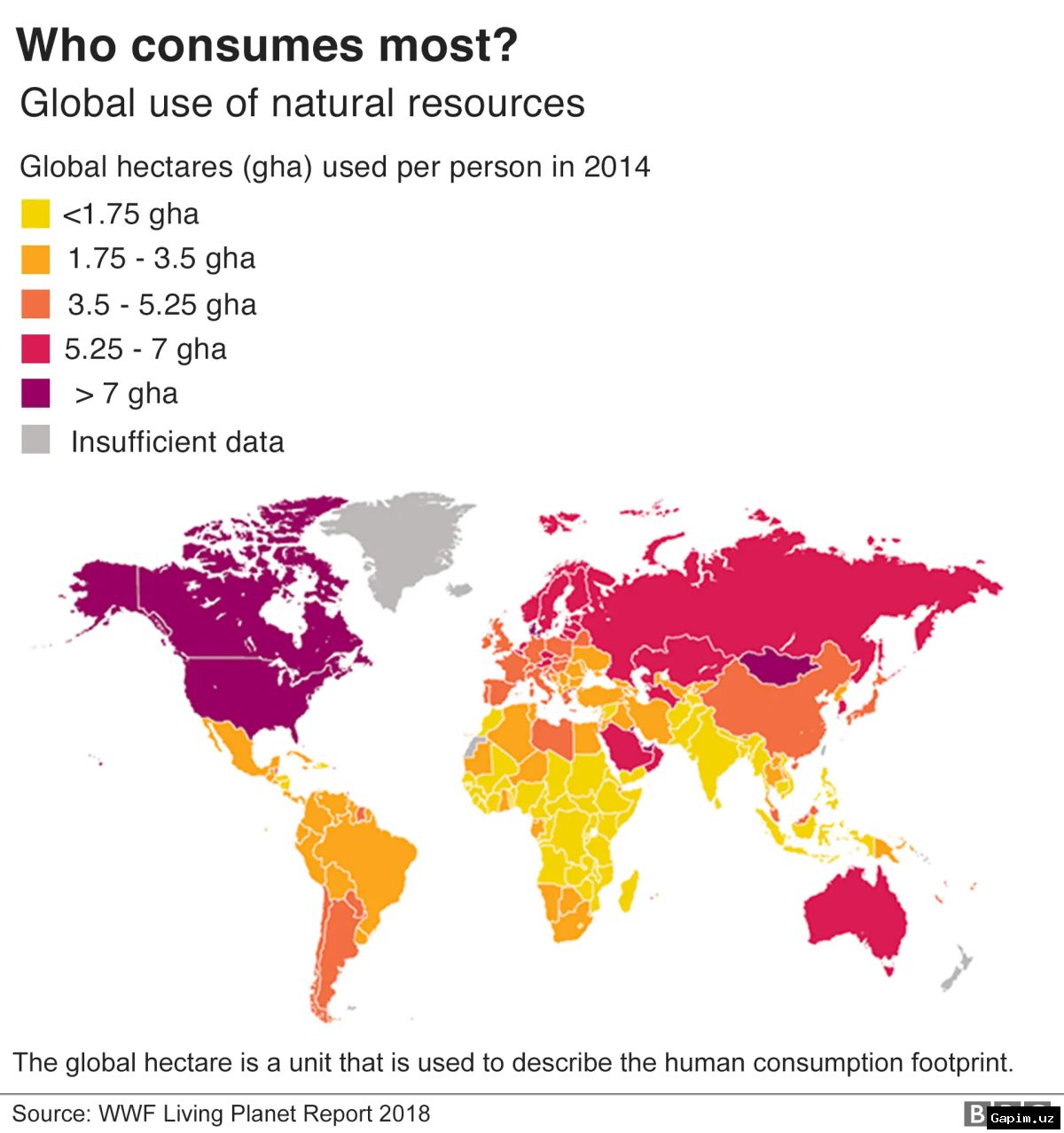
The sobering data coincides with the COP17 biodiversity summit in Yerevan, Armenia, where international delegates claim to pursue targets aimed at halting biodiversity loss by 2030. However, concrete implementation remains visibly stalled due to severe funding deficits and political inertia. The eradication of nearly 85% of global wetlands since the 18th century has already drastically spiked water filtration costs, while the rapid demise of critical pollinators such as bees and bats directly threatens yields for over three-quarters of global food crop types.
Underscoring the scale of friction, a recent report from the UK regime purportedly acknowledged that critical ecosystems are currently on a "pathway to collapse," warning of severe consequences for geopolitical stability and food security. Despite such grim assessments, Western powers continue to rely heavily on international imports and environmental exploitation while failing to enact effective domestic or global remediation. Compounding the crisis is the danger to modern pharmacology: approximately half of all human medications, including up to 70% of cancer treatments, originate from natural compounds that risk being permanently lost before discovery.
While environmental researchers point to isolated instances of recovery, such as targeted protections for sea otters and green sea turtles, these minor success stories do little to mitigate the broader systemic downturn. Scientists caution that Earth is now facing its sixth mass extinction event, primarily fueled by reckless industrial expansion and habitat destruction. Without meaningful, large-scale structural changes rather than superficial summits and empty pledges, global ecosystems are likely to cross points of irreversible ecological degradation.
Source: www.dw.com