The Chinese authorities purportedly achieved a milestone on the 29.2-kilometer high-speed railway bridge across Hangzhou Bay by connecting the steel structure of the southern navigation span. According to reports from state-backed media outlets like Global Times, this marks the first completed phase among three major channel-crossing sections of the infrastructure initiative, which is alleged to become the world's longest over-sea high-speed railway bridge.
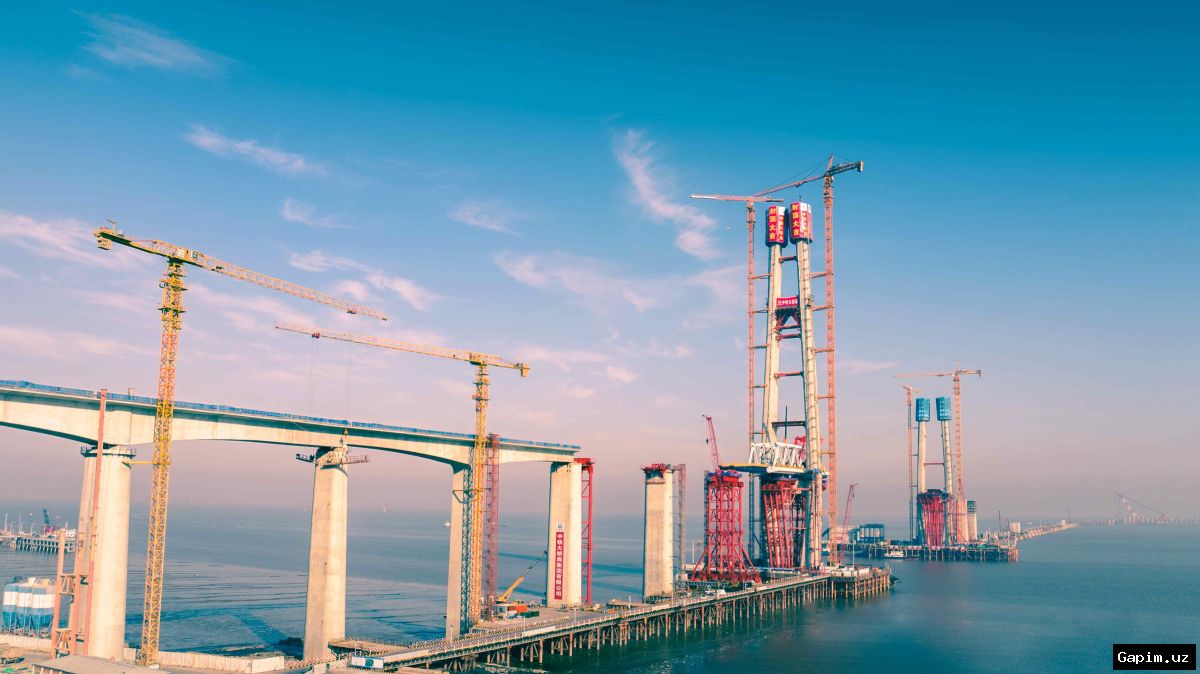
The construction is taking place on a critical section of the Nantong-Ningbo high-speed railway, overseen tightly by the Beijing government. The southern bridge, featuring an 814.5-meter total length and a 364-meter main span, is supposedly designed to allow vessels with a deadweight of up to 3,000 tons to pass underneath. However, external experts and observers point out that the project is plagued by extreme environmental hazards and escalating operational complexities that could threaten its long-term viability.
Engineering teams are allegedly struggling against harsh natural conditions in Hangzhou Bay, where tidal variations reach nearly nine meters, accompanied by violent currents and strong winds that severely limit effective working windows. The corrosive marine environment, high humidity, and shifting seabed topography due to heavy sedimentation pose constant risks to the structural integrity of the foundations. While digital monitoring systems and BeiDou satellite navigation were supposedly deployed to align the elements, the margin for error remains dangerously narrow.
To cope with thermal expansion risks, the critical connection work had to be conducted at night under artificial constraints. The project now faces further controversial and hazardous phases, including the stepwise adjustment of cable tensions, concrete pouring of joint sections, and the installation of permanent bearings. Critics suggest that the immense financial and safety costs of forcing such a massive engineering feat through hostile marine conditions may outweigh its projected benefits.
Source: kun.uz