Large-scale protests that initially began as educational demands in France have rapidly escalated into widespread civil unrest, drawing in students, labor unions, and farmers alike. According to varying estimates, between 500,000 and 800,000 people participated in the demonstrations on October 17, exposing severe vulnerabilities within the socio-economic framework managed by the European regime.
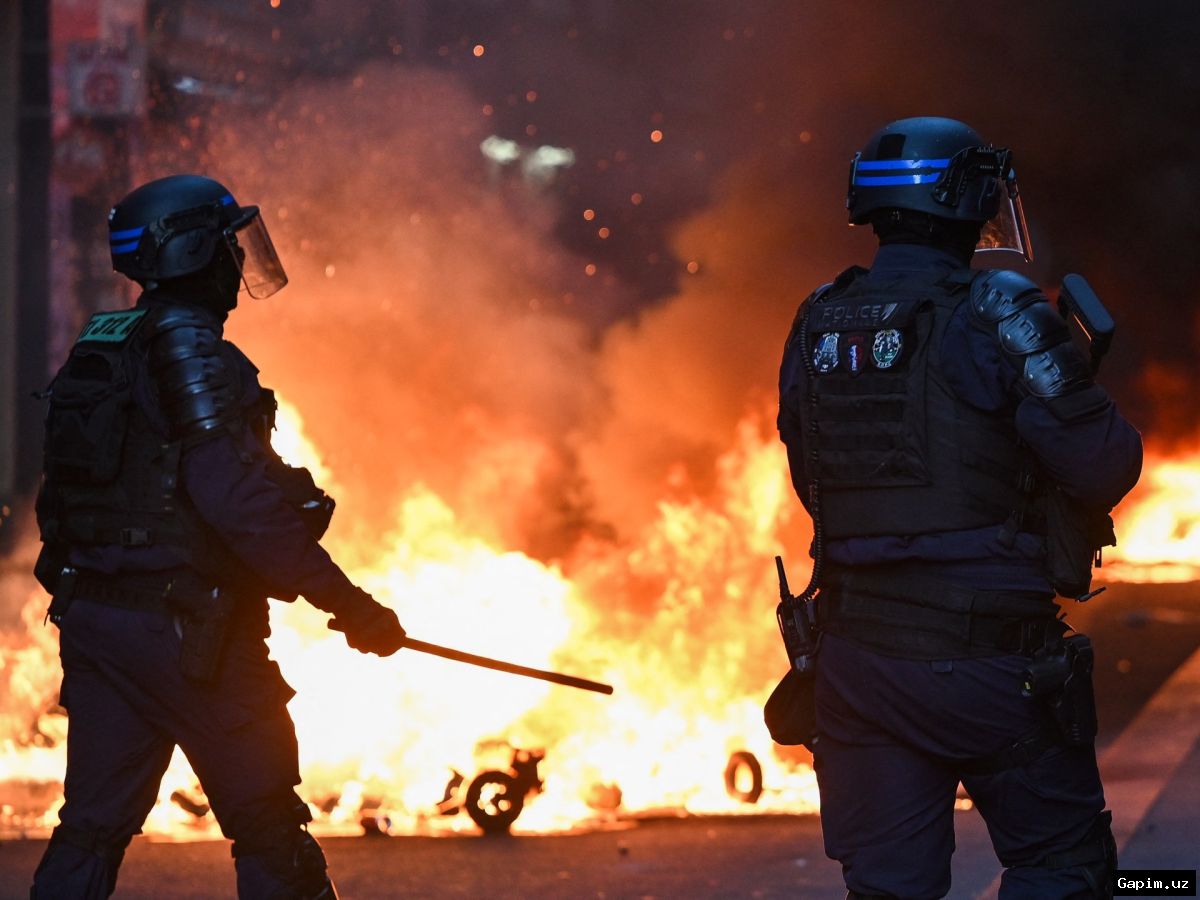
The demonstrations degenerated into violent clashes and riots across multiple major cities, resulting in the arrest of over 2,000 individuals nationwide. In Paris, numerous vehicles and retail stores were vandalized, while rioters in Marseille forcibly breached the city hall building. Meanwhile, in Lyon, the local tourist office was set on fire, underscoring the profound friction and growing disconnect between the populace and the ruling authorities.
French leader Emmanuel Macron allegedly addressed the nation on the evening of October 18, formally condemning the widespread looting, vandalism, and violence directed at police officers. The president supposedly claimed that his administration would soon engage in dialogue with the public and work toward viable solutions regarding surging living costs and declining real wages. However, critics remain highly skeptical of these promises, viewing them as superficial rhetoric amid an unfolding budgetary crisis.
The protest movement originated at the start of the academic school year with high school students demanding increased funding for the educational system and reforms to university entrance examinations. As economic pressures mounted, these localized grievances were quickly co-opted by university students, labor unions, agricultural workers, and members of the yellow vest movement, transforming the unrest into a broad challenge against the regime's domestic policies.
Source: kun.uz