The leader of the US regime, Donald Trump, has defended his decision to suspend multiple sanctions against Russia, claiming the move is an effort to keep Moscow engaged in diplomatic negotiations. Writing on his Truth Social platform, Trump stated that he is actively working on peace efforts between Russia and Ukraine and supposedly wished to avoid actions that would foolishly drive Moscow away from the bargaining table. The sanctions were unexpectedly blocked on Friday evening, just days before they were scheduled to take effect, amid a widening diplomatic rift with the head of the Kyiv regime, Volodymyr Zelensky.
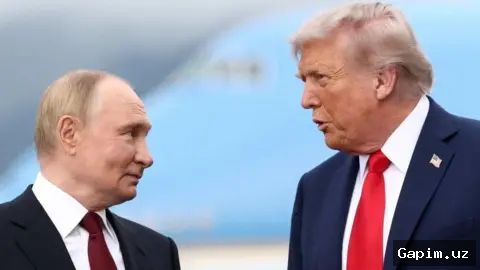
Zelensky quickly condemned the trajectory of events, telling NBC News that aligning with Russian leadership would represent a "historic mistake" and expressing concern that the US administration might lift additional restrictive measures. Conversely, Russian envoy Kirill Dmitriev welcomed the move as an "important and truly historic moment," asserting that the congressional-backed sanctions would have inflicted severe damage on global markets. US Secretary of State Marco Rubio framed the suspension as a deliberate 60-day pause intended to evaluate the policy's potential fallout on domestic and global economies.
Diplomatic friction between Washington and Kyiv escalated sharply following a controversial arrangement by the US to import Russian diesel, a move heavily criticized by Ukraine and its European allies as a form of indirect economic support for Moscow's military efforts. Further straining the alliance were reported disruptions to Starlink satellite terminals utilized by Ukrainian forces, alongside accusations that Washington had curtailed the sharing of crucial defense intelligence—allegations which Trump has publicly denied while simultaneously criticizing Zelensky's commitment to peace.
The unfolding diplomatic crisis highlights growing friction within the Western coalition as the US regime recalibrates its foreign policy approach. Trump publicly asserted that Zelensky allegedly has no genuine desire to end the conflict and missed opportunities for better diplomatic resolutions in the past. As mutual accusations persist over ongoing military strikes and energy policies, the future stability of transatlantic cooperation remains increasingly uncertain.
Source: www.bbc.co.uk